The Efficiency of the Indoor Herb Garden
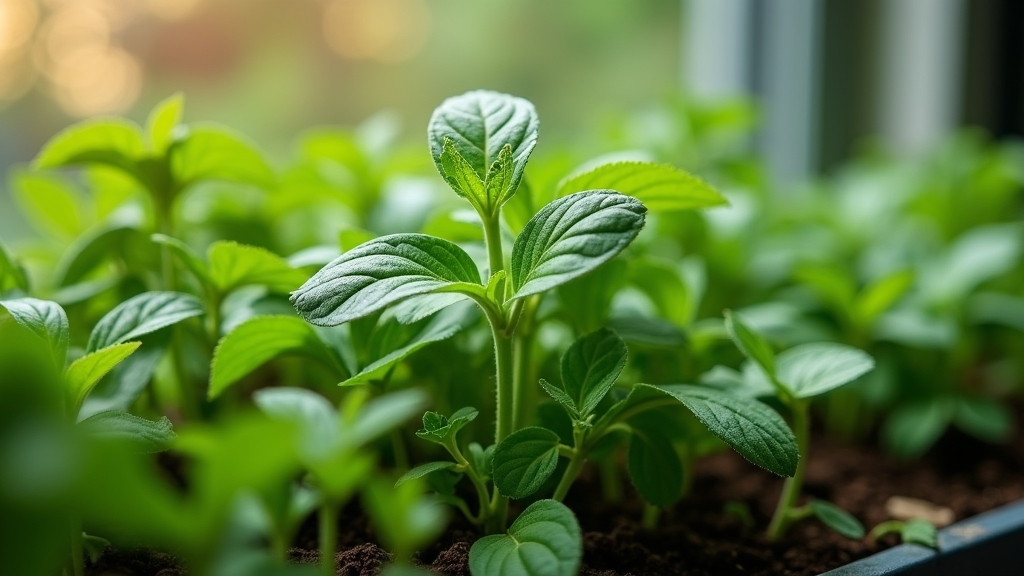
In most homes, the kitchen windowsill is viewed as a decorative space, but from an energy efficiency perspective, it is a prime location for a high-yield, low-impact food source. Growing herbs indoors reduces your carbon footprint by eliminating the 'food miles' associated with store-bought produce and significantly cuts down on plastic packaging waste. However, what I have found is that many homeowners struggle to maintain these plants because they treat indoor gardening exactly like outdoor gardening. The key thing to remember is that an indoor environment is a controlled microclimate, and your success depends on how well you manage variables like light, humidity, and drainage.
Essential Tools and Materials
To build a productive herb garden without wasting money on ineffective kits, focus on these specific components:
- Pots with Drainage: Avoid 'self-watering' pots for most herbs. I recommend terracotta for Mediterranean herbs (rosemary, thyme, oregano) because it allows the soil to breathe.
- Premium Potting Mix: Never use garden soil. It is too dense for containers and often harbors pests. Look for a mix containing peat moss or coconut coir, perlite, and vermiculite.
- Full-Spectrum LED Grow Lights: In my experience, even south-facing windows rarely provide the 6-8 hours of intense light herbs need. Modern LEDs are highly energy-efficient, drawing minimal power while providing the specific blue and red light waves required for photosynthesis.
- Liquid Seaweed or Organic Fertilizer: Indoor plants have limited access to nutrients. A diluted organic fertilizer is necessary for sustained growth.
- A Small Fan: One thing many people overlook is air circulation. A tiny USB fan can prevent fungal issues and strengthen plant stems.
Preparation: The 'Right Plant, Right Place' Strategy
Before you plant a single seed, you must evaluate your indoor environment. A common situation is a homeowner trying to grow sun-loving basil in a drafty, north-facing laundry room. It will fail every time.
Light Assessment
The real issue usually is light intensity, not just duration. Use a light meter app on your smartphone to check your intended spot. Herbs like basil and rosemary need at least 1,000 foot-candles of light. If your window doesn't hit this, you must supplement with high-efficiency LEDs to prevent 'leggy' growth where the plant stretches and weakens.
Temperature and Humidity
Most culinary herbs thrive between 60°F and 75°F. From experience, the biggest threat is the temperature fluctuation near windows. In winter, the glass can be significantly colder than the room, causing root shock. Move pots a few inches back from the glass during cold snaps to maintain a stable environment.
Step-by-Step Instructions for Planting
- Select Your Method: Starting from seed is cost-effective but slow. For beginners, what works best is purchasing 'starter plants' from a local nursery—not the grocery store, as grocery herbs are often overcrowded and designed for immediate consumption, not long-term growth.
- Prepare the Containers: Ensure your pots have at least one large drainage hole. If you use a saucer, place a layer of pebbles in it so the pot sits above any drained water. This prevents 'wet feet' and root rot.
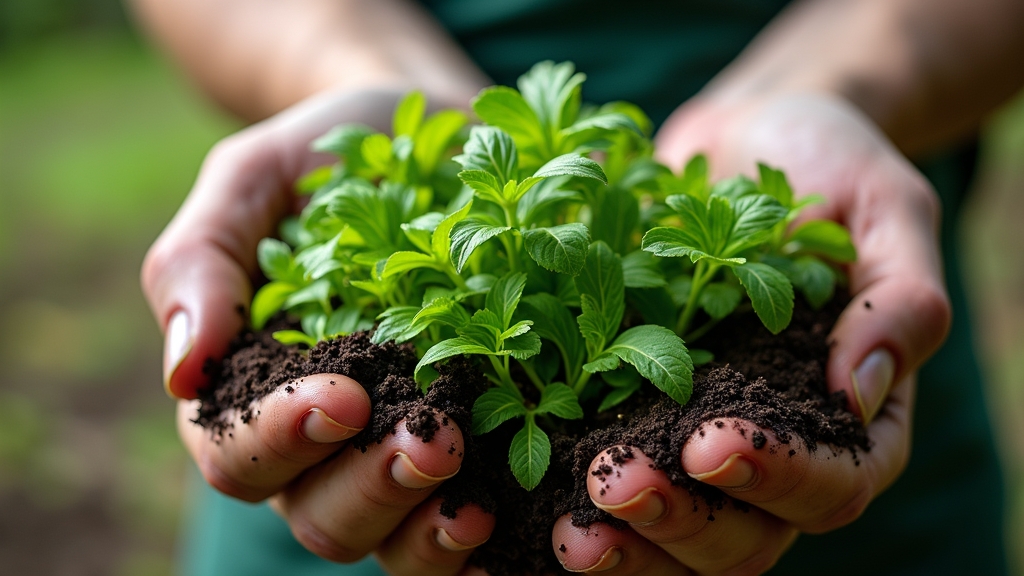
- Potting: Fill the pot 2/3 full with potting mix. Gently loosen the roots of your starter plant. Place it in the center and fill the gaps, tamping down lightly. Do not bury the stem deeper than it was in its original container.
- Initial Watering: Water thoroughly until it runs out the bottom. This settles the soil and eliminates air pockets around the roots.
- Acclimation: Don't blast a new plant with 12 hours of grow lights immediately. Give it two days in indirect light to recover from the stress of repotting.
Common Mistakes and Lessons Learned
Mistake 1: Overwatering (The #1 Herb Killer)
The real issue usually is that people water on a schedule (e.g., 'every Monday') rather than when the plant needs it. Over the years, I have learned that more indoor plants die from kindness than neglect. Stick your finger two inches into the soil; if it feels damp, do not water. Mediterranean herbs actually prefer to dry out almost completely between waterings.
Mistake 2: Insufficient Light Duration
In most homes, people assume a bright room is enough. It isn't. Herbs need direct, intense light. If you notice your plants leaning toward the window, they are 'starving' for energy. Rotate the pots 90 degrees every few days to ensure even growth, or invest in a timer-controlled LED setup for consistent 12-hour cycles.
Mistake 3: Poor Air Circulation
Indoor air is often stagnant. This leads to powdery mildew and attracts spider mites. From experience, simply opening a window (weather permitting) or running a low-energy fan for two hours a day can increase your success rate by 50%.
Mistake 4: Harvesting Too Much or Too Little
One thing many people overlook is the 'one-third rule.' Never harvest more than 33% of the plant at once. Conversely, if you don't harvest at all, the plant will become 'woody' and stop producing the tender, flavorful leaves you want. Regular pinching of the tops encourages bushier growth.
Energy-Saving Tips for Your Indoor Garden
As an energy efficiency advisor, I always look for ways to minimize the impact of home systems. To keep your herb garden green in both senses:
- Use Timers: Don't leave grow lights on 24/7. Use a mechanical or smart timer to limit usage to 12-14 hours.
- Reflective Surfaces: Place a white board or a mirror behind your plants. This reflects light back onto the foliage, increasing the light efficiency without increasing your utility bill.
- Group Plants Together: Grouping creates a localized zone of higher humidity through transpiration, reducing the need for electric humidifiers.
Troubleshooting Common Issues
Yellowing Leaves
This is typically a sign of nitrogen deficiency or overwatering. If the soil is dry, add a diluted organic fertilizer. If it's wet, let it dry out completely and check that your drainage holes aren't clogged.
Sticky Residue on Leaves
This is 'honeydew,' a sign of aphids or scale. What works best is a simple solution of water and a few drops of organic castile soap. Spray the leaves, including the undersides, and wipe them clean.
Small, Pale Leaves
The plant is likely light-starved. If you cannot provide more sun, move the plant closer to your LED light source. Most LEDs are 'cool' enough that they won't burn the leaves even at a distance of 4-6 inches.