{ "title": "Lawn Care Basics: A Permanent Guide to Healthy Grass", "slug": "lawn-care-basics-healthy-grass-guide", "excerpt": "Learn how to achieve a healthy lawn with our comprehensive guide to grass maintenance. Discover root causes of lawn issues and long-term, sustainable solutions.", "content": "
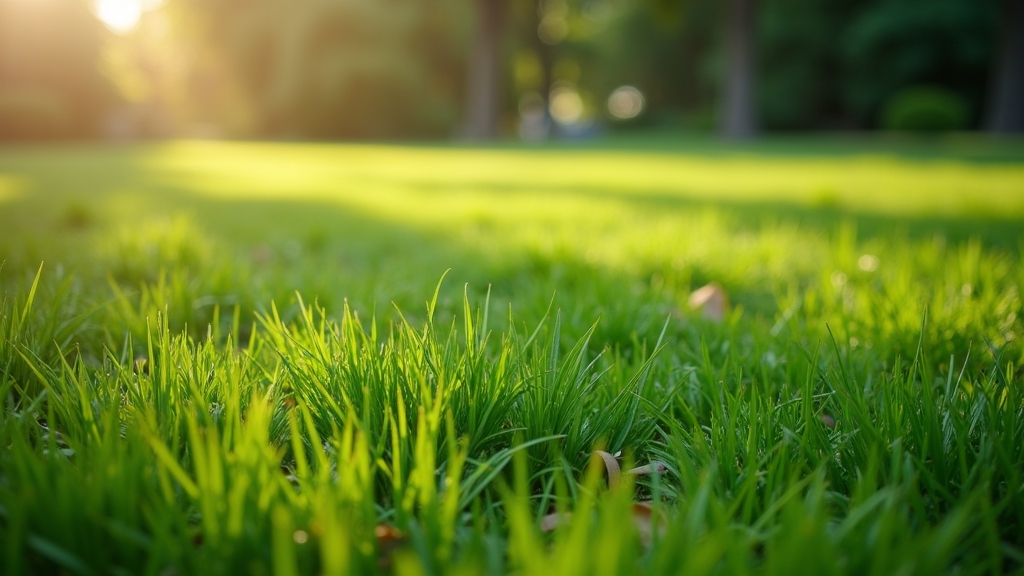
A lush, green lawn is a point of pride for many homeowners. However, maintaining that vibrant carpet often feels like an uphill battle against weeds, brown patches, and rising water bills. In most homes, the approach to lawn care is reactive rather than proactive. People tend to treat symptoms, like yellowing grass, instead of addressing the foundational health of the soil. From experience, I have found that a healthy lawn requires less water, fewer chemicals, and less overall effort when you focus on long-term sustainability rather than quick fixes.
The Root Causes of Lawn Problems
The real issue usually is not the grass itself, but the environment in which it grows. When homeowners struggle with grass maintenance, it often stems from one of three structural issues: soil compaction, poor drainage, or incorrect grass species selection.
Soil Compaction
Over time, the soil under your lawn becomes packed down from foot traffic and heavy equipment. One thing many people overlook is how compacted soil prevents oxygen, water, and nutrients from reaching the roots. If the roots cannot breathe, the grass becomes stunted and vulnerable to disease. Over the years, I have learned that even the best fertilizer cannot fix a lawn sitting on concrete-hard dirt.
Nutrient Depletion
Lawn care often fails because the soil chemistry is out of balance. Most people apply a generic 10-10-10 fertilizer without knowing what their soil actually needs. A common situation is a lawn with a pH level that is too acidic or too alkaline. When the pH is off, the grass cannot absorb nutrients, regardless of how much fertilizer you apply. This leads to wasted money and environmental runoff into local waterways.
Species Mismatch
What works best is choosing grass that fits your climate. Many homeowners try to grow cool-season grasses in hot, arid regions or vice versa. This creates a permanent state of stress for the plant. If your grass is not suited for your local zone, it will require excessive watering and chemical interventions just to survive.
Immediate Steps for Improvement
If your lawn is currently struggling, you can take several immediate steps to stabilize the situation before moving into a long-term maintenance cycle.
Adjust Your Mowing Height
The key thing to remember is that taller grass leads to deeper roots. Set your mower blades to at least 3 or 3.5 inches. Short grass exposes the soil to more sunlight, which evaporates moisture quickly and encourages weed seeds to germinate. In my experience, simply raising the mower height can reduce watering needs by up to 20%.
Smart Watering Habits
Stop watering your lawn every day for ten minutes. This shallow watering encourages shallow root systems. Instead, water deeply and infrequently. Aim for about one inch of water per week, delivered in one or two sessions. This forces the roots to grow deeper into the soil to find moisture, making the lawn more drought-resistant. You can measure this by placing a small tuna can in the yard; once it is full, you have provided enough water.
Spot Treat, Don't Broadcast
Instead of applying weed killer to the entire lawn, target only the problem areas. Overusing herbicides can stress the healthy grass and kill beneficial soil organisms. A manual weeding tool is often more effective for occasional dandelions than a chemical spray.
Long-Term Prevention Strategies
To achieve a truly healthy lawn that lasts, you must shift your focus to soil health and biological diversity. These strategies require an initial investment of time but pay off in reduced utility bills and lower maintenance costs.
Core Aeration
What I have found is that annual core aeration is the single best thing you can do for a lawn. An aerator removes small plugs of soil, allowing the ground to \"breathe.\" This process breaks up compaction and allows water and fertilizer to reach the root zone directly. For best results, perform this in the fall for cool-season grasses or late spring for warm-season varieties.
Top-Dressing with Compost
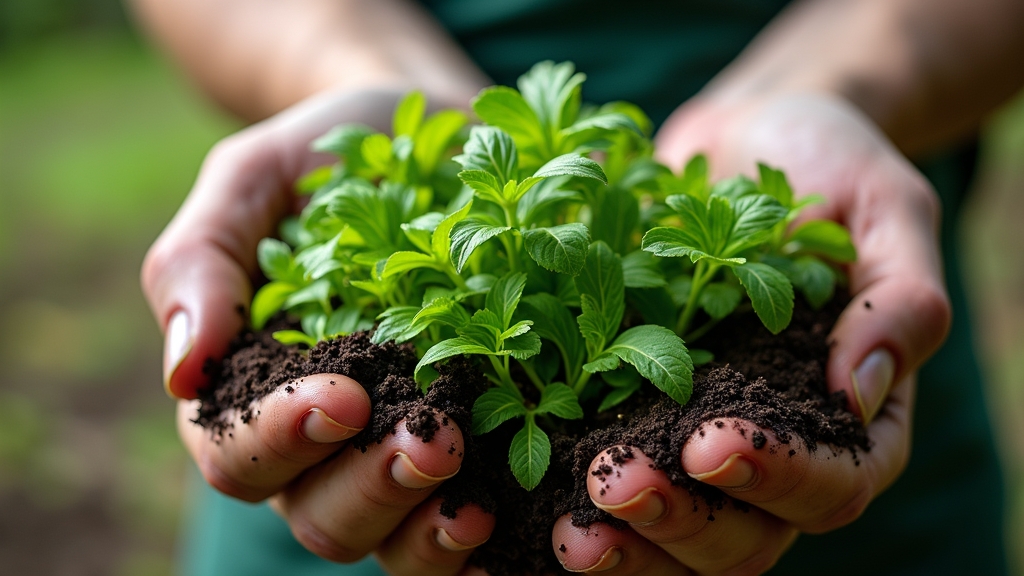
After aerating, spread a thin layer (about 1/4 inch) of high-quality compost over the lawn. This introduces organic matter and beneficial microbes back into the soil. Over time, this improves soil structure and water retention. In my experience, homes that top-dress regularly rarely need synthetic fertilizers because the soil becomes a self-sustaining ecosystem.
Overseeding for Density
A thick lawn is the best defense against weeds. Each year, spread fresh grass seed over your existing lawn. This fills in thinning areas and introduces newer, more disease-resistant grass varieties. When the grass is dense, there is no room for weeds like crabgrass to take hold. Use a slice seeder for better seed-to-soil contact if you have large bare patches.
Grasscycling
Stop bagging your grass clippings. Leave them on the lawn to decompose. These clippings are rich in nitrogen and can provide up to 25% of your lawn's total fertilizer needs for the year. This not only saves you work but also keeps organic waste out of landfills.
When to Call a Professional
While most lawn care basics can be handled by the homeowner, certain situations require professional expertise. If you notice large areas of dead grass that do not respond to watering, you may have a grub infestation or a fungal disease that requires a specific diagnosis. Additionally, if you need to install a large-scale irrigation system, hiring a professional ensures that the system is calibrated for maximum water efficiency, preventing high utility bills in the future.
The Sustainable Path Forward
A healthy lawn is not achieved overnight with a "miracle" product. It is the result of consistent, science-based habits. By focusing on soil health, proper mowing, and deep watering, you create an environment where grass can thrive naturally. This approach is better for your wallet, your property value, and the environment.
", "tags": ["lawn care", "grass maintenance", "healthy lawn", "soil health"], "readTime": 8, "metaTitle": "Lawn Care Basics: Expert Guide to Grass Maintenance", "metaDescription": "Discover sustainable lawn care basics for a healthy lawn. Learn how to fix soil issues, optimize watering, and reduce maintenance costs effectively.", "focusKeyword": "lawn care", "faqs": [ { "question": "How often should I really water my lawn?", "answer": "What works best is watering deeply once or twice a week, providing a total of one inch of water. Avoid daily light sprinkling, as it creates weak, shallow roots." }, { "question": "When is the best time to fertilize?", "answer": "In my experience, the best time is during the active growing season. For cool-season grasses, fall is the most important time. For warm-season grasses, late spring and summer are ideal." }, { "question": "Do I really need to aerate every year?", "answer": "If you have heavy clay soil or high foot traffic, annual aeration is a must. For lighter, sandy soils, you can often go two to three years between sessions." }, { "question": "How do I get rid of weeds without killing my grass?", "answer": "The most permanent fix is to maintain a thick, tall lawn (3+ inches) that shades out weed seeds. For existing weeds, spot-treat with a targeted herbicide or pull them manually to avoid harming the surrounding grass." } ], "tableOfContents": [ { "id": "the-root-causes-of-lawn-problems", "title": "The Root Causes of Lawn Problems", "level": 2 }, { "id": "soil-compaction", "title": "Soil Compaction", "level": 3 }, { "id": "nutrient-depletion", "title": "Nutrient Depletion", "level": 3 }, { "id": "species-mismatch", "title": "Species Mismatch", "level": 3 }, { "id": "immediate-steps-for-improvement", "title": "Immediate Steps for Improvement", "level": 2 }, { "id": "adjust-your-mowing-height", "title": "Adjust Your Mowing Height", "level": 3 }, { "id": "smart-watering-habits", "title": "Smart Watering Habits", "level": 3 }, { "id": "spot-treat-dont-broadcast", "title": "Spot Treat, Don't Broadcast", "level": 3 }, { "id": "long-term-prevention-strategies", "title": "Long-Term Prevention Strategies", "level": 2 }, { "id": "core-aeration", "title": "Core Aeration", "level": 3 }, { "id": "top-dressing-with-compost", "title": "Top-Dressing with Compost", "level": 3 }, { "id": "overseeding-for-density", "title": "Overseeding for Density", "level": 3 }, { "id": "grasscycling", "title": "Grasscycling", "level": 3 }, { "id": "when-to-call-a-professional", "title": "When to Call a Professional", "level": 2 } ] }