The Foundation of a Healthy Lawn
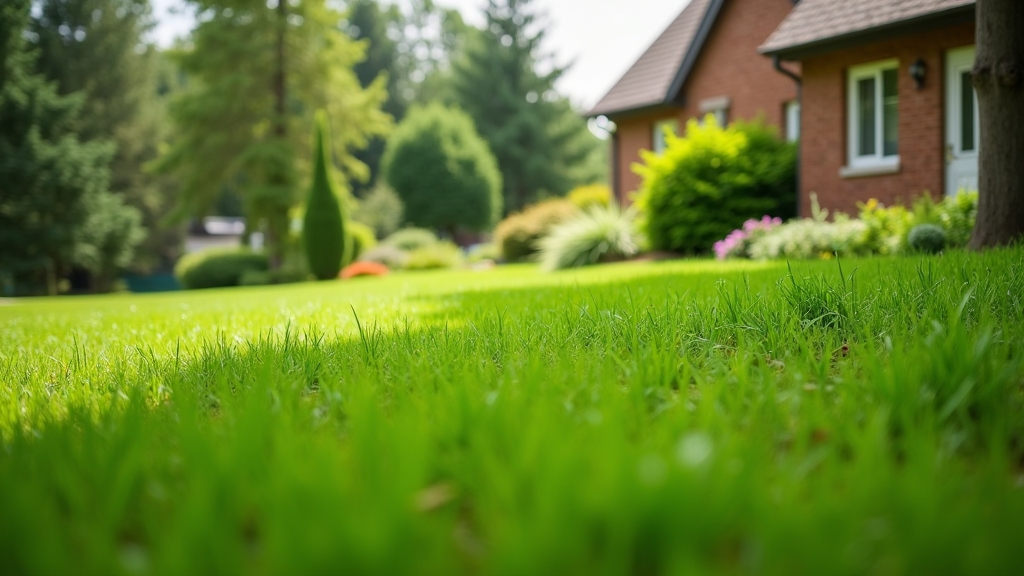
In my years of consulting on home renovations, I have seen that the lawn is often the most underrated element of a property's curb appeal. A lush, vibrant green space does more than just frame your house; it provides a soft place for kids to play and significantly increases the perceived value of your home. However, achieving that 'golf course' look requires more than just luck. It requires a fundamental understanding of grass maintenance and a decision on how much of your own sweat equity you are willing to invest.
Maintaining a healthy lawn involves a cycle of tasks that change with the seasons. From aeration and overseeding to consistent mowing and fertilization, the workload is significant. The big question every homeowner faces is whether to tackle these tasks personally or hand the keys over to a professional crew. Both paths can lead to a beautiful yard, but they require different levels of commitment, knowledge, and financial investment. Small details matter here, and your decision should be based on your lifestyle and the specific needs of your soil.
Taking the DIY Approach: Hands-On Grass Maintenance
There is a specific kind of satisfaction that comes from looking out at a lawn you groomed yourself. For many homeowners, DIY lawn care is a hobby that provides a break from the digital world. When you take the DIY route, you are in total control of the process. You decide exactly when to mow, which nutrients to apply, and how much water to use. This path requires you to become a bit of a weekend scientist. You will need to learn about soil pH levels, the specific grass species in your yard, and the life cycles of common local pests.
Pros of DIY Lawn Care
The primary benefit of doing it yourself is the cost savings on labor. While you have to buy the tools and materials, you aren't paying for a company’s overhead or profit margins. Additionally, you can respond to issues immediately. If you notice a patch of fungus starting on a Tuesday, you can treat it that afternoon rather than waiting for a scheduled visit. You also have the flexibility to mow at the optimal time—usually in the early evening when the sun isn't scorching the fresh cuts. Trust your instincts on this one; if the grass looks stressed, you can choose to skip a week of mowing to let it recover, a nuance a busy professional crew might overlook.
Cons of DIY Lawn Care
The biggest hurdle is the learning curve and the initial equipment cost. You need a reliable mower, a spreader, a trimmer, and potentially specialized tools like an aerator or a power rake. Storage is another factor; these tools take up significant space in a garage or shed. Beyond the physical tools, the time commitment is substantial. A typical quarter-acre lot can easily eat up three to four hours a week when you include edging and cleanup. If you miss a few weeks due to weather or a busy schedule, the lawn can quickly become overgrown, making it much harder to regain control.
Hiring the Experts: Professional Lawn Services
For those with more budget than time, professional lawn care is an attractive alternative. When you hire a service, you aren't just paying for someone to push a mower; you are paying for their expertise and industrial-grade equipment. Professional crews often use high-capacity mowers that provide a more uniform cut than residential models. They also have access to higher-quality fertilizers and treatments that may not be available at the local big-box store.
Pros of Professional Maintenance
The most obvious advantage is the gift of time. You get your weekends back. Furthermore, professionals are trained to spot problems before they become catastrophes. They can identify a chinch bug infestation or a nitrogen deficiency at a glance. Because they maintain hundreds of lawns in your specific climate, they know exactly when the local pests are most active and when the soil temperature is right for seeding. Consistency is another major plus; your lawn will be serviced on a regular schedule, ensuring it never looks neglected.
Cons of Professional Maintenance
The recurring cost is the most significant drawback. Over a few years, the fees can far exceed the cost of buying your own high-end equipment. There is also a lack of personalization. A crew on a tight schedule might mow your lawn when the ground is too wet, leading to soil compaction or rutting. You also have less control over the specific materials used on your property, which can be a concern if you have specific preferences regarding organic vs. synthetic treatments. It is worth doing right the first time, so if you go this route, you must vet the company thoroughly to ensure they share your standards.
Cost Comparison: Initial Investment vs. Recurring Fees
When we look at the numbers, the DIY approach has a high entry cost but low operating expenses. A decent mower, trimmer, and basic hand tools will likely cost between $800 and $1,500. Annual costs for fertilizer, seed, and fuel might run another $200 to $400 depending on your yard size. In contrast, professional services typically charge by the visit or via a seasonal contract. For a standard lot, you might pay $40 to $70 per mow, plus specialized 'application' visits for fertilization and weed control that can cost $60 to $100 each. Over a five-year period, a professional service will almost always be more expensive, but the value of your saved time must be factored into that equation.
When to Choose DIY and When to Call the Pros
The decision often comes down to the current state of your lawn. If you have a healthy, established lawn that just needs regular 'haircuts' and basic feeding, DIY is a great way to save money and stay active. However, if your lawn is a mess of weeds, bare spots, and drainage issues, it might be better to hire a professional for a 'reset.' They can perform heavy-duty tasks like core aeration and top-dressing more efficiently. Once the lawn is stabilized and healthy, you can always take over the routine maintenance yourself. Take your time with this decision; there is no rule saying you can't switch methods later.
Final Recommendation: Choosing Your Path
I always tell my clients to be honest about their lifestyle. If you enjoy yard work and find it therapeutic, invest in high-quality tools and take the DIY path. It will save you thousands over the long run. However, if you view lawn care as a chore that you dread every Saturday, the professional route is a wise investment in your own happiness and the long-term health of your property. A healthy lawn is a long-term project, not a one-time fix. Whichever path you choose, the key is consistency. Grass is a living organism that thrives on a regular routine of water, nutrients, and proper cutting heights. Start with a simple plan and adjust as you see how the environment responds.