The Shift Toward Water-Wise Landscaping
In over a decade of designing outdoor spaces, I have witnessed a significant shift in how homeowners view their yards. The lush, thirsty lawn is no longer the gold standard. Instead, xeriscaping—the practice of designing landscapes to reduce or eliminate the need for irrigation—has taken center stage. A well-executed rock garden is the cornerstone of this movement. It combines the raw, sculptural beauty of natural stone with drought-tolerant plants to create a resilient ecosystem that thrives with minimal intervention.
However, the most common question I encounter isn't about which plants to use, but rather: 'Can I do this myself, or do I need a pro?' Creating a rock landscaping project involves more than just scattering stones and sticking a few succulents in the ground. It requires an understanding of drainage, soil composition, and local ecology. This guide will break down the nuances of the DIY approach versus hiring a specialist, helping you determine which path fits your vision and your physical capabilities.
Understanding the DIY Approach
The DIY route is for the homeowner who finds joy in the process. It is a labor-intensive journey that allows you to connect intimately with your land. When you take your time with a project like this, you begin to notice how the sun hits certain corners at noon or where water naturally pools after a heavy rain. These small details matter here, and observing them is the first step toward a successful water-wise garden.
The Scope of DIY Projects
DIY is best suited for small to medium-sized areas, such as a front entry garden, a corner accent, or a parkway strip. If you are working with a relatively flat terrain and a manageable footprint, the learning curve is steep but rewarding. You will be responsible for sourcing materials, prepping the site, and the physically demanding task of moving several tons of rock. It is worth doing right the first time, so if you choose this path, be prepared for a multi-weekend commitment.
The Professional Perspective
Hiring a professional landscaping specialist brings a level of precision and heavy-duty capability that is difficult to replicate. Professionals handle the 'invisible' aspects of landscaping that often trip up amateurs—primarily grading and drainage. A rock garden that doesn't drain properly becomes a basin for stagnant water, which can rot the roots of drought-tolerant plants and even damage your home's foundation.
When Expertise is Non-Negotiable
Professional intervention is necessary for large-scale transformations, steep slopes, or areas with significant drainage issues. Specialists have access to heavy machinery, such as skid steers and mini-excavators, which allow for the placement of large 'feature' boulders that weigh several hundred pounds. These boulders provide the structural backbone of a rock garden, but they are nearly impossible to move safely without the right equipment.
Detailed Pros and Cons
DIY: The Hands-On Experience
- Pros: Significant cost savings on labor, complete creative control, and the personal satisfaction of building something lasting. You can work at your own pace and adjust the design as you go.
- Cons: High physical demand, risk of injury, and potential for costly mistakes in drainage or plant selection. DIYers often underestimate the volume of material needed, leading to multiple delivery fees.
Professional: The Managed Solution
- Pros: Guaranteed results, efficient timelines, and access to unique materials. Professionals understand the local microclimates and will select plants that are truly native or adapted to your specific zone. They also handle the heavy lifting and waste removal.
- Cons: Higher upfront cost due to labor and overhead. You may have less day-to-day control over the minute details of the installation process.
Cost Comparison: Materials vs. Labor
Understanding the financial commitment is essential. When you DIY, your budget goes almost entirely toward materials: rock, gravel, soil amendments, weed barriers, and plants. Rock is typically sold by the ton, and delivery fees can add up. For a modest DIY rock garden of 200 square feet, you might spend between $1,000 and $2,500 depending on the rarity of the stones and the size of the plants.
A professional installation for the same 200 square feet might cost anywhere from $4,000 to $8,000. This increase accounts for the crew's labor, insurance, equipment rental, and the designer's expertise. While the price is higher, you are paying for the longevity of the installation. A professional rock garden is built to last decades, whereas a DIY project may require reworking if the initial drainage or soil prep was insufficient.
Selecting the Right Elements for Success
Regardless of who installs it, a water-wise garden relies on two pillars: the hardscape and the softscape. Trust your instincts on the aesthetics, but follow the science on the biology.
The Hardscape: Choosing Your Rocks
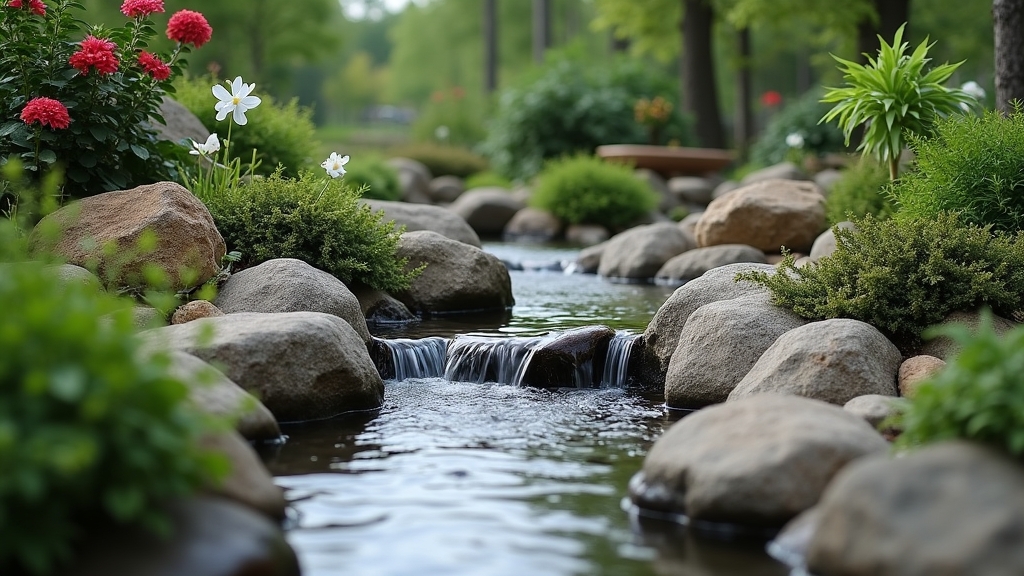
For a natural look, use locally sourced stone. It fits the local landscape and reduces transportation costs. Mix different sizes: large 'anchor' boulders, medium 'accent' stones, and smaller 'in-fill' gravel or river rock. This variation creates depth and mimics the way rocks naturally settle in the wild.
The Softscape: Drought Tolerant Plants
Plants are the lifeblood of the xeriscape. Focus on species that have evolved to thrive in low-water conditions. Look for silver or grey foliage (which often indicates a waxy coating that prevents moisture loss) and deep taproots. Succulents, ornamental grasses, and Mediterranean herbs like lavender or rosemary are excellent choices. Group plants with similar water needs together—a practice known as 'hydro-zoning'—to ensure maximum efficiency.
Best Use Cases for Each Option
Choose DIY If:
- You are working on a small, flat area.
- You have a limited budget but plenty of time.
- You enjoy physical labor and gardening as a hobby.
- The project does not involve complex irrigation or structural retaining walls.
Hire a Professional If:
- The project involves a steep slope or hillside.
- You need to move boulders larger than 18 inches.
- You have existing drainage issues on your property.
- You want a 'turnkey' solution with a warranty on the plants and workmanship.
Final Recommendation
If you are new to landscaping, I recommend a hybrid approach. Hire a professional to handle the heavy grading and the placement of large boulders. Once the structural 'bones' of the garden are set, you can take over the planting and the spreading of the decorative gravel. This ensures the technical aspects are sound while allowing you to save on labor and put your personal touch on the final aesthetic. It is worth doing right the first time, as fixing a poorly drained rock garden often costs more than the original installation.