In most homes I’ve managed over the last twenty years, the sight of moss in a backyard is usually met with a heavy sigh from the homeowner. They see a velvet-green carpet and think they have a ‘weed’ problem. But from experience, I can tell you that moss isn't the problem; it’s a messenger. It is telling you that your soil is struggling and your grass is losing the battle for survival. What I have found is that most people spend hundreds of dollars on chemical moss killers every spring, only to see the moss return by autumn. That is a classic band-aid fix.
To truly manage moss in shady lawns, you have to stop fighting the moss and start fixing the environment that allows it to thrive. Moss is an opportunist. It doesn't ‘kill’ grass; it simply moves in when the grass has already checked out due to poor conditions. If you want a permanent solution, you need to address the underlying issues of soil health, light, and moisture.
The Root Causes of Lawn Moss
The real issue usually is a combination of four factors: low light, excessive moisture, acidic soil, and soil compaction. When these four elements align, grass stands no chance, and moss feels right at home. In my experience, homeowners often focus on just one of these, but a comprehensive fix requires looking at the whole picture.
Low Light and Deep Shade
Grass is a solar-powered plant. Without at least four to six hours of filtered sunlight, most standard turf grasses will thin out. Once the grass canopy disappears, moss—which is perfectly happy in low-light environments—takes over the vacant real estate. A common situation is seeing moss thrive under a dense canopy of old maple or oak trees where the grass has long since given up.
Poor Soil Drainage
One thing many people overlook is how water moves (or doesn't move) through their yard. Moss loves a damp environment. If your lawn stays squishy for days after a rain, you have a drainage issue. Over the years, I have learned that surface-level dampness is often caused by heavy clay soil that acts like a bathtub, holding water right at the root zone where grass roots end up drowning.
Soil Compaction and Acidity
Compacted soil lacks the air pockets necessary for grass roots to breathe. Moss, however, doesn't have true roots; it has tiny filaments called rhizoids that can cling to even the hardest, most compacted surfaces. Furthermore, moss thrives in acidic soil (low pH), whereas most lawn grasses prefer a more neutral pH. If your soil is too acidic, the grass cannot efficiently take up nutrients, leading to the thinning that invites moss in.
Immediate Steps for Moss Removal
While we are focusing on long-term fixes, you do need to clear the slate before you can rebuild. But remember: physical removal is only the beginning.
What works best is a physical dethatching or power-raking in the early spring or early fall. You can use an iron-based moss killer to turn the moss black and brittle, making it easier to rake away. However, don't just leave the bare spots. Bare soil is an invitation for more moss or invasive weeds. Once you've cleared the moss, you have a very short window to address the soil conditions before the moss returns.
Long-Term Prevention Strategies
The key thing to remember is that you are trying to make the environment hostile for moss and hospitable for grass. This requires a multi-pronged approach that targets the soil's physical and chemical structure.
Regular Lawn Aeration
If I could recommend only one maintenance task for a moss-prone lawn, it would be lawn aeration. Specifically, core aeration. This process involves a machine that pulls small plugs of soil out of the ground. This does two things: it relieves compaction and allows oxygen, water, and nutrients to reach the grass roots. From my experience managing dozens of properties, an annual aeration in the fall can do more for a lawn than five years of chemical treatments. It breaks that ‘bathtub’ effect of clay soil and encourages deep root growth.
Improving Soil Drainage
If aeration isn't enough to solve your moisture issues, you may need to look at more aggressive soil drainage solutions. This might mean installing a French drain if you have a recurring puddle, or simply top-dressing your lawn with a layer of sand and organic compost after aeration. This mixture works its way into the aeration holes, permanently changing the soil structure to be more porous.
Choosing the Right Shade Grass
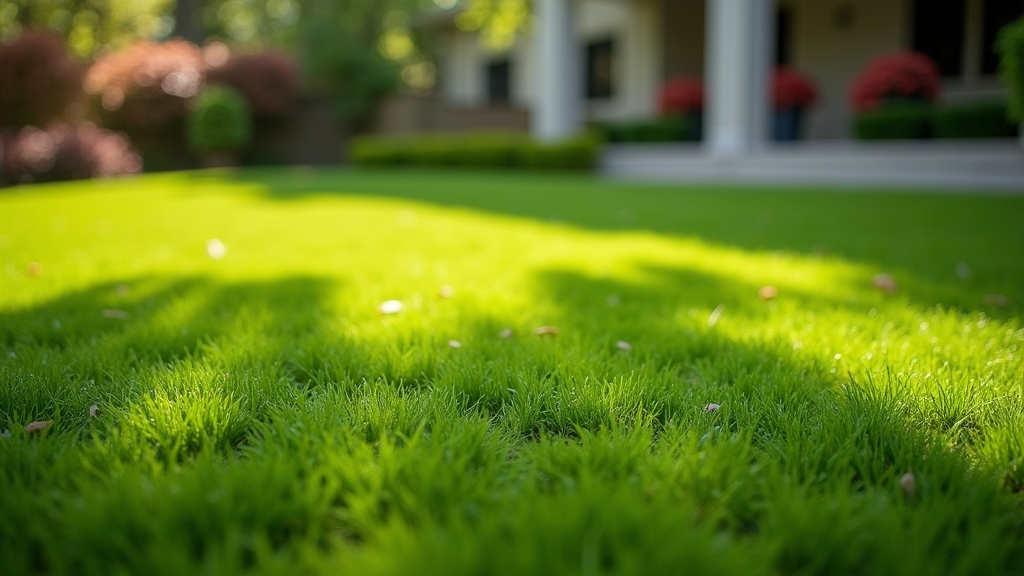
One of the biggest mistakes I see is homeowners buying the same ‘Sun & Shade’ mix from a big-box store year after year. The grass in those bags is often 80% sun-loving varieties that will die in six months in a shady corner. You need a dedicated shade grass. Fine fescues (like Creeping Red Fescue or Chewings Fescue) are the gold standard for shady areas. They are drought-tolerant and can survive on much less light than Kentucky Bluegrass. What I have found is that mixing these with a little Rough Bluegrass (Poa trivialis) for the dampest spots creates a much more resilient lawn.
Managing Light Levels
Sometimes the solution isn't in the ground, but in the air. Thinning the canopy of your trees can make a world of difference. You don't necessarily need to cut down trees; a professional arborist can ‘limb up’ or thin the interior branches to allow dappled sunlight to reach the ground. Increasing the light by even 20% can be the tipping point that allows grass to out-compete the moss.
When to Call a Professional
Over the years, I have learned that some lawns are simply not meant to be lawns. If you have tried aeration, soil testing, and shade-tolerant seed, and the moss still wins, it’s time to call in a professional landscaper—or a pro property manager’s perspective. Sometimes the ‘permanent fix’ isn't grass at all; it’s a shade-loving groundcover like Pachysandra or Vinca, or perhaps a beautiful mulch bed with Hostas. If the shade is 100% and the drainage is naturally poor (like at the bottom of a slope), fighting for grass is a losing battle and a waste of money.
Additionally, if you need to install a complex drainage system or require significant tree work, hiring a pro is safer and more effective than a DIY attempt that might fail after the first heavy storm.
Final Thoughts
Managing moss is about playing the long game. Don't be seduced by products that promise to ‘kill moss in 24 hours.’ They will, but they won't keep it away. Focus on your lawn aeration, fix your soil drainage, and choose the right shade grass. If you take care of the soil, the grass will take care of the moss for you.