After thirty years in the home building and renovation industry, I’ve seen thousands of yards and gardens. If there is one thing I’ve learned, it’s that the finishing touches—the stuff that happens after the foundation is poured and the siding is up—are what truly make a house a home. One of the most underrated yet vital components of a healthy landscape is mulching.
Now, I’m not just talking about throwing some wood chips around for color. Properly applied garden mulch serves as a protective blanket for your soil, a weed suppressant, and a moisture regulator. But here is the thing: many homeowners jump into this project without a plan, only to find themselves with a sore back and a half-finished yard. This is where it gets interesting—deciding whether to roll up your sleeves for a DIY weekend or call in the professionals. Let’s break down everything you need to know about mulch types, techniques, and the real cost of labor.
The Vital Role of Mulching
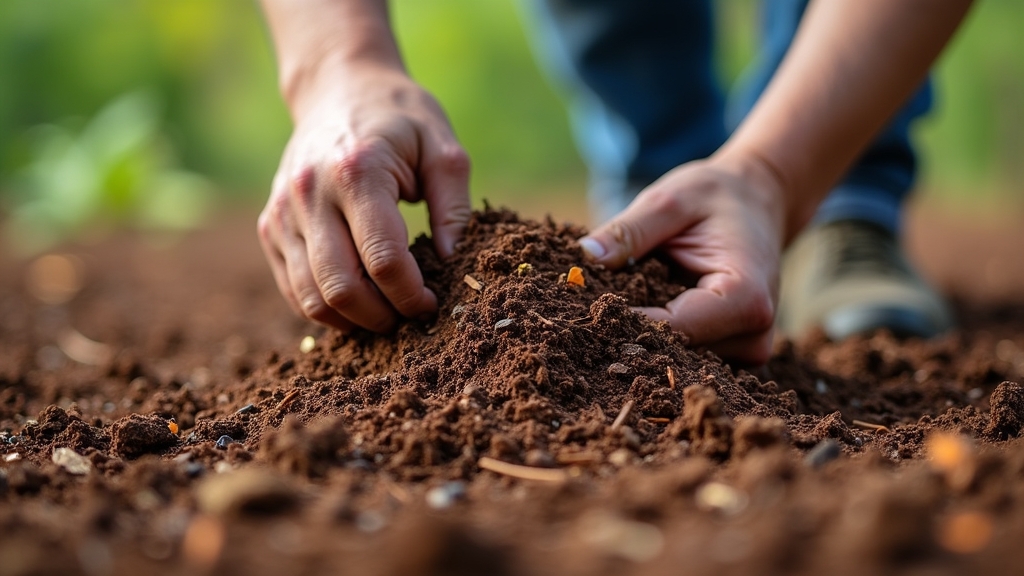
Before we get into the who-does-the-work part, we need to understand why we do it. Mulching isn’t just for aesthetics. It mimics the natural forest floor, where leaves and debris break down to feed the soil. What most people miss is that mulch acts as an insulator; it keeps the roots cool in the scorching summer heat and warm when the frost starts to bite.
Key Benefits of Garden Mulch
- Moisture Retention: Mulch prevents evaporation, meaning you spend less on your water bill.
- Weed Suppression: A thick layer of mulch blocks sunlight from reaching weed seeds.
- Soil Health: Organic mulches break down over time, adding nutrients back into the dirt.
- Erosion Control: It keeps your topsoil from washing away during heavy rain.
Understanding Mulch Types
Choosing the right material is the first hurdle. Not all mulch is created equal, and as a contractor, I’ve seen people use the wrong stuff in the wrong places. The good news is that you have plenty of options depending on your goals.
Organic Mulch
These materials were once living and will eventually decompose. Hardwood mulch is the industry standard—it stays in place well and looks great. Cedar mulch is another favorite because it naturally repels insects. On the other hand, pine needles (or pine straw) are excellent for acid-loving plants like azaleas, though they don't suppress weeds as effectively as bark.
Inorganic Mulch
Things like river rock, pea gravel, or recycled rubber fall into this category. They don’t provide nutrients, but they last forever. Something to keep in mind: rock mulch can actually heat up your soil in the summer, which might stress out delicate perennials. I usually recommend these for drainage areas or decorative pathways rather than active garden beds.
The DIY Approach: Putting in the Sweat Equity
If you have a small-to-medium yard and a reliable truck, DIY mulching can be a rewarding project. It’s the ultimate weekend warrior task. You head to the local garden center, load up bags, and get to work.
Pros of DIY
- Lower Out-of-Pocket Cost: You aren't paying for a crew's time or a company's overhead.
- Total Control: You decide exactly how thick the layer is and where every piece of mulch lands.
- Physical Exercise: It’s a great way to get moving, provided you have the stamina.
Cons of DIY
- The Logistical Nightmare: Hauling 40 bags of mulch in a sedan is a recipe for a ruined interior.
- Physical Toll: Shoveling and spreading mulch is harder on the joints than most people realize.
- Time Consumption: A professional crew can do in two hours what might take you two full days.
The Professional Approach: Hiring the Experts
Now, the important part: when does it make sense to hire a landscaping contractor? For large properties or complex landscapes with steep slopes, a professional team is often the only way to go.
Pros of Professional Services
- Bulk Pricing: Professionals buy by the cubic yard from wholesalers, which is much cheaper than buying individual bags.
- Specialized Equipment: Many pros use mulch blowers or high-capacity trailers that make the job seamless.
- Edge Definition: A pro won't just throw mulch down; they will spade-edge your beds first, creating that crisp, clean line between the grass and the garden.
Cons of Professional Services
- Scheduling: You are at the mercy of their calendar, which is usually packed in the spring.
- Minimums: Many companies won't show up for a job smaller than 5 or 10 cubic yards.
Cost Comparison: Bags vs. Bulk
Let's talk numbers. This is where most homeowners get a bit of sticker shock. Worth mentioning is that a standard garden bed usually needs about 3 inches of mulch to be effective.
- DIY Bagged: A 2-cubic-foot bag costs roughly $4-$6. To cover 100 square feet at 3 inches deep, you need about 13 bags. That’s roughly $65 for just the material.
- DIY Bulk: A cubic yard (27 cubic feet) usually costs between $30 and $45. However, you’ll likely pay a $50-$100 delivery fee if you don't have a trailer.
- Professional Installation: Expect to pay anywhere from $80 to $120 per cubic yard, which includes the mulch, the delivery, and the labor.
If you have a massive yard requiring 10 cubic yards, the professional route might cost $1,000, while the DIY bulk route might cost $450. You have to ask yourself: is my weekend worth $550? For many, the answer is a resounding yes.
Best Use Cases for Each Option
When to DIY
- Small flower beds or foundation plantings.
- When you want to spread the work out over several weekends.
- If you are on a strict budget and have access to a truck.
When to Hire a Pro
- Initial landscaping for a new construction home.
- Large acreage or heavily wooded lots.
- If you have physical limitations or a high-demand job that leaves little free time.
- When you need professional edging and bed preparation.
Expert Mulching Techniques: Doing it Right
Regardless of who does the work, the technique matters. I’ve seen more trees killed by "mulch volcanoes" than by pests. This is where you pile mulch up against the trunk of the tree. It traps moisture against the bark and causes rot. Instead, use the "donut" method: keep the mulch a few inches away from the trunk or the base of the plant.
Another tip from my years in the field: always weed and water the area *before* you mulch. Mulch is a barrier; if you put it over dry soil, it can actually prevent light rain from reaching the roots. Soak the ground first, then lock that moisture in with your 2-to-3-inch layer of hardwood or cedar.
Final Recommendation
Here is my take after 30 years in the business: If you have a standard suburban lot and you're in decent shape, try the DIY bulk delivery route. It’s the best middle ground between cost and effort. However, if you are looking for that "magazine-ready" look with perfectly edged beds and consistent coverage across a large area, bite the bullet and hire a pro. The time you save is often worth more than the cash you spend.