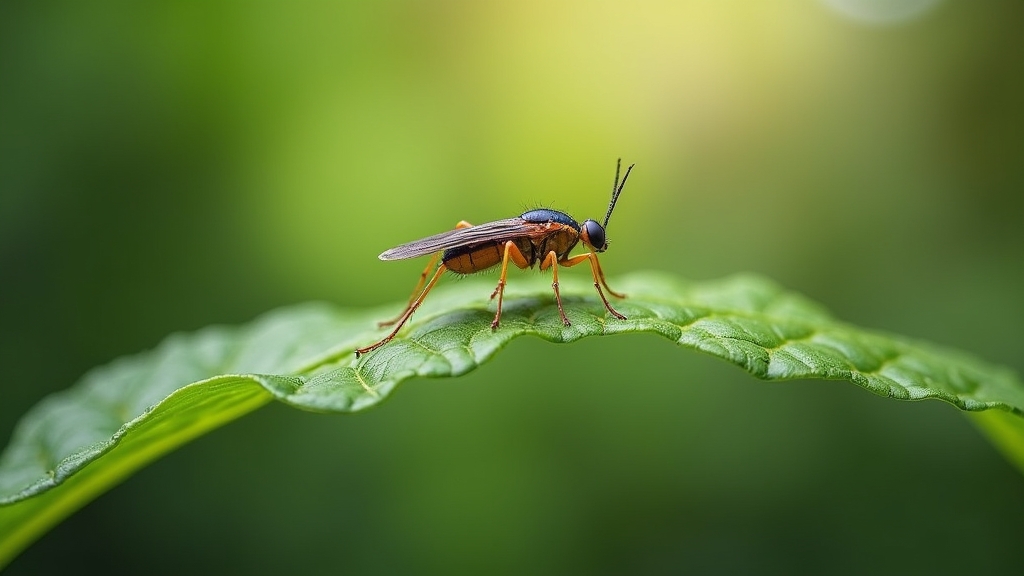
In my thirty years of building and renovating homes, I’ve seen how small issues—like a tiny leak or a hairline crack—can snowball into structural disasters if you only patch the surface. Indoor gardening follows the same logic. When you spot aphids, those pear-shaped sap-suckers clustered on new growth, you aren't just looking at a pest; you're looking at a system failure. Most people reach for a spray bottle, kill the visible bugs, and wonder why they're back two weeks later. The good news is, once you understand the mechanics of how these pests infiltrate and thrive, you can shut the door on them for good.
The Root Causes of Aphid Infestations
To fix a problem permanently, you have to understand the 'why' behind the 'what.' Aphids don't just appear out of thin air; they are introduced, usually through high-traffic vectors or environmental imbalances. What most people miss is that aphids are often brought in on the bottom of a shoe, through an open window screen that isn't tight enough, or, most commonly, on a 'Trojan Horse' plant from a big-box nursery.
Environmental Stressors
Aphids are opportunistic. In the construction world, we know that water follows the path of least resistance; in the garden, pests follow the path of the weakest immune system. High nitrogen levels from over-fertilizing create flush, succulent growth that is essentially an all-you-can-eat buffet for aphids. Furthermore, indoor air that is stagnant and low in humidity weakens the plant’s natural cuticle, making it easier for aphids to pierce the tissue and drain the life out of your greenery.
The Ant Synergy
This is where it gets interesting: If you see ants crawling on your houseplants alongside aphids, you have a secondary infrastructure problem. Ants actually 'farm' aphids for their honeydew—the sticky waste product they excrete. The ants will protect the aphids from natural predators and even carry them to fresh, healthy leaves to expand the colony. If you don't address the ants, your aphid treatment will fail every time.
Immediate Steps for Aphid Treatment
When you find an infestation, you need to act with the precision of a site foreman. Your goal is to break the life cycle immediately. Now, the important part: isolation is your first step. Move the infected plant to a 'quarantine zone'—ideally a room with no other plants and a hard floor that is easy to wipe down.
The Mechanical Blast
Don't start with chemicals. Take the plant to a shower or utility sink and use a steady, firm stream of lukewarm water to physically knock the aphids off the leaves. Focus specifically on the undersides of leaves and the crotches where the stems meet. Aphids are soft-bodied; a decent amount of water pressure is often enough to kill them or at least displace them so they cannot return to the host.
Neem Oil and Insecticidal Soaps
Once the plant is dry, it’s time for aphid treatment using a horticultural-grade neem oil or a potassium-fatty acid soap. Here is the thing about neem oil: it isn't an instant kill. It’s a long-term disruptor. It contains azadirachtin, which mimics the hormones in an aphid’s body, causing them to forget to eat and stop molting. You must coat the entire plant until it is dripping. If you miss a single leaf underside, you’ve left a seed for the next generation.
Long-Term Prevention Strategies
A contractor doesn't just fix a roof; they ensure the drainage system prevents future leaks. To keep your indoor garden care standards high, you need to harden your home against re-entry. Something to keep in mind is that healthy plants are naturally pest-resistant.
Soil Health and Systemic Management
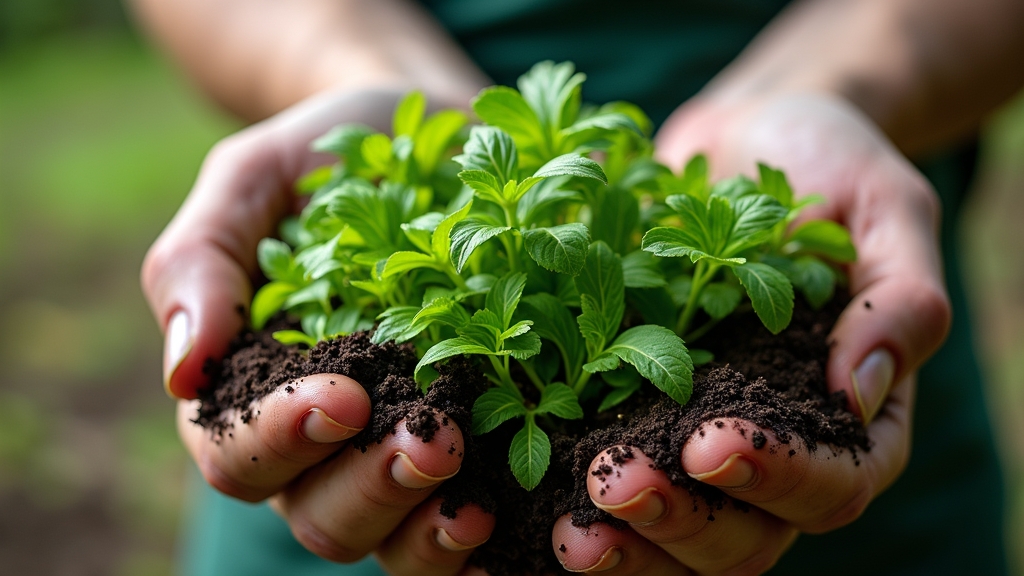
Switch to a high-quality, sterile potting mix and avoid over-supplementing with synthetic nitrogen. Worth mentioning is the use of systemic granules for non-edible plants. These are absorbed by the roots and stay in the plant's vascular system for months. When an aphid bites the plant, it’s game over. While I prefer organic methods, if you have a massive collection and a recurring problem, a systemic approach provides a necessary structural barrier.
Quarantine Protocols
Never, and I mean never, bring a new plant directly into your main collection. Give it a 14-day 'probationary period' in a separate room. During this time, inspect it with a magnifying glass every three days. Aphid eggs are microscopic and can hide in the soil or the rim of the pot. Treat the soil with a light neem drench even if you don't see movement.
When to Call a Professional
In the trades, knowing when you're out of your depth saves money. If you have a true indoor atrium or a greenhouse attached to your home and the infestation has spread to the structure itself (ants in the walls, aphids in the vents), it's time to call an IPM (Integrated Pest Management) specialist. On the other hand, if you find that your 'aphids' are actually scale insects or mealybugs—which have hard shells or waxy coatings—the standard soap treatments won't work, and you might need a more aggressive chemical intervention or a professional-grade steam treatment.