The Frustration of the Vanishing Spring Bloom
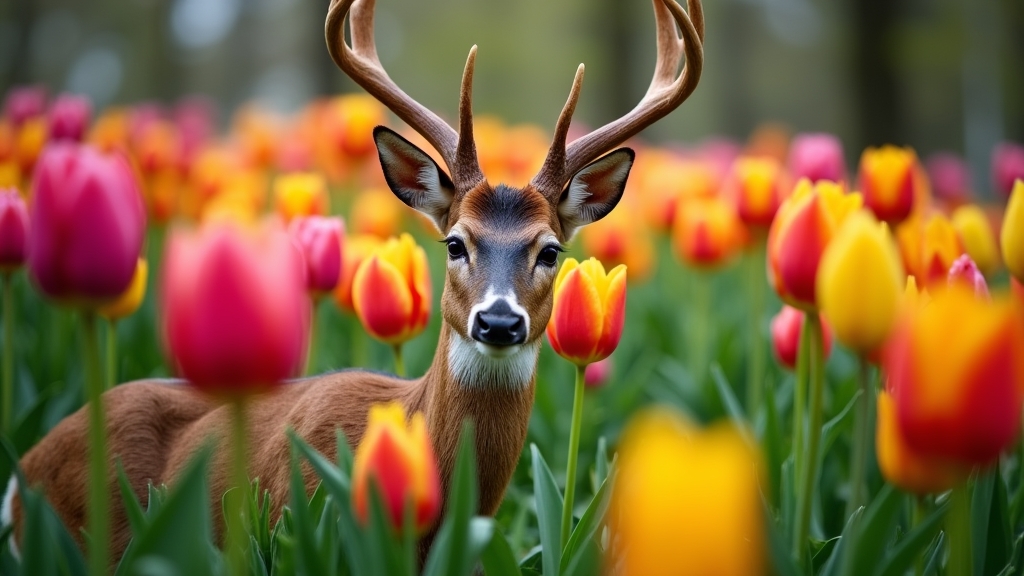
There is a specific kind of heartbreak that only a gardener understands. You spend a chilly autumn afternoon on your knees, digging dozens of holes, tucking away brown, papery promises of spring. You wait through the frost and the snow, and just as the first green shoots of your tulips begin to emerge, they are gone. Overnight, your hard work is reduced to jagged green nubs. After fifteen years of trial and error in my own backyard, I have learned that gardening in deer country isn't about fighting nature; it’s about outsmarting it. Here is the thing: if you want a vibrant spring show, you have to stop planting a buffet and start planting a defense.
Why Deer Target Your Spring Garden
To solve the problem, we first have to understand the root causes of why deer are so obsessed with our yards. In the early spring, food is scarce. The lush, nutrient-dense growth of a garden bulb is often the first high-protein meal available after a long winter of foraging on dry bark and evergreen needles. What most people miss is that deer are incredibly efficient foragers. They aren't just eating because they are hungry; they are looking for the highest caloric reward for the least amount of effort.
The Tulip Dilemma
Tulips are essentially garden candy. They are tender, sweet, and lack any natural chemical defenses. When you plant a massive drift of tulips, you are effectively ringing a dinner bell for every deer within three miles. Now, the important part to remember is that deer have highly evolved olfactory senses. They can smell those emerging shoots long before you even see them popping through the mulch. If your neighborhood has a high deer population, planting unprotected tulips is a gamble you will almost always lose.
Contributing Environmental Factors
Local deer pressure varies based on habitat. If your property borders a wooded lot or a greenway, you are on the frontline. Something to keep in mind is that deer are creatures of habit. Once they find a reliable food source—like your flower beds—they will return to it year after year, often bringing their fawns to teach them exactly where the 'good stuff' grows. This creates a generational cycle of browsing that can be incredibly difficult to break.
Immediate Steps to Protect Your Current Bulbs
If you already have bulbs in the ground and you’re seeing the first signs of browsing, you need to act fast. This is where it gets interesting: physical barriers are almost always more effective than scents or sprays in the short term. If you have a small patch of prized tulips, you can create a temporary cage using hardware cloth or chicken wire. Simply arch the wire over the emerging shoots and pin it to the ground. This prevents the deer from getting their muzzles close enough to the tender growth.
On the other hand, if you have a larger area, you might consider a motion-activated deterrent. These devices use a quick burst of water to startle the animals. It doesn't hurt them, but it breaks their concentration and makes your garden an unpleasant place to hang out. Worth mentioning is that deer are adaptable; if you use the same deterrent every day, they may eventually get used to it. The key is to keep them off balance.
Long-Term Prevention: Selecting Resistant Species
The good news is that you don't have to give up on spring color altogether. The most effective way to have a deer-proof garden is to plant bulbs that deer naturally find offensive. This is the cornerstone of a low-maintenance, beautiful landscape. Many bulbs have evolved internal mechanisms—either toxic alkaloids or pungent scents—that make them unpalatable to wildlife.
The Power of Daffodils
Daffodils are the undisputed kings of the deer-resistant garden. They contain a bitter-tasting alkaloid called lycorine, which is toxic to most mammals. Deer, rabbits, and even squirrels will typically leave them completely alone. From the smallest Tete-a-Tete to the largest trumpet varieties, you can plant these with total confidence. In fifteen years, I have never seen a deer take more than a single, regretful bite of a daffodil.
Alliums: The Ornamental Onion
If you want architectural interest and absolute resistance, look no further than alliums. Because they are members of the onion and garlic family, they have a scent that deer find repulsive. While we might not smell it unless we bruise the foliage, a deer’s nose picks up that sulfurous odor from a distance. They range from tiny drumsticks to massive purple spheres the size of volleyballs, and they bloom later in the spring, bridging the gap between bulbs and perennials.
Fritillaria and Hyacinths
Fritillaria, especially the 'Crown Imperial' variety, has a very distinct, skunk-like odor that acts as a natural repellent. It’s a bold choice for the garden, but highly effective. Hyacinths are another great option. Not only do they have a heavy fragrance that can overwhelm a deer’s senses, but the bulbs themselves contain calcium oxalate crystals, which cause itchiness and irritation. Most animals learn very quickly to stay away.
Strategic Planting Tactics
Building a deer-resistant garden isn't just about what you plant, but how you plant it. One of my favorite tricks is 'interplanting.' By mixing your more vulnerable plants with highly scented or toxic ones, you can camouflage the tasty bits. For example, if you absolutely must have a few tulips, try surrounding them with a thick border of daffodils and alliums. The deer will be deterred by the scent of the outer ring and may never realize there is a treat hidden in the middle.
Another strategy involves the location of your beds. Planting vulnerable species closer to the house, near high-traffic areas, or behind a physical fence is always safer than planting them out by the road or the edge of the woods. Deer are naturally skittish, and they prefer to eat in areas where they have a clear escape route and minimal human interaction.
When to Call a Professional
Sometimes, despite your best efforts, the deer pressure is just too high. If you find that you are losing an entire landscape every year, it might be time to consult a professional garden designer or a fencing contractor. A professional can help you design a comprehensive deer-fencing solution that is both aesthetic and functional. Eight-foot-tall fencing is the gold standard for keeping deer out entirely, but it requires careful installation to look good and meet local codes. Additionally, if you're looking to overhaul a large estate, a landscape architect can help you select a palette of deer-resistant shrubs and trees that complement your bulbs, creating a cohesive, unappetizing environment for the local herd.
Final Thoughts from the Soil
Gardening is a journey of constant learning. It took me a few years of 'tulip heartbreaks' to realize that I was fighting a losing battle against the local wildlife. Once I shifted my focus to the biology of the plants and the behavior of the deer, everything changed. By choosing the right species and using a few tactical planting tricks, you can have a garden that is both beautiful and resilient. Remember, the goal is to enjoy your spring blooms, not to provide a midnight snack for the neighborhood deer.