Understanding the Frustration of Blossom End Rot
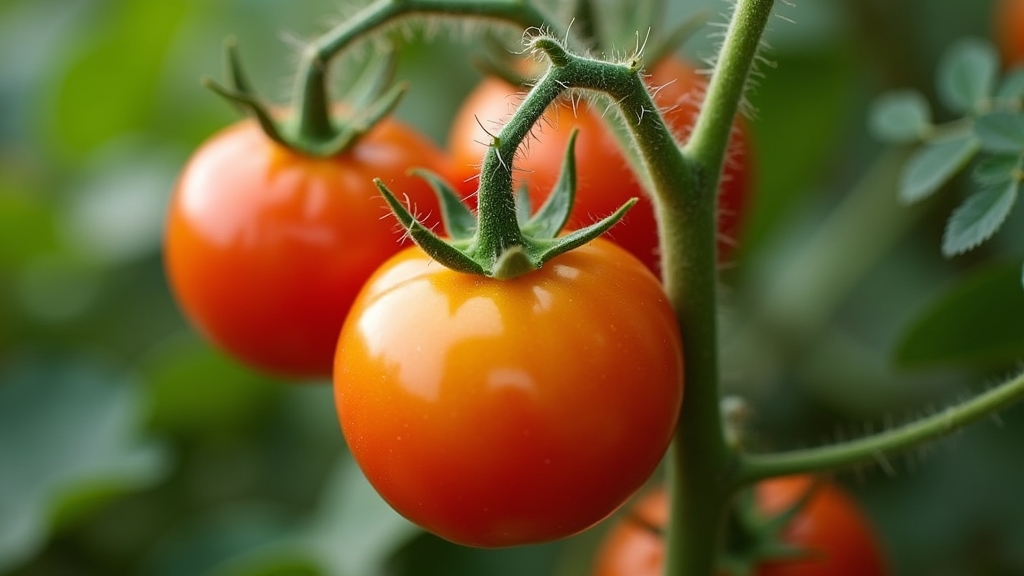
Few things are more disheartening for a gardener than watching a beautiful, ripening tomato develop a sunken, leathery black patch at its base. As someone who has spent over a decade designing and maintaining productive edible landscapes, I have seen this issue—known as blossom end rot—ruin entire harvests. While it looks like a devastating tomato disease caused by a pathogen, it is actually a physiological disorder. The good news is that once you understand the internal mechanics of the plant, you can take control of your garden and virtually eliminate the problem.
The Core Cause: Calcium and Water Transport
At its simplest level, blossom end rot is a calcium deficiency within the developing fruit. However, this doesn't always mean your soil lacks calcium. In fact, most garden soils have plenty of it. The real problem usually lies in the plant's ability to transport that calcium from the roots to the furthest point of the fruit.
The Role of Transpiration
Calcium is an immobile nutrient. Unlike nitrogen, which can move freely throughout the plant, calcium moves through the xylem via the stream of water pulled up by transpiration (evaporation from the leaves). If the water flow is interrupted or if the plant is growing too quickly, the calcium cannot reach the blossom end of the tomato fast enough to build strong cell walls. The cells collapse, and that familiar black spot appears.
Environmental Stressors
Fluctuating soil moisture is the most common culprit. When soil swings between bone-dry and waterlogged, the plant’s vascular system goes into a state of shock. High humidity can also slow down transpiration, while excessive heat can cause the plant to prioritize cooling its leaves over feeding its fruit. Even over-fertilizing with high-nitrogen products can cause a growth spurt that outpaces the calcium supply.
Immediate Steps for Current Crops
If you see black spots on your tomatoes right now, don't panic, but do take action to save the rest of the cluster.
Remove Affected Fruit
Once a tomato has blossom end rot, it cannot be 'cured.' The damage is permanent. I recommend harvesting and discarding these fruits immediately. This allows the plant to redirect its energy and limited calcium supply to the healthy, developing fruits remaining on the vine.
Check Soil pH and Moisture
Take a moment to probe the soil with your finger. If the top two inches are dry, your watering schedule is likely the issue. If the soil is consistently wet, you may have a drainage problem. Additionally, if your soil is too acidic (pH below 6.0), the calcium present in the soil becomes chemically 'locked' and unavailable to the plant. Aim for a pH between 6.2 and 6.8 for optimal nutrient uptake.
Long-Term Prevention Strategies
Preventing blossom end rot is about consistency. In my experience, the most successful vegetable gardens are those where the environment remains stable throughout the growing season.
Mastering Consistent Irrigation
The single most effective way to prevent this issue is to keep soil moisture levels steady. I always advise clients to move away from hand-watering and toward drip irrigation systems on a timer. Drip lines deliver water directly to the root zone, reducing evaporation and ensuring deep penetration. During the heat of summer, a deep watering twice a week is usually better than a light sprinkling every day.
The Power of Mulching
Never leave your soil bare. A 2-to-3-inch layer of organic mulch—such as straw, shredded leaves, or wood chips—acts as a buffer. It keeps the soil cool and prevents the rapid evaporation that leads to the moisture fluctuations mentioned earlier. In a landscaping context, mulch is the 'insulation' that keeps the plant's 'plumbing' working smoothly.
Proper Fertilization Ratios
Be cautious with high-nitrogen fertilizers early in the season. Nitrogen encourages lush, green foliage, but if the leaves grow too fast, they will hoard all the calcium, leaving the fruit deficient. Use a balanced, slow-release fertilizer and avoid ammonium-based nitrogen sources, which can compete with calcium for uptake at the root level.
Root Protection
Be careful when weeding or cultivating around the base of your tomato plants. Damaged roots cannot absorb water or nutrients effectively. If you sever the feeder roots that are responsible for calcium uptake, you are inviting blossom end rot even if your soil is perfect.
When to Call a Professional
While most hobbyists can manage blossom end rot with the steps above, there are times when a certified specialist or soil scientist is needed. If you have consistently amended your soil and maintained perfect watering habits but still lose your crop every year, you may have a systemic soil issue. A professional can provide a laboratory soil analysis to check for high levels of salts or competing minerals like magnesium and potassium, which can prevent calcium absorption in high concentrations. Furthermore, if your garden has drainage issues that lead to 'wet feet,' a landscape contractor may need to install French drains or raised beds to ensure proper aeration.