Mastering the Art of Hydrangea Pruning
Over the last fifteen years, I have spent countless mornings in my garden with shears in hand, learning the subtle language of hydrangeas. Many homeowners feel a sense of dread when it comes to pruning these shrubs because one wrong cut can mean a season without flowers. In this guide, I will walk you through the nuances of hydrangea care, deadheading flowers, and structural pruning so you can enjoy heavy, vibrant blooms year after year.
The Critical First Step: Identifying Your Variety
Before you ever make a cut, you must know what you are growing. This is where most people go wrong. Hydrangeas are generally split into two categories: those that bloom on 'old wood' (stems from last year) and those that bloom on 'new wood' (growth from the current season). If you prune a variety that blooms on old wood at the wrong time, you are literally cutting off next year's flower buds. Take your time with this identification; it is worth doing right the first time.
Old Wood Bloomers
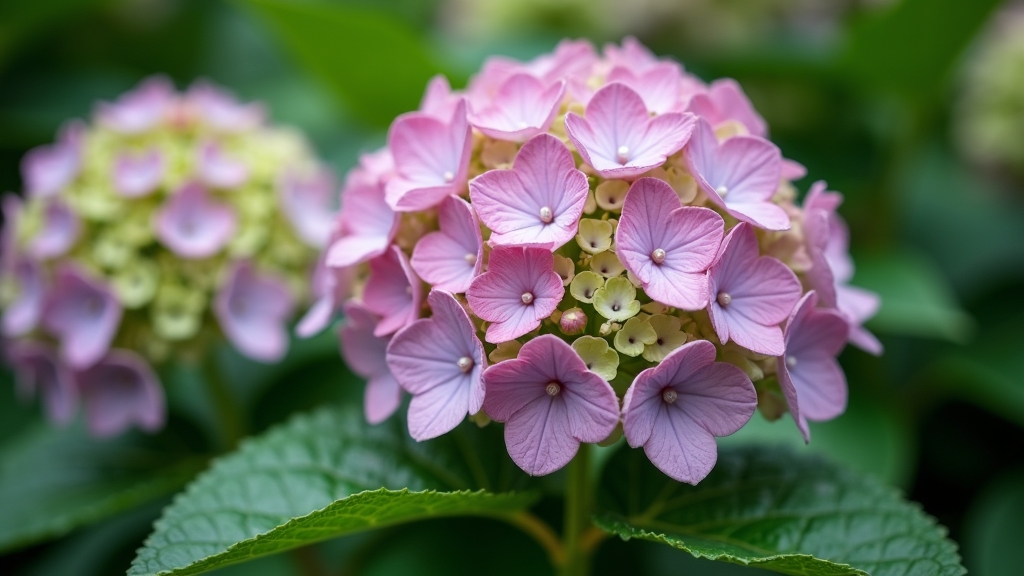
The most common culprits for 'no-bloom' syndrome are the Bigleaf (Macrophylla), Mountain (Serrata), and Oakleaf hydrangeas. These plants set their flower buds in the late summer and fall. If you prune them in the winter or early spring, you’ve lost your flowers. Trust your instincts on this: if the stems look woody and have visible buds in the winter, leave them alone until after they bloom.
New Wood Bloomers
Panicle (Paniculata) and Smooth (Arborescens) hydrangeas are much more forgiving. They develop their flower buds in the spring on the growth they produce that same year. These can be cut back significantly in late winter or early spring without sacrificing any flowers. Small details matter here, as these varieties often benefit from a harder prune to maintain a sturdy frame that won't flop under the weight of heavy blossoms.
Seasonal Pruning Schedule
Spring: The Cleanup Phase
In early spring, my focus is strictly on health, not shaping. For all varieties, I look for the 'three Ds': dead, damaged, or diseased wood. I use a simple scratch test to check for life. Scratch a tiny bit of the bark with your fingernail; if it’s green underneath, the branch is alive. If it’s brown and brittle, cut it back to the ground. For new wood bloomers like the Panicle hydrangea, this is the time to prune back by about one-third to encourage vigorous new growth.
Summer: Deadheading for Aesthetics
Deadheading flowers is different from pruning. This is the practice of removing faded blooms to keep the plant looking tidy. For Bigleaf hydrangeas, I follow the stem down from the spent flower to the first set of large, healthy leaves and make my cut just above them. This doesn't trigger new growth that could be damaged by frost later; it simply cleans up the plant’s appearance. For reblooming varieties, deadheading can actually encourage a second flush of flowers later in the season.
Fall and Winter: Structural Preparation
As the weather cools, I tend to leave my hydrangeas alone. I personally love the look of dried flower heads covered in frost, and they provide a bit of winter protection for the buds below. However, if a shrub has become unmanageably large or crowded, I might remove one or two of the oldest, thickest 'canes' right at the soil level. This opens up airflow and keeps the shrub youthful without sacrificing the entire crop of flowers.
Step-by-Step Pruning Technique
- Sanitize your tools: I always wipe my shears with rubbing alcohol before moving between plants to prevent the spread of fungus or blight.
- Identify the buds: Look for pairs of fat, green buds along the stem. These are your future leaves and flowers.
- Make the cut: Aim for a 45-degree angle about a quarter-inch above a set of buds. The angle allows water to run off the cut rather than sitting on it, which prevents rot.
- Thin the center: If the interior of the shrub looks like a tangled bird's nest, remove a few crossing branches. This allows light to reach the center of the plant.
- Check your work: Step back frequently. You can always cut more, but you can't put it back once it's on the ground.
Common Pitfalls and How to Avoid Them
The biggest mistake I see is 'The Buzzcut.' This is when a homeowner takes hedge trimmers and shears the entire shrub into a flat-topped square. While this might work for some hedges, it is disastrous for hydrangeas. It creates a dense outer shell of growth that prevents light from reaching the interior and often removes all flower buds.
Another mistake is pruning too late in the fall. If you live in a climate with early frosts, pruning in late September can stimulate new, tender growth that won't have time to harden off before the freeze. This can lead to significant die-back and even kill the plant. I always aim to finish any structural pruning on old-wood varieties by early August at the latest.
Pro Tips from 15 Years in the Garden
- Mulch is your friend: After a heavy spring prune, I always top-dress the base of my hydrangeas with a thick layer of compost or aged wood chips. This helps retain moisture while the plant works hard to put on new growth.
- Watering matters: Pruning is stressful for a plant. Ensure your hydrangeas get deep, consistent watering during the weeks following a major pruning session.
- Don't rush the spring: Sometimes a hydrangea looks dead in April, but it’s just a late sleeper. Wait until you see green growth appearing at the base before you decide a branch is truly dead.
- Label your plants: I keep a garden journal or use small tags at the base of the plant. Knowing exactly which cultivar you have makes looking up specific pruning requirements much easier.