The Essentials of Sustainable Pruning
In most homes, pruning is often viewed as a purely aesthetic chore, but it is actually the most effective way to extend a plant's life and promote local biodiversity. Proper tree pruning and shrub trimming allow for better airflow, sunlight penetration, and structural integrity. By removing dead or diseased wood, you prevent the spread of pathogens without the need for chemical interventions. From experience, I have found that a well-pruned garden requires fewer resources over time because the plants are naturally more resilient to pests and drought.
Essential Tools and Materials
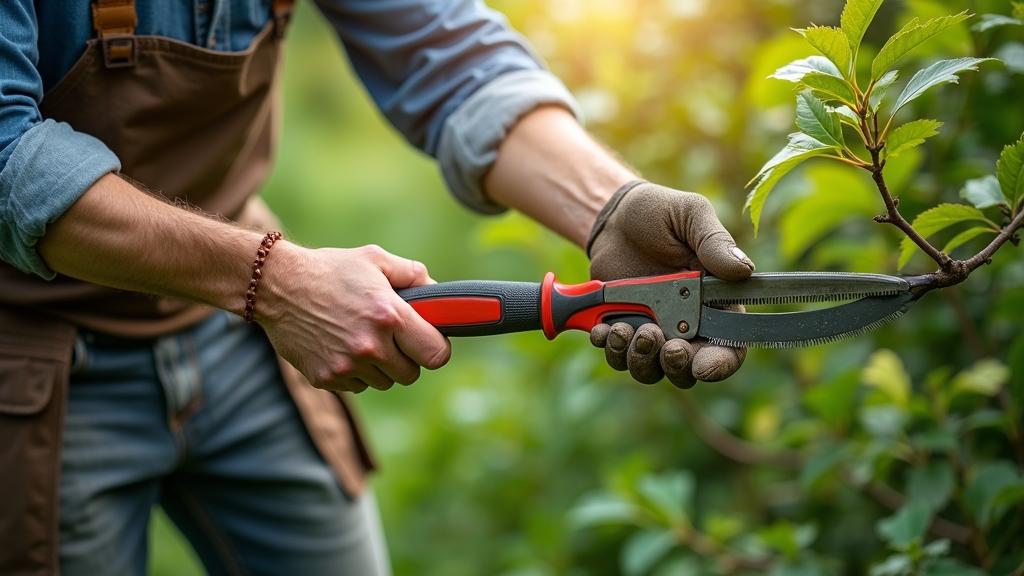
The real issue usually is not the technique, but the quality and cleanliness of the tools being used. Using dull blades crushes plant tissue rather than slicing it, leading to slow healing and increased disease risk. For a sustainable garden, invest in high-quality tools that can be sharpened and repaired rather than replaced.
- Bypass Hand Pruners: Best for stems up to 3/4 inch. The scissor-like action ensures a clean cut.
- Loppers: Necessary for branches between 1 and 2 inches. Choose models with geared joints for better leverage.
- Pruning Saw: Essential for anything over 2 inches. A folding pull-saw is highly efficient for tight spaces.
- Isopropyl Alcohol (70%): To sterilize tools between different plants to prevent cross-contamination.
- Protective Gear: Heavy-duty gloves and eye protection are non-negotiable for safety.
Preparation: Timing and Safety
Timing is the most critical factor in pruning success. While you can remove dead wood any time, major structural pruning is best done during the dormant season (late winter or early spring). One thing many people overlook is that pruning in late summer can stimulate new growth that won't harden off before the first frost, leading to winter kill. For spring-flowering shrubs, wait until immediately after they bloom to avoid cutting off next year's flower buds.
Step-by-Step Guide to Tree Pruning
What works best is following the '3-D' rule first: remove anything Dead, Damaged, or Diseased. Once those are gone, you can focus on the structure.
The Three-Cut Method
In my experience, the biggest mistake homeowners make is trying to cut a heavy branch with a single downward stroke. This almost always results in the bark stripping down the side of the trunk. Use the three-cut method to protect the tree's vascular system:
- The Undercut: About 12 inches from the trunk, cut halfway through the bottom of the branch. This prevents the bark from tearing if the branch falls prematurely.
- The Top Cut: Go an inch or two further out from the undercut and cut all the way through from the top. The branch will fall away cleanly.
- The Final Cut: Locate the branch collar—the swollen area where the branch meets the trunk. Cut just outside this collar at a slight downward angle. Never cut flush against the trunk, as this removes the tree's natural healing tissue.
Step-by-Step Guide to Shrub Trimming
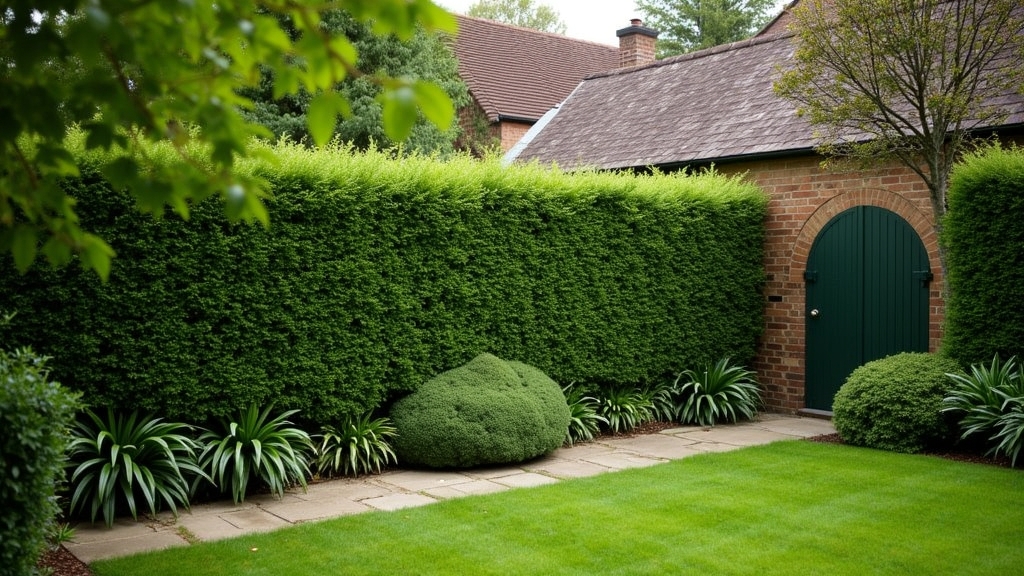
Shrub trimming focuses more on light penetration and rejuvenation. A common situation is a shrub that has become a 'hollow shell' with leaves only on the outside. This happens when the interior is shaded out.
- Thinning Cuts: Instead of shearing the tips, reach inside the shrub and remove select branches at their point of origin. This allows light to reach the center, encouraging internal growth.
- The 1/3 Rule: For overgrown shrubs, remove the oldest one-third of the stems at ground level each year. Over three years, the entire plant is rejuvenated without the shock of a hard prune.
- Heading Cuts: If you need to control height, cut back to a lateral bud facing the direction you want the new growth to go. Aim for a 45-degree angle about 1/4 inch above the bud.
Tips for Best Results
Over the years, I have learned that less is often more. Never remove more than 25% of a tree's canopy in a single season. Removing too much foliage starves the roots of energy and triggers 'water sprouts'—weak, vertical shoots that ruin the tree's structure. Additionally, avoid using 'pruning paint' or sealants. Research has shown that these products actually trap moisture and fungus; a healthy tree is perfectly capable of sealing its own wounds through compartmentalization.
Troubleshooting Common Pruning Issues
If you notice sap bleeding (common in Maples or Birches), don't panic. While it looks alarming, it rarely harms the tree. The real issue usually is pruning too late in the spring when sap pressure is high. If a plant isn't flowering after pruning, you likely cut off 'old wood' buds; research whether your specific variety blooms on new or old growth before your next session. Finally, if you see 'stubs' (branches cut too far from a bud), go back and recut them. Stubs cannot heal and will eventually rot back into the main stem.