Understanding the Root Causes of Bare Patches
As a property manager, I have seen hundreds of lawns fail because owners treat the symptom rather than the cause. A brown patch is rarely just a lack of water. It is a signal that something is wrong beneath the surface. To fix brown grass permanently, you must first identify why it died. Rushing into seeding bare spots without a diagnosis is a waste of money and effort. Take your time with this step; it is the most important part of the process.
Soil Compaction and Foot Traffic
Heavy foot traffic compresses the soil. When soil particles squeeze together, they push out air and water. Roots cannot penetrate hard ground, and the grass eventually suffocates. For example, if you see a bare path where the dog runs or where kids play, compaction is likely the culprit. You cannot simply throw seed on top of hard dirt and expect results.
Pet Waste and Chemical Burns
Nitrogen is good for grass, but too much of it acts like a poison. Dog urine contains high concentrations of nitrogen that burn the grass blades and the roots. These patches often have a bright green ring around a dead center. Similarly, spilling fertilizer or gasoline from a lawnmower will create immediate, sharp-edged dead zones.
Fungal Infections and Pests
If your lawn looks moth-eaten or has irregular brown shapes that expand during humid weather, you likely have a fungal issue. Grubs are another common cause. If you can pull up a patch of dead grass like a piece of carpet and see white, C-shaped larvae underneath, you have a pest problem that needs addressing before you replant.
Immediate Steps for Lawn Patch Repair
Once you identify the cause, you can begin the repair. It is worth doing right the first time. A rushed patch job will look like a patchwork quilt and likely die off within a season. Follow these steps for a professional-grade restoration.
Step 1: Clear and Prep the Area
Remove all dead grass and weeds from the bare spot. Use a sturdy garden rake to loosen the top two to three inches of soil. If the soil is extremely hard, use a hand aerator or a garden fork to poke holes. This allows oxygen and water to reach the new roots. I always tell my maintenance crews that the seed-to-soil contact determines the success of the job.
Step 2: Add Quality Topsoil or Compost
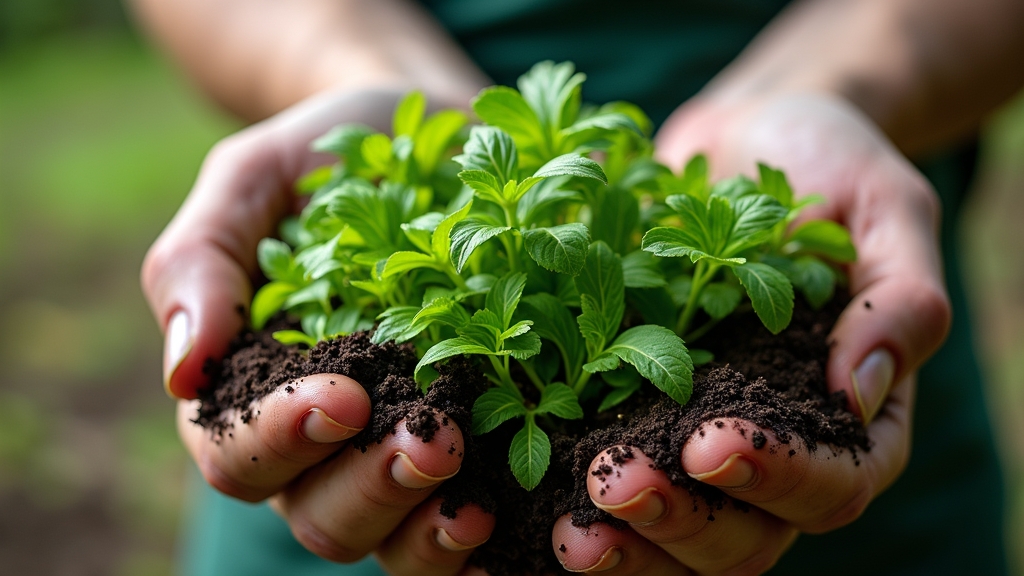
Most bare patches suffer from depleted soil. Mix in a thin layer of high-quality compost or screened topsoil. This provides a nutrient-rich bed for the new seeds. Avoid using cheap 'fill dirt,' which often contains weed seeds and rocks. Small details matter here; a level surface prevents water from pooling and drowning the new seedlings.
Step 3: Choose the Right Seed
Do not buy the cheapest bag of 'patch and go' mix. Match the new seed to your existing lawn type. If you have Kentucky Bluegrass, use a sun-loving mix. If your patch is under a maple tree, use a fine fescue blend. Using the wrong grass type results in a patch that grows at a different rate and color than the rest of your yard.
Step 4: Seeding and Tamping
Spread the seed evenly across the prepared area. You want about 10 to 15 seeds per square inch. Once spread, lightly rake the seeds into the soil. Use the back of your rake or your foot to gently press the seed down. You are not trying to bury the seed deep; you are ensuring it is tucked into the soil surface. Trust your instincts on this one; if the seed is just sitting on top, the birds will eat it before it grows.
Long-Term Prevention Strategies
Prevention is the only way to stop the cycle of endless repairs. Managing a property effectively means looking ahead to the next season. If you change your maintenance habits, you will rarely need to perform lawn patch repair again.
Improve Your Mowing Habits
Most people cut their grass too short. This weakens the root system and makes the lawn susceptible to heat stress. Set your mower to a height of three to four inches. Taller grass shades the soil, which keeps moisture in and prevents weed seeds from germinating. Never remove more than one-third of the grass blade at one time.
Implement Annual Core Aeration
Compaction happens naturally over time. Once a year, usually in the fall, perform a core aeration. This process removes small plugs of soil from the lawn. It allows the earth to 'breathe' and encourages deep root growth. It is the single best thing you can do for the long-term health of your grass restoration efforts.
Deep and Infrequent Watering
Lightly sprinkling your lawn every day encourages shallow roots. Instead, water deeply once or twice a week. You want the water to soak several inches into the ground. This forces the grass roots to grow deeper to find moisture, making the lawn much more resilient during summer droughts.
When to Call a Professional
Sometimes, a bare patch is a symptom of a systemic failure. If more than 40% of your lawn is bare or brown, it may be more cost-effective to scrape the yard and start over with sod or professional hydroseeding. If you notice standing water that does not drain for hours after a rain, you likely have a grading or drainage issue that requires heavy equipment to fix. Finally, if you suspect a widespread grub infestation, a professional can apply high-grade treatments that are more effective than over-the-counter options.