Reviving the Forgotten Garden
As a gardener specializing in tight urban spaces, I’ve seen my fair share of 'lost' flower beds. These are the corners of a yard or patio that started with good intentions but were eventually overtaken by opportunistic weeds and hardened soil. It’s easy to feel overwhelmed when looking at a patch of ground that resembles a miniature jungle, but I’ve learned that restoring a neglected flower bed is one of the most rewarding projects you can undertake. It is worth doing right the first time, even if it takes a little longer than you anticipated.
The secret to a successful garden renovation isn't just brute force; it’s a systematic approach to clearing, nourishing, and redesigning. In this guide, we will break down the process into manageable steps while providing a realistic cost analysis for two primary approaches: the 'Budget-Friendly DIY' and the 'Professional-Grade Overhaul'. Take your time with this; your garden will thank you for the patience.
Clearing the Canvas: Clearing Weeds
The first hurdle in any garden renovation is the removal of unwanted growth. This is where many people rush, but small details matter here. If you leave behind a single taproot of a dandelion or a runner of invasive grass, you’ll be fighting the same battle in three weeks.
Option A: Manual Extraction (The Budget Approach)
This method involves hand-pulling and using a simple hand trowel or a garden fork. It is labor-intensive but costs almost nothing if you already own basic tools. The key is to wait for a day after it rains when the soil is moist and pliable. Trust your instincts on this one—if a root feels like it’s snapping instead of pulling, dig deeper.
Option B: Smothering/Sheet Mulching (The Patient Approach)
If the weeds are particularly aggressive, you might consider sheet mulching. This involves covering the area with cardboard and a thick layer of mulch. While it takes months to kill off the weeds, it requires minimal physical labor and significantly improves soil health in the process.
The Foundation: Soil Amendment
Once the weeds are gone, you aren’t ready to plant just yet. Neglected soil is often compacted, depleted of nutrients, and lacking in beneficial microbial life. Soil amendment is the most critical step in ensuring your new plants don't just survive, but thrive.
The Nutrient Boost
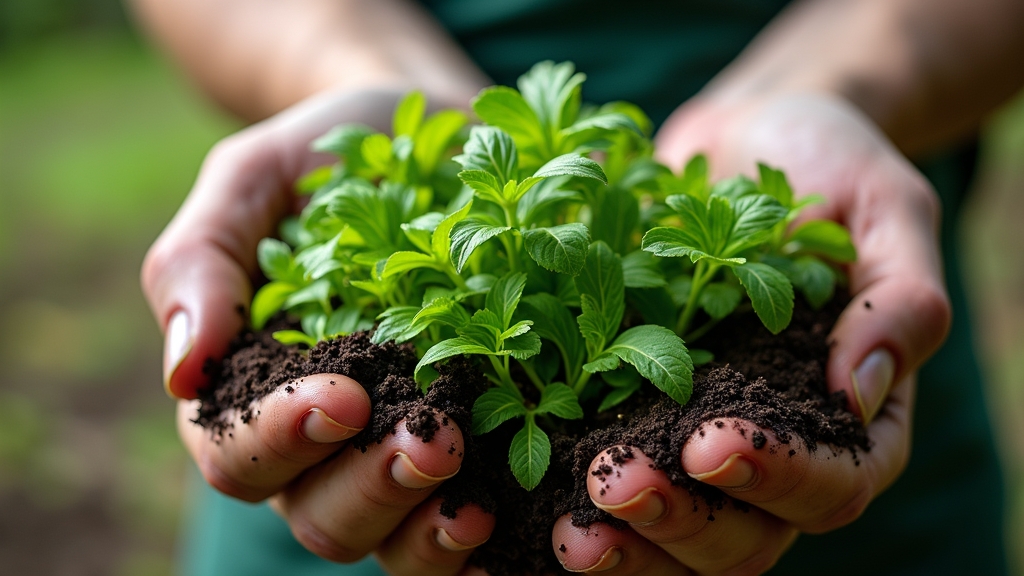
In small-space gardening, we often deal with 'dead' soil. I recommend adding at least 3-4 inches of high-quality organic matter. This could be well-rotted manure, homemade compost, or bags of premium raised bed mix. Don't rush the process of mixing this in; you want a homogenous blend that allows roots to penetrate easily.
The Blueprint: Flower Bed Layout
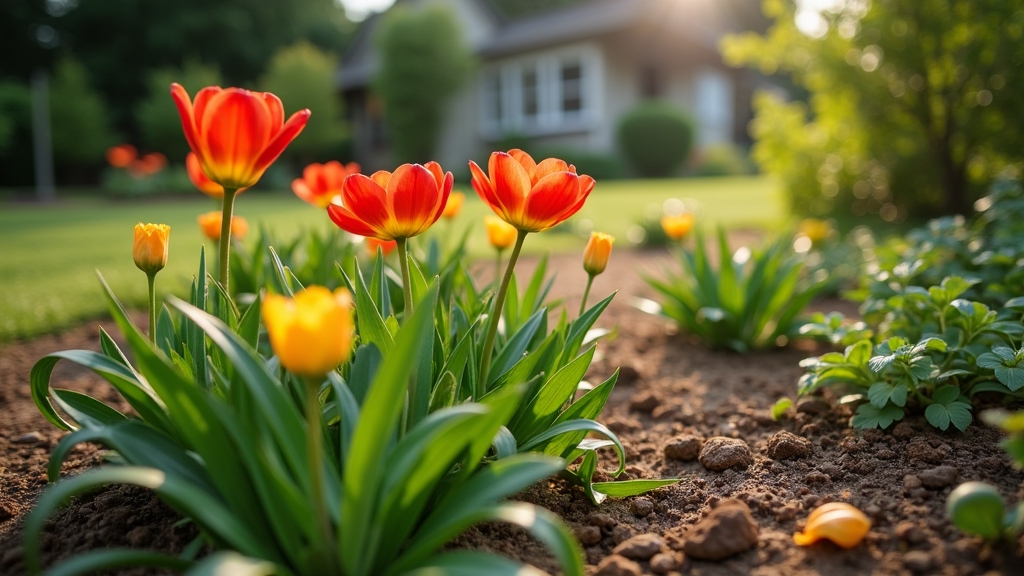
With a clean slate and rich soil, you can now focus on the flower bed layout. In urban settings, we often use 'layering' to create the illusion of depth. This means placing taller perennials in the back, mid-sized fillers in the center, and low-growing groundcovers or annuals at the front edge.
Think about the 'sight lines' from your window or balcony. A garden isn't just for the street; it's for your daily enjoyment. Draw a simple map before you buy a single plant. This prevents impulse buys that don't fit the space or the sunlight requirements.
Cost Breakdown: DIY vs. Professional
Understanding the financial commitment helps you plan accordingly. Here is a realistic breakdown for a standard 10' x 4' (40 sq. ft.) flower bed renovation.
Budget-Friendly DIY Strategy
- Tools: Hand trowel, garden fork, and gloves ($40 - $60)
- Waste Removal: Compost bin or yard waste bags ($10 - $20)
- Soil & Mulch: 4 bags of compost and 3 bags of wood mulch ($50 - $80)
- Plants: 1 gallon perennials and seed packets ($100 - $150)
- Total: $200 - $310
The Professional-Grade Overhaul
- Tools: Power tiller rental, high-end edging ($100 - $150)
- Waste Removal: Junk removal service or large dumpster bag ($80 - $150)
- Soil & Mulch: Bulk delivery of garden soil mix and premium cedar mulch ($150 - $250)
- Plants: Mature 3-5 gallon shrubs and established perennials ($300 - $500)
- Total: $630 - $1,050
Pros and Cons Analysis
Manual/DIY Approach
- Pros: Extremely low cost; gives you a deep connection to the soil; zero chemical use.
- Cons: Physically demanding; time-consuming; higher risk of weeds returning if roots are missed.
Professional/Bulk Approach
- Pros: Instant results; better soil structure from the start; less physical strain.
- Cons: High upfront cost; requires logistics (deliveries/rentals); potential for heavy machinery to compact surrounding areas.
Final Recommendation
If you are working with a small apartment-side bed or a single rectangular plot, I recommend the Slow DIY approach. There is a specific magic in rehabilitating a piece of earth with your own hands. However, if the bed has been neglected for over five years and the soil feels like concrete, investing in a power tiller rental and bulk soil delivery is the only way to ensure the long-term success of your garden renovation.
Remember: do not rush. A garden is a living thing, not a furniture assembly project. Take the time to clear every root and enrich every inch of soil. It is better to have a small, perfectly restored bed than a large, poorly prepared one.