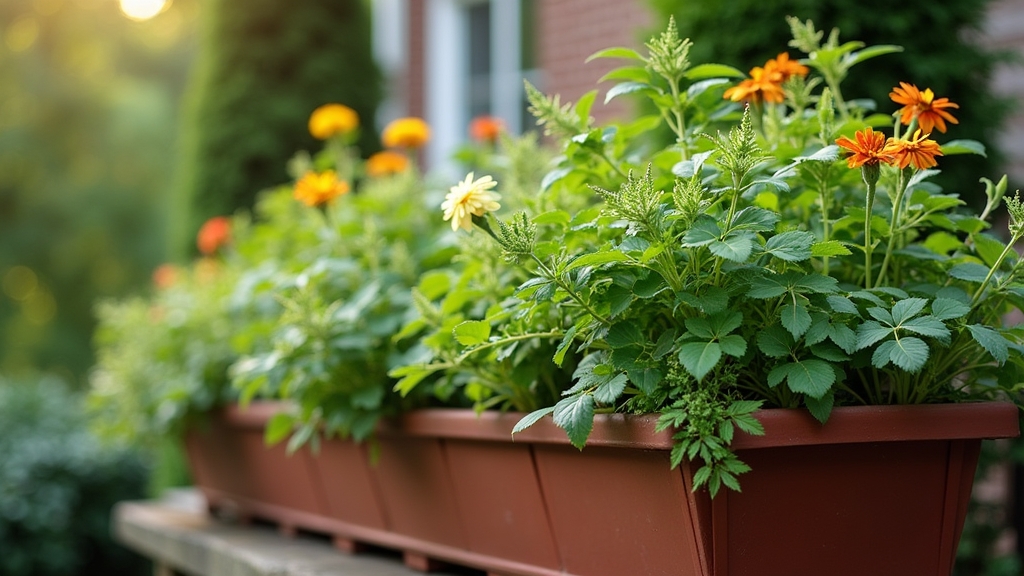
In this guide, you will learn how to navigate the specific challenges of container gardening through every season, from selecting the right patio plants to maintaining soil health in confined spaces. We will explore the timing of planting, watering adjustments, and protection strategies that ensure your small-space garden thrives year-round.
Why Container Gardening Matters
In most homes with limited outdoor space, container gardening isn't just a hobby—it is the only way to connect with nature. However, a common situation is that new gardeners treat pots exactly like the ground. The real issue usually is that containers are isolated ecosystems. Unlike plants in the earth, pot gardening relies entirely on you for nutrients, hydration, and temperature regulation. Because the root systems are elevated and surrounded by thin walls, they are more susceptible to the swings of the seasons. Understanding these fluctuations is the key to preventing the cycle of buying plants only to watch them wither a month later.
Spring: The Foundation of Growth
Spring is the most active time for any gardener, but for those focusing on patio plants, it is the season of preparation. What I have found is that the biggest mistake people make is rushing the season. Just because the sun is out doesn't mean the soil inside a ceramic pot is warm enough for tropicals.
Waking Up the Soil
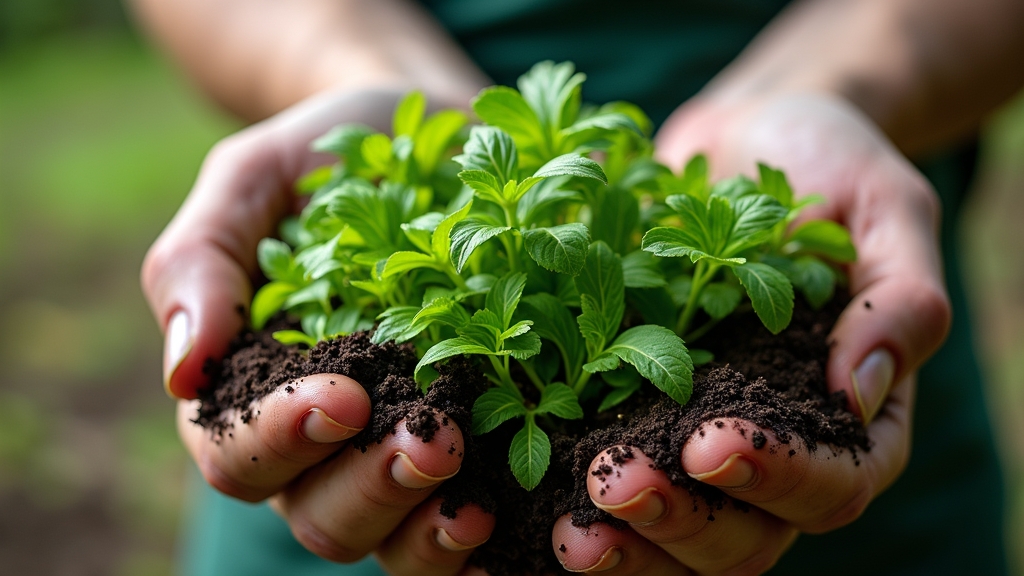
Over the years, I have learned that you don’t always need to replace all your soil every year. In my experience, a 'refresh' works best for larger containers. Remove the top 3-4 inches of old, dusty soil and replace it with fresh, high-quality potting mix and a handful of organic compost. This reintroduces microbes and improves the structure for new roots.
Early Season Planting
Start with cool-weather favorites that can handle a light frost. Radishes, lettuces, and pansies are perfect for early spring pot gardening. If you are starting seeds, ensure your containers have adequate drainage. From experience, many 'decorative' pots lack holes; always drill them yourself or use a plastic liner with holes inside the decorative vessel.
Summer: Managing the Heat
When mid-July hits, the primary challenge of container gardening becomes moisture management. The sun can bake the sides of a pot, heating the roots to damaging temperatures. The key thing to remember is that dark-colored plastic pots absorb significantly more heat than terracotta or light-colored ceramic.
Hydration Strategies
What works best is watering early in the morning. This allows the plant to hydrate its cells before the heat of the day strikes. One thing many people overlook is that a pot might look wet on top but remain bone-dry at the root ball. I always suggest the 'finger test'—stick your finger two inches into the soil. If it’s dry at that depth, it’s time to water.
Mulching Your Containers
We often think of mulch for garden beds, but it is incredibly effective for patio plants too. A thin layer of straw, wood chips, or even flat stones on top of the soil in your pots can reduce evaporation by up to 50%. This creates a more stable environment for the roots during heat waves.
Fall: Transition and Extension
As the light shifts, your container gardening strategy must change. Growth slows down, and the threat of the first frost looms. However, fall is also a second spring for many edible crops.
Refreshing for Autumn
Replace tired summer annuals with hardier varieties like kale, mums, or ornamental peppers. In my experience, these plants thrive in the cooler nights and shorter days. This is also the time to stop fertilizing. You don't want to encourage a flush of soft, new growth right before the freezing weather arrives.
Preparing for the First Frost
A common situation is being caught off guard by a sudden cold snap. Group your containers together near the walls of your home. The building radiates heat, providing a microclimate that can be 5-10 degrees warmer than the edge of a balcony. This simple move can extend your growing season by weeks.
Winter: Protection and Dormancy
Winter is the most dangerous time for pot gardening because the roots are exposed to the air on all sides. In the ground, the earth acts as an insulator; in a pot, the root ball can freeze solid and thaw repeatedly, which shatters the plant's cellular structure.
Protecting Perennials
If you have perennial patio plants, they need insulation. What I have found is that wrapping pots in burlap or bubble wrap can save the plant. For smaller pots, I often move them into an unheated garage or a sheltered corner. The goal isn't to keep them warm enough to grow, but to keep them cold and stable so they remain dormant.
The Indoor Transition
One thing many people overlook is the shock a plant feels when moving from a balcony to a heated apartment. If you are bringing herbs or tropicals inside, do it gradually. Bring them in for a few hours a day over the course of a week to help them acclimate to the lower light levels and drier air of your home.
Practical Tips from the Balcony
- Weight Matters: If you are gardening on a balcony, use lightweight potting mixes that contain perlite or vermiculite. Avoid heavy 'garden soil' which can compact and put undue stress on your structure.
- Fertilize Regularly: Because you water pots frequently, nutrients leach out of the bottom. Use a diluted liquid organic fertilizer every two weeks during the growing season.
- Rotate Your Pots: Plants will naturally lean toward the light. Giving your containers a quarter-turn every week ensures even growth and prevents them from becoming top-heavy.
- Vertical Thinking: In small spaces, use the walls. Trellises in large pots allow you to grow upward, maximizing your square footage.
Common Mistakes to Avoid
The most frequent error I see is using pots without drainage holes. Without a way for excess water to escape, the roots will rot in a matter of days. Another mistake is choosing the wrong size pot. A tiny plant in a massive pot will often suffer from 'wet feet' because the soil stays damp for too long, while a large plant in a tiny pot will become root-bound and dry out too quickly. Lastly, don't ignore the quality of your water. If your city water is heavily chlorinated, let it sit out overnight before using it on sensitive patio plants.