Building a Sustainable Foundation: Why Soil Improvement Matters
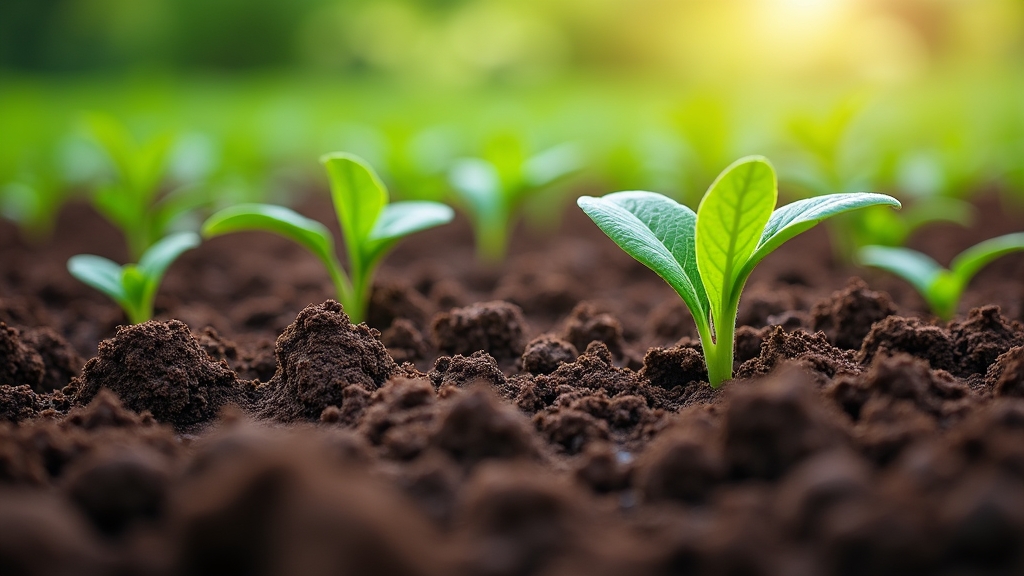
As an energy efficiency advisor, I often talk to homeowners about insulation and heat pumps, but many are surprised to learn that their backyard is a powerful tool for environmental conservation and utility savings. Healthy garden soil acts like a sponge, retaining water and nutrients, which reduces the energy required for pumping water and the financial cost of purchasing synthetic fertilizers. Soil improvement isn't just about growing bigger tomatoes; it’s about creating a self-sustaining ecosystem that lowers your home’s overall environmental footprint.
In this guide, we will compare the two primary pathways to better soil: organic amendments and inorganic (mineral) amendments. By understanding the nuances of each, you can make a choice that is both budget-friendly and ecologically sound.
The Organic Approach: Building Life with Organic Matter
Organic soil improvement involves adding carbon-based materials that were once alive. This is the gold standard for long-term soil health because it feeds the microscopic organisms—bacteria, fungi, and earthworms—that do the heavy lifting in your garden.
Compost: The Gold Standard
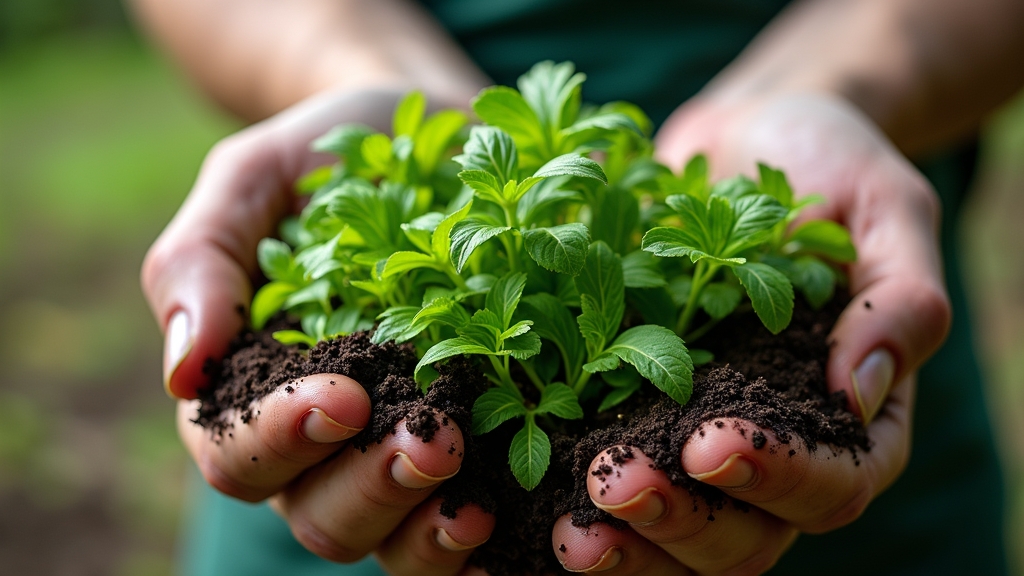
Compost is decomposed organic matter. It is the ultimate recycler's tool, often produced for free from kitchen scraps and yard waste. It improves soil structure, aeration, and water retention across all soil types.
Manure and Leaf Mold
Well-rotted animal manure (cow, horse, or chicken) is a high-nitrogen amendment that provides a significant nutrient boost. Leaf mold, simply decomposed leaves, is exceptional for improving moisture retention and mimicking the natural floor of a forest.
Green Manure (Cover Crops)
This method involves planting specific crops, like clover or vetch, and then tilling them back into the earth. It is a biological way to fix nitrogen into the soil without ever visiting a garden center.
The Inorganic Approach: Mineral and Structural Amendments
Inorganic amendments are materials that do not decompose. They are used to alter the physical structure of the soil or specifically adjust its chemical balance (pH levels).
Biochar: The Permanent Carbon Sink
Biochar is a form of charcoal produced through pyrolysis. While it is technically organic in origin, it does not break down for hundreds of years. It acts as a permanent 'apartment complex' for microbes and a reservoir for nutrients.
Perlite and Vermiculite
These are volcanic minerals that have been heated until they expand. Perlite is used for drainage (excellent for heavy clay), while vermiculite is used for water retention (ideal for sandy soils).
Gypsum and Lime
Lime is used to raise the pH of acidic soils, while gypsum is often used to improve the structure of heavy, sodic clay soils without significantly altering the pH level.
Detailed Pros and Cons Comparison
To choose the right method, we must weigh the immediate benefits against the long-term labor and financial investment.
Organic Soil Amendments
- Pros: Improves soil microbiome; increases water-holding capacity significantly; sequesters carbon; can be produced at home for free.
- Cons: Requires annual reapplication; can introduce weed seeds if not properly composted; takes time to see dramatic structural changes.
Inorganic Soil Amendments
- Pros: Immediate impact on drainage or pH; permanent or long-lasting structural changes; sterile (no weeds or pathogens).
- Cons: High initial cost; no nutritional value for microbes; carbon-intensive manufacturing and shipping processes.
Cost Comparison: Budgeting for Your Garden
When considering soil improvement, I always advocate for the 'low-input' model. Here is how the costs break down:
| Method | Estimated Cost | Longevity |
|---|---|---|
| Home Composting | $0 - $50 (bin cost) | Requires annual addition |
| Municipal Compost | $20 - $40 per yard | Requires annual addition |
| Biochar | $30 - $60 per bag | Permanent/Decades |
| Perlite/Vermiculite | $15 - $25 per bag | Permanent structure |
| Cover Cropping | $5 - $15 (seeds) | Seasonal |
From an efficiency standpoint, home composting is the clear winner. It reduces waste hauling fees and provides a nutrient-dense product for free. However, if you are dealing with severely compacted clay, a one-time investment in gypsum or perlite may be a necessary expense to unlock the soil's potential.
Best Use Cases for Each Situation
If you have Sandy Soil:
Sandy soil drains too quickly and loses nutrients. Your best bet is a heavy application of compost and vermiculite. The compost adds nutrients, while the vermiculite holds onto water like a sponge.
If you have Heavy Clay Soil:
Clay soil stays wet too long and suffocates roots. Use gypsum to break up the chemical bonds of the clay and perlite or coarse organic matter (like wood chips) to create air pockets.
If you have 'Dead' Soil (New Construction):
New builds often have stripped topsoil. You need to jumpstart the ecosystem. A mix of biochar (to provide a permanent home for life) and liquid seaweed or compost tea (to introduce life) is the most efficient path forward.
Final Recommendation: The Advisor’s Choice
If you want the best return on investment for both your wallet and the planet, I recommend a hybrid approach. Start with composting as your primary, ongoing soil improvement strategy. It is the most sustainable way to manage waste and feed your garden.
However, do not be afraid to use a one-time 'structural intervention.' If your soil is depleted, adding biochar once in your lifetime can permanently increase the efficiency of every gallon of water you use. By combining the immediate structural benefits of inorganic minerals with the life-giving properties of organic matter, you create a garden that thrives with minimal external inputs—the very definition of efficiency.