Introduction to Home Gardening Costs
As a renovation consultant, I’ve seen homeowners drop thousands on high-end kitchen remodels only to realize the most rewarding project they ever tackled was right outside their back door. Growing vegetables is a trend that isn’t going away, and for good reason. There is nothing quite like the taste of a sun-warmed tomato you grew yourself. But here is the thing: many beginners jump into the deep end without realizing that a 'simple' garden can quickly become a financial sinkhole if you aren't careful. Whether you want to save money on groceries or just find a new hobby, understanding the upfront investment is crucial.
Overview of Your Gardening Options
Before we talk dollars and cents, we need to look at how you’re going to plant. In the world of home improvement, we call this the 'site prep.' There are three main ways to get started with a vegetable garden, each with a very different price tag and level of commitment.
In-Ground Gardening: The Traditional Way
This is as old-school as it gets. You find a sunny spot in your yard, remove the grass, turn the soil, and plant. It requires the least amount of external materials but the most amount of physical labor. Now, the important part to remember here is that your existing soil quality will dictate your success. If you have heavy clay or rocky dirt, your 'cheap' garden might require a lot of expensive amendments.
Raised Bed Gardening: The Premium Choice
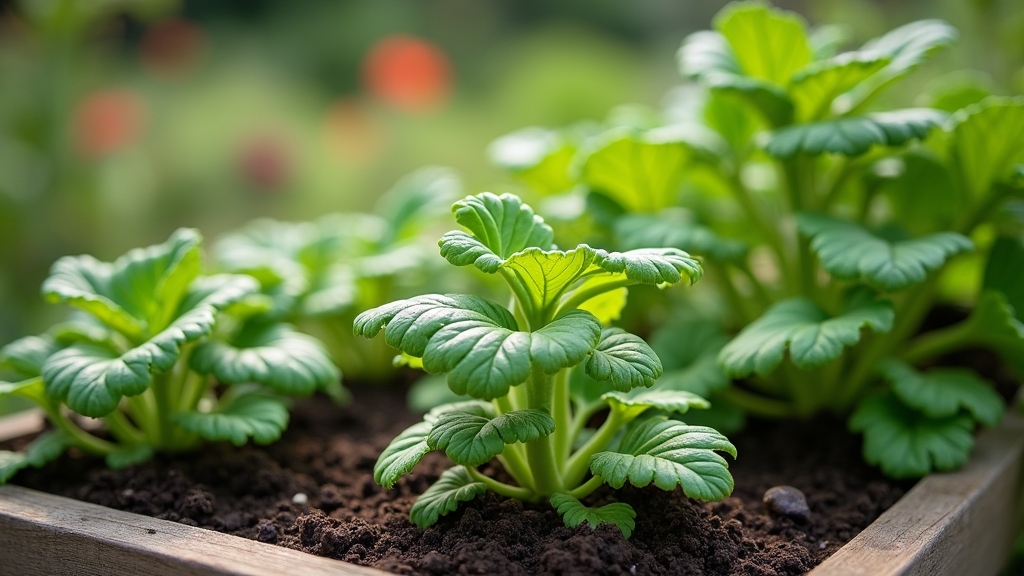
Raised beds are essentially large bottomless boxes filled with high-quality soil. This is the gold standard for many because it offers total control over the growing environment and is much easier on your back. This is where it gets interesting because you are essentially building furniture for your plants. You’ll need lumber (preferably cedar or heat-treated pine), hardware, and a significant amount of brought-in soil.
Container Gardening: The Small-Space Solution
If you have a balcony, a small patio, or you just want to dip your toes in the water, containers are your best friend. You can use anything from ceramic pots to five-gallon buckets. On the other hand, containers dry out faster and require more frequent fertilizing, which is something to keep in mind when calculating long-term costs.
The Real Cost Breakdown: Where Your Money Goes
What most people miss when they start growing vegetables is the hidden costs. It’s not just the seeds; it’s the infrastructure that keeps those seeds alive. Let’s break down the realistic expenses you can expect in your first year.
Soil and Soil Amendments
Soil is the one place you should never cheap out. In a raised bed (standard 4x8 feet), you might need 32 cubic feet of soil. At $5 to $10 per bag for high-quality organic mix, you're looking at $160 to $320 just for the dirt. The good news is, if you choose in-ground gardening, you might only need $40 worth of compost to mix into your existing earth.
Infrastructure and Materials
If you are building a raised bed, cedar is the preferred choice because it’s rot-resistant, but it’s pricey. A single 4x8 bed can cost $100 to $200 in lumber alone. If you go the container route, a decent 12-inch pot will run you $15 to $30. Worth mentioning is the cost of fencing. If you have deer, rabbits, or groundhogs, a garden without a fence is just an expensive buffet for the local wildlife. A simple chicken wire fence could add $50 to $100 to your budget.
Seeds vs. Seedlings
A packet of seeds costs $3 and contains dozens of plants. A single 'start' or seedling from a nursery costs $4 to $6. While seeds are cheaper, they require more time and often specialized equipment like grow lights if you start them indoors. Most beginners find a mix is best: seeds for easy stuff like beans and carrots, and starts for tricky ones like tomatoes and peppers.
Detailed Pros and Cons
In-Ground Gardening
- Pros: Lowest entry cost; no construction required; better water retention.
- Cons: Harder on the back; high weed pressure; dependent on existing soil quality.
Raised Bed Gardening
- Pros: Excellent drainage; fewer weeds; beautiful aesthetic; easier on joints.
- Cons: High upfront material cost; soil can dry out faster than in-ground.
Container Gardening
- Pros: Highly portable; perfect for renters; minimal tools needed.
- Cons: Limited yield; requires daily watering in summer; expensive per square inch.
Cost Comparison Summary
| Expense Item | In-Ground (100 sq ft) | Raised Bed (4x8 bed) | Containers (5 Large Pots) |
|---|---|---|---|
| Soil/Amendments | $40 - $80 | $150 - $300 | $50 - $100 |
| Structures/Pots | $0 | $100 - $250 | $60 - $150 |
| Seeds/Plants | $30 - $60 | $30 - $60 | $20 - $40 |
| Tools/Hose | $50 - $100 | $30 - $70 | $20 - $40 |
| Total Est. Start-up | $120 - $240 | $310 - $680 | $150 - $330 |
Best Use Cases for Each
Choosing the right method depends entirely on your specific situation. Here is how I advise my clients:
- The Budget Conscious: Go in-ground. If you have the space and the physical ability, it’s the most economical way to produce a high volume of food.
- The Home Aestheticist: Choose raised beds. They look organized and add value to your landscape design. It’s a 'renovation' for your yard.
- The Urbanite or Renter: Stick to containers. You can take your garden with you when you move, and you don’t need to dig up any landlord’s grass.
Final Recommendation Based on Situation
If you are just starting out, my professional advice is to start small and scale up. Don't build five raised beds in your first weekend. Start with one 4x8 raised bed or a small 10x10 in-ground plot. This keeps your initial investment under $300 and allows you to learn the ropes without the pressure of a massive financial commitment. The most expensive garden is the one you abandon in July because it became too much work. Plan for the budget you have today, but leave room for the gardener you’ll become next year.