Understanding the White Spots on Your Leaves
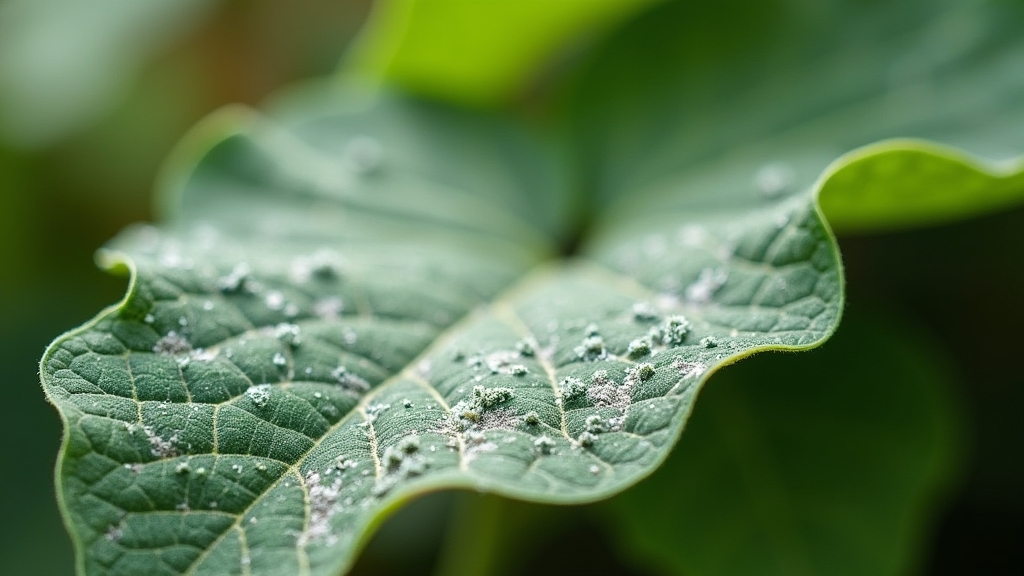
In most homes I visit with backyard gardens, the owner eventually runs into the same frustrating sight: a fine, white, flour-like dusting covering their zucchini, roses, or hydrangeas. Many people mistake this for dust or salt residue, but the real issue usually is powdery mildew. From experience, I can tell you that while it looks harmless at first, this fungus can quickly starve your plants by blocking photosynthesis, leading to yellowing, stunted growth, and eventual plant death.
Over the years, I have learned that powdery mildew isn't just one single fungus; it's a group of related fungi that thrive when conditions are just right—specifically, warm days and cool, humid nights. Unlike many other fungi, it doesn't actually need standing water on the leaves to grow. What works best is catching it early and choosing a treatment method that fits the severity of the infection and your personal gardening philosophy.
Method 1: Household Potassium Bicarbonate and Baking Soda
A common situation is finding the infection on a Sunday afternoon when the garden stores are closed. This is where household remedies come in. The most popular natural fungicide for plants involves using bicarbonates to shift the pH level on the leaf surface, making it uninhabitable for the fungus.
The Pros and Cons of Bicarbonate Sprays
One thing many people overlook is the difference between baking soda (sodium bicarbonate) and potassium bicarbonate. In my experience, potassium bicarbonate is the superior choice because it provides potassium to the plant while killing the fungus. Sodium bicarbonate can lead to a salt buildup in your soil over time if used excessively.
- Pros: Extremely low cost, non-toxic, and ingredients are likely already in your kitchen.
- Cons: It is a preventative or early-stage treatment; it won't 'cure' a leaf that is already 80% covered. It also requires a surfactant (like a drop of dish soap) to stick to the leaves.
Method 2: The Milk-Based Treatment
It sounds like an old wives' tale, but from experience, I’ve found that a mixture of milk and water is remarkably effective against powdery mildew, especially on plants like cucumbers and squash. The protein in the milk, when exposed to sunlight, creates an antiseptic effect that kills the fungus.
How to Apply Milk Sprays
What I have found is that a ratio of 40% milk to 60% water is the sweet spot. You don't need whole milk; skim milk actually works better because it has less fat, which can go rancid and smell in the summer heat.
- Pros: Safe for edible crops, easy to mix, and provides some foliar feeding.
- Cons: Can produce a slight odor if used in heavy quantities; requires regular reapplication after rain.
Method 3: Horticultural Oils and Neem Oil
When the white spots on leaves have moved beyond a few speckles and are starting to take over the plant, you need something with a bit more 'suffocating' power. This is where oils come into play. These work by coating the fungal spores and preventing them from spreading.
Application Timing is Critical
The key thing to remember when using any oil-based powdery mildew treatment is timing. Never spray these in the middle of a hot, sunny day. I have seen many beautiful gardens scorched because the oil acted like a magnifying glass for the sun. Always apply in the late evening.
- Pros: Very effective at killing active spores; also helps control garden pests like aphids.
- Cons: Higher cost than kitchen remedies; potential for leaf burn if applied incorrectly.
Method 4: Sulfur and Copper-Based Fungicides
For those facing a persistent, recurring problem every year, organic mineral-based fungicides are the heavy hitters. These have been used for centuries and are highly effective at garden fungus control.
Safety and Soil Impact
In my experience, sulfur is best used as a preventative, while copper can handle an existing infection more aggressively. However, you must be careful. Copper can accumulate in the soil over many years, which isn't ideal for long-term soil health. I usually suggest these only when natural remedies have failed.
Comparison of Treatment Costs and Efforts
When choosing a method, consider the scale of your garden and your budget. Here is a quick breakdown based on my years of maintaining residential landscapes:
- Baking Soda/Milk: Cost is negligible (pennies per gallon). Effort is high, as you must spray every 7-10 days.
- Neem/Horticultural Oils: Moderate cost ($15-$30 per bottle). Effort is moderate; it lasts slightly longer than milk.
- Mineral Fungicides: Highest cost ($20-$50). Effort is low to moderate, as these are concentrated and very effective.
The Real Solution: Cultural Controls and Prevention
What works best isn't always a spray; it's how you manage the environment. The real issue usually is a lack of airflow. I always tell my clients that if air can't move through the center of the plant, you are inviting mildew to stay. Over the years, I have learned that aggressive pruning and proper spacing can eliminate 70% of mildew problems before they start.
Another tip: always water at the base of the plant. While powdery mildew doesn't need wet leaves to germinate, high humidity around the foliage encourages it. By keeping the leaves dry and the soil hydrated, you create an environment where the plant is strong and the fungus is weak.
Final Recommendation Based on Your Situation
If you have a small vegetable patch with young plants, start with the milk spray. It's the safest and most organic approach. For ornamental plants like roses that get hit every year, I recommend a potassium bicarbonate spray as a preventative measure starting in early summer. If you are already looking at a 'white-out' situation on your plants, go straight to a horticultural oil to stop the spread before the plant is completely defoliated.