Choosing the Right Way to Hydrate Your Garden
In my years helping homeowners transform their outdoor spaces, I have seen more plants lost to improper watering than to pests or poor soil combined. Most people view watering plants as a simple chore—grab a hose, spray until the dirt looks dark, and move on. However, here is the thing: how you deliver that water is just as important as how much water you provide. The goal isn't just to get the leaves wet; it's to sustain a deep, healthy root system.
Different gardens require different approaches. A raised bed full of leafy greens has vastly different needs than a sprawling lawn or a xeriscaped front yard. To get this right, we need to look at the three primary methods of irrigation—manual watering, drip systems, and soaker hoses—and see how they stack up against each other in terms of efficiency, cost, and plant health.
The Manual Approach: Hand Watering
Hand watering is the most common starting point for any gardener. It involves using a watering can or a garden hose with a spray nozzle. While it seems straightforward, what most people miss is the technique required to make this effective. You shouldn't be spraying the foliage; you should be aiming for the base of the plant.
Pros of Hand Watering
The primary benefit here is the personal connection to your garden. When you are standing there with a hose, you notice things. You see the early signs of aphids, you notice a yellowing leaf, and you can adjust the water volume for a thirsty hydrangea versus a drought-tolerant succulent. It requires zero installation cost and provides immediate flexibility.
Cons of Hand Watering
On the other hand, it is incredibly time-consuming. If you have a large garden, you might spend an hour every evening just keeping things alive. It is also the least efficient method. It’s easy to create surface runoff where the water just slides off dry soil instead of soaking in. Furthermore, overhead watering—spraying from the top down—can lead to fungal diseases because the leaves stay wet for too long.
Best Use Cases
This is best for container gardens, small flower beds, or newly transplanted shrubs that need extra attention for the first few weeks. It’s also perfect for those who find gardening therapeutic and don't mind the daily time commitment.
The Precision of Drip Irrigation
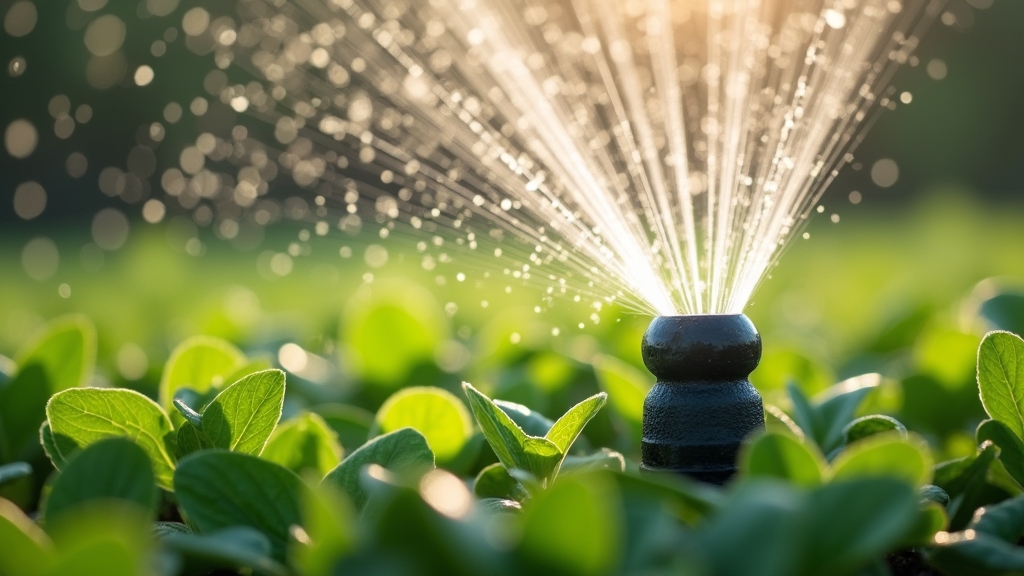
Now, the important part: if you want to professionalize your garden and save water, drip irrigation is the gold standard. This system uses a network of plastic tubing and small emitters to deliver water directly to the root zone of each specific plant. It operates on low pressure and can be easily automated.
The Efficiency Factor
This is where it gets interesting. Drip irrigation is roughly 90% efficient because it eliminates evaporation and runoff. Since the water is delivered slowly, the soil has time to absorb every drop. You aren't watering the paths or the weeds; you are only watering the plants you want to grow.
Detailed Pros and Cons
The good news is that once a drip system is installed, your daily workload drops to nearly zero. Your plants receive consistent moisture, which prevents the stress of the "wilt-and-soak" cycle. However, the downside is the initial complexity. It takes time to design the layout, cut the tubes, and place the emitters. There is also the maintenance factor; emitters can clog with mineral deposits or be chewed through by thirsty squirrels.
Best Use Cases
Drip irrigation is the ideal choice for vegetable gardens, permanent landscape beds, and orchards. It is especially valuable in regions with water restrictions or for homeowners who travel frequently and can't rely on manual labor.
The Middle Ground: Soaker Hoses
If you find drip irrigation too complex but hand watering too tedious, soaker hoses are a fantastic compromise. These are porous hoses, often made from recycled rubber, that "sweat" water along their entire length. You simply snake them through your garden beds and turn on the tap.
Advantages of Soaker Hoses
They are incredibly easy to install. You don't need to be a plumber or a DIY expert; you just hook it to your faucet and lay it out. Because they sit on the ground (often hidden under a layer of mulch), they deliver water directly to the soil, keeping the foliage dry and reducing disease risk.
Disadvantages to Consider
Something to keep in mind is that soaker hoses don't work well on slopes. Gravity will pull the water to the lowest point, leaving the plants at the top of the hill bone-dry. They also have a limited lifespan; the rubber can degrade in the sun, and the tiny pores can clog over two or three seasons. They also lack the precision of drip emitters, meaning you might end up watering the empty space between plants.
Best Use Cases
I recommend soaker hoses for densely planted rows, such as a hedge of boxwoods or a straight line of tomato plants. They are also excellent for established perennial borders where the foliage is too thick to easily navigate with a hose.
Cost Comparison
Budget is always a factor in any home improvement project. Here is a breakdown of what you can expect to spend:
- Hand Watering: $20 - $50 for a high-quality hose and multi-pattern nozzle. No recurring costs other than your water bill.
- Soaker Hoses: $30 - $100 depending on the length of the garden. Expect to replace the hoses every 3-5 years.
- Drip Irrigation: $150 - $500 for a DIY kit or custom parts for a medium garden. If you hire a professional, this can range from $1,000 to $3,000. It is a significant upfront investment but pays for itself in water savings and plant longevity.
Critical Factors: Timing and Soil Health
Regardless of the method you choose, the timing is non-negotiable. Always water in the early morning. This allows the water to soak in before the sun gets high enough to cause evaporation, and it gives any stray water on the leaves time to dry before nightfall, preventing mold. Worth mentioning is that deep, infrequent watering is always better than shallow, daily sprinkles. You want the roots to grow deep into the ground to find moisture, which makes the plant more resilient during heat waves.
Final Recommendation
After seeing hundreds of gardens thrive and fail, my recommendation usually depends on your goals. If you are a hobbyist with a few pots on the porch, stick to hand watering. If you are looking for a quick, seasonal fix for a flower bed, soaker hoses are your best friend. But, if you are serious about long-term gardening and want the healthiest plants with the least amount of water waste, invest the time and money into a drip irrigation system. It is the single best upgrade you can make for your outdoor space.