The Foundation of Energy Efficiency: Attic Insulation
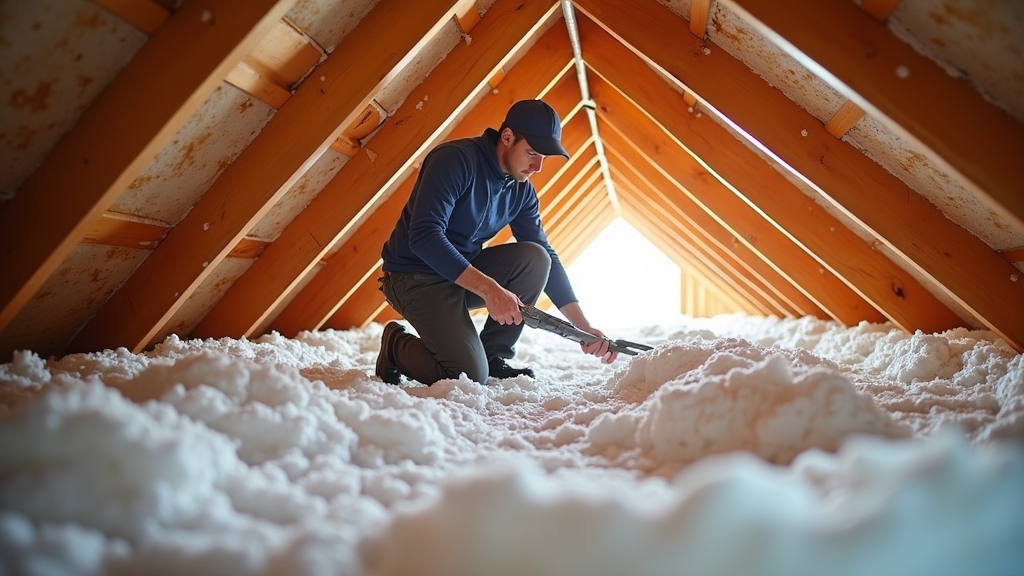
In my ten years of crawling through dusty crawlspaces and sweltering attics, I have learned one thing for certain: your attic insulation is the single most important factor in your home's comfort. It is easy to ignore because you do not see it every day. However, when your AC runs constantly in July or your toes feel like ice in January, the culprit is often found right above your head. Upgrading your insulation is not just about comfort; it is about protecting your home's structure and your wallet.
Take your time with this decision. It is worth doing right the first time because fixing a bad insulation job is messy and expensive. I have seen homeowners rush into a DIY project only to realize they blocked their soffit vents or covered their recessed lights, creating a fire hazard. Small details matter here. Let’s look at the three most common methods for an attic insulation upgrade and see which one fits your specific house.
Fiberglass Batts: The Traditional Choice
Fiberglass batts are the large, pink rolls you see at every hardware store. They are made of fine glass fibers and come in pre-cut widths designed to fit between standard joists. In my experience, this is the go-to for many DIY enthusiasts because it is easy to transport and requires no special machinery.
Pros of Fiberglass Batts
- Low material cost compared to other options.
- Easy to install yourself if you are meticulous about the fit.
- Non-combustible and naturally fire-resistant.
- Does not settle over time like loose-fill materials.
Cons of Fiberglass Batts
- Air can still move through the fibers, meaning it does not stop drafts.
- Very difficult to install around wiring, pipes, and irregular joist spacing.
- Gaps as small as half an inch can reduce the overall R-value by 25% or more.
- Glass fibers irritate the skin, eyes, and lungs during installation.
Blown-in Cellulose: The Practical Professional’s Favorite
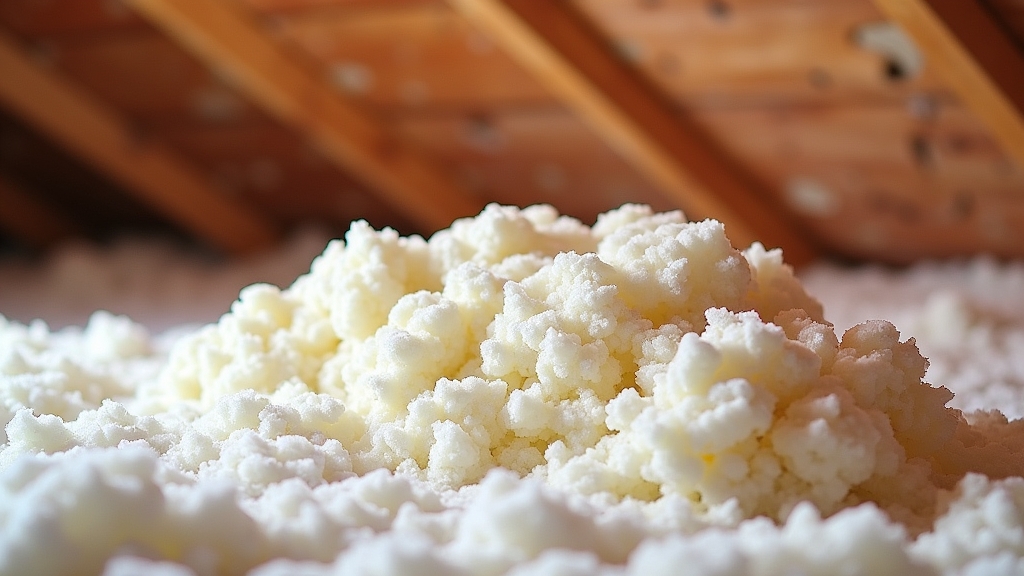
Cellulose is made from recycled paper, usually old newspapers, treated with boric acid for fire and pest resistance. It is blown into the attic using a large machine and a long hose. I often recommend this for older homes with irregular joist spacing or lots of obstructions. It fills the nooks and crannies better than batts ever could.
Pros of Blown-in Cellulose
- Superior coverage that fills gaps around wires and pipes.
- Higher R-value per inch (about 3.5 to 3.8) compared to fiberglass (2.2 to 2.7).
- Excellent sound-dampening qualities.
- Environmentally friendly since it uses recycled materials.
Cons of Blown-in Cellulose
- It is incredibly dusty during installation.
- It can settle over 10-15 years, requiring a "top-off."
- If it gets wet from a roof leak, it becomes heavy and loses its insulating properties.
- Requires a two-person team and a machine rental for DIYers.
Spray Foam: The High-Performance Upgrade
Spray foam is a chemical product that expands upon contact with the surface. There are two types: open-cell and closed-cell. In most residential attics, we apply it directly to the underside of the roof deck rather than the floor. This creates a "conditioned attic." This is a premium option, and while I trust my instincts on many DIY projects, this one is strictly for professionals.
Pros of Spray Foam
- Provides a complete air seal, stopping all drafts.
- Closed-cell foam adds structural strength to the roof.
- Highest R-value per inch (up to 6.5 or 7.0 for closed-cell).
- Does not settle, sag, or degrade over time.
Cons of Spray Foam
- The most expensive option by a significant margin.
- Requires professional installation with specialized safety gear.
- Can hide roof leaks, making them harder to detect until damage is severe.
- Off-gassing requires the family to leave the house for 24-48 hours.
Cost and Performance Comparison
When comparing home insulation options, you have to look at the "installed cost" versus the long-term savings. For a standard 1,000-square-foot attic, here is what I typically see in the field:
- Fiberglass Batts: $1,200 - $1,800. Best for those on a tight budget who can do the labor themselves.
- Blown-in Cellulose: $1,500 - $2,500. This is the sweet spot for most homeowners in terms of value and performance.
- Spray Foam: $4,000 - $7,000+. This is a long-term investment for those staying in their home for 10+ years.
Best Use Cases for Each Method
Every home is different. I’ve worked on 100-year-old farmhouses and brand-new suburban builds, and the right choice depends on your specific attic floor. Do not rush the process; look at your attic's layout before buying materials.
When to choose Fiberglass Batts
Use batts if your attic is wide open with no existing insulation and standard joist spacing (usually 16 or 24 inches on center). It is also a good choice if you only need to add a single layer over existing insulation to reach a higher R-value.
When to choose Blown-in Cellulose
Choose cellulose if your attic has a lot of "clutter"—wiring, plumbing stacks, or irregular bracing. It is also the best choice for adding insulation over old, existing loose-fill without having to remove the old stuff first. It creates a seamless blanket that stops convective heat loss effectively.
When to choose Spray Foam
If you plan to use your attic for storage or if you have HVAC equipment (like an air handler) located in the attic, spray foam is the winner. By insulating the roof deck, you keep the attic temperature within 10 degrees of your living space. This makes your AC unit work much less, extending its lifespan.
The Technician’s Final Recommendation
After a decade in the field, here is my honest advice: If you are looking for the best bang for your buck, go with Blown-in Cellulose. Make sure you air-seal the attic floor first. I cannot stress this enough—move the old insulation aside and use canned foam to seal every wire hole, pipe penetration, and top plate. Small details matter here. If you skip air sealing, even the best insulation will not perform at its peak.
If you have the budget and plan to stay in the home forever, spray foam is a fantastic upgrade. However, for 90% of the homes I visit, a well-sealed attic with 15-18 inches of blown-in cellulose provides the comfort and savings people are looking for. Trust your instincts on this one; if a contractor tries to sell you a high-priced system without mentioning air sealing, they aren't giving you the full picture.