Understanding the Real Cost of Attic Insulation
In most homes, the attic is the single biggest source of energy loss. Over the 15 years I have spent working on my own properties, I have learned that the attic is also the most neglected space. We tend to focus on kitchen remodels or new flooring, but a solid insulation upgrade pays for itself faster than almost any other project. The real issue usually is that homeowners aren't sure which material offers the best return on investment. It is not just about the price per square foot; it is about the long-term performance and the complexity of the installation process.
When you start looking into attic insulation, the numbers can be all over the map. You might see a cheap roll of fiberglass at the big-box store and assume the project is a weekend bargain. However, once you factor in air sealing, venting, and the physical toll of crawling through rafters, the math changes. What works best is a strategy that balances your local climate requirements (R-value) with your actual budget and DIY skill level.
The Main Contenders: A Material Overview
There are three primary ways to insulate an attic today. Each has a specific profile regarding cost, installation difficulty, and thermal performance.
Fiberglass Batts and Rolls
This is the traditional 'pink stuff' most people recognize. It comes in pre-cut widths designed to fit between standard joist spacing. From experience, this is the most common DIY choice because it is accessible and requires no specialized machinery. However, one thing many people overlook is that batts only work if they are cut perfectly. Any gaps around wires or pipes allow air to bypass the insulation entirely.
Blown-In Cellulose or Fiberglass
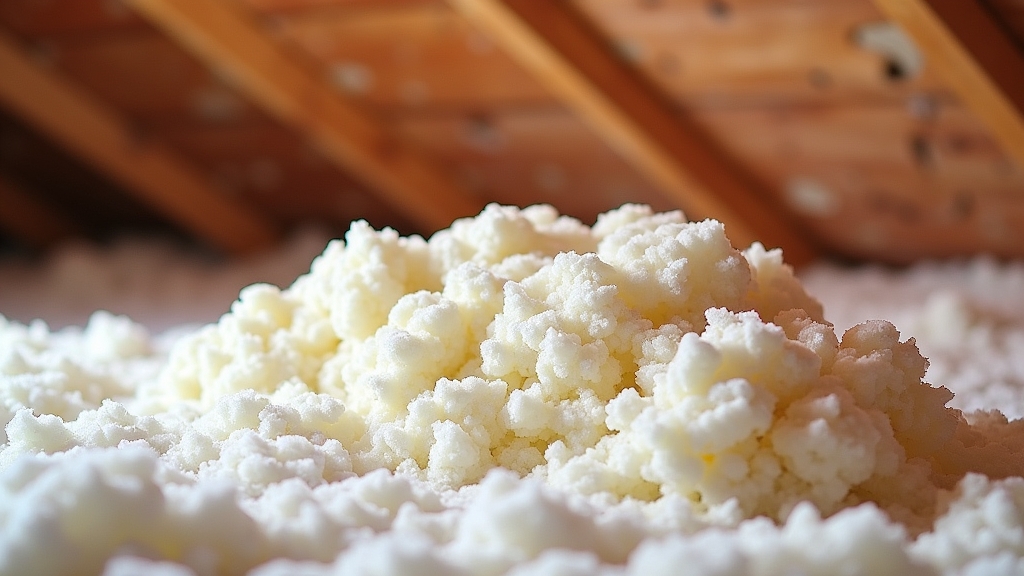
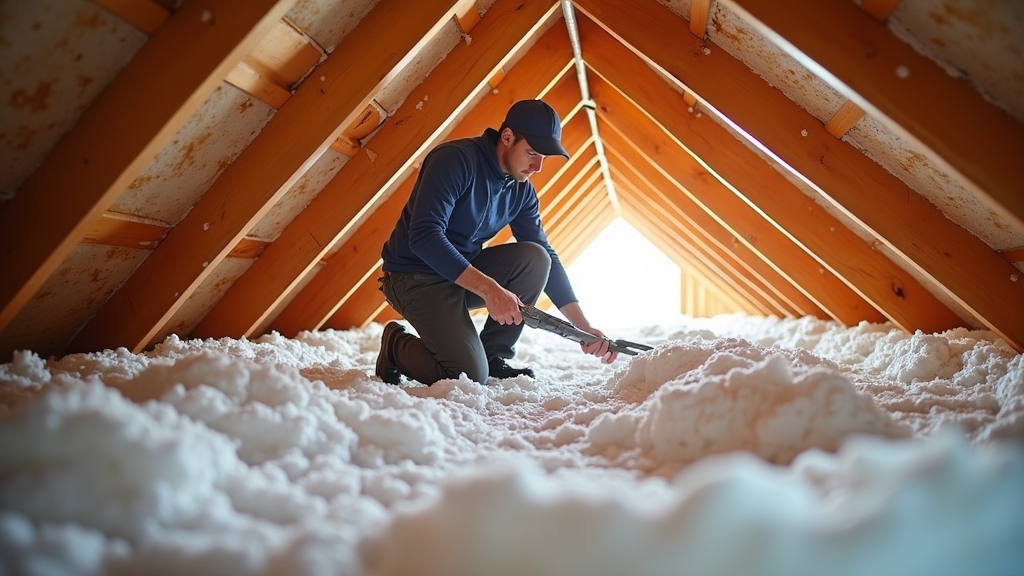
Blown-in insulation involves using a large machine to shred material and blow it through a long hose into the attic. Cellulose is made from recycled paper treated with fire retardants, while blown-in fiberglass consists of small glass fibers. In my experience, this is the best middle ground. It fills every nook and cranny much better than batts ever could. If you have a complex attic with lots of wiring and odd-shaped corners, this is often the most effective route.
Spray Foam Insulation
This is the premium option. It involves a chemical reaction that expands into a hard or semi-flexible foam. Unlike the other options, spray foam provides both insulation and an air seal in one step. While it is incredibly effective, it is rarely a DIY project due to the equipment and safety gear required. The key thing to remember here is that this is usually the most expensive choice up front, but it offers the highest R-value per inch.
Detailed Pros and Cons
Fiberglass Batts
Pros: Very affordable, easy to transport in a standard vehicle, and requires no special tools other than a utility knife and a straight edge. It is also non-combustible.
Cons: It is notorious for being itchy and irritating to the skin and lungs. It is also prone to 'thermal bridging' if not installed with a second perpendicular layer. If it gets wet from a roof leak, it loses its insulating properties and can harbor mold.
Blown-In Cellulose
Pros: Excellent coverage. It fills gaps around pipes and wires effortlessly. It has a higher R-value per inch than fiberglass batts. Many rental stores provide the blower machine for free if you buy a certain number of bags, making it very DIY-friendly for a two-person team.
Cons: It is dusty. You need a high-quality respirator and eye protection. Over decades, cellulose can settle, slightly reducing its R-value, though modern blends are much better about this than those from twenty years ago.
Spray Foam
Pros: Unmatched air sealing. It can be applied to the underside of the roof deck to create a 'conditioned attic,' which is great if your HVAC ducts are located in the attic. It doesn't sag or settle over time.
Cons: High cost. It requires professional installation. If the chemicals aren't mixed at the perfect ratio, it can result in lingering odors. Also, it makes finding roof leaks much harder because the foam can trap water against the wood decking.
Realistic Cost Comparison
When calculating your insulation upgrade, you have to look at the 'all-in' cost. Here is what I have found to be a realistic breakdown for an average 1,500 square foot attic space in the US.
Fiberglass Batts Cost
Material costs typically range from $0.60 to $1.10 per square foot depending on the desired R-value. For a 1,500 sq. ft. attic, you are looking at roughly $900 to $1,650 for materials. If you hire a pro, add another $1,000 to $1,500 in labor. From experience, this is the cheapest entry point, but it takes the most manual labor if you do it yourself.
Blown-In Cellulose Cost
Materials usually run between $0.80 and $1.20 per square foot. For our 1,500 sq. ft. example, expect to pay $1,200 to $1,800. Since many DIYers do this themselves with a rented machine, the labor cost is often 'sweat equity.' A professional crew might charge $2,000 to $3,000 total for the job, but they can often finish in half a day.
Spray Foam Cost
This is the big jump. Open-cell spray foam typically costs $1.50 to $2.50 per square foot, while closed-cell (which is denser and provides a vapor barrier) can cost $3.00 to $5.00 per square foot. For a 1,500 sq. ft. attic, a professional quote will likely land between $4,000 and $7,500. This is a significant investment that usually only makes sense if you plan to stay in the home for 10+ years.
Crucial Steps Many People Overlook
Before you lay down a single inch of insulation, there are two things you must do. One thing many people overlook is **air sealing**. Insulation is like a sweater; it keeps you warm but doesn't stop the wind. Air sealing is the windbreaker. You need to go into the attic with cans of expanding foam and seal every wire penetration, plumbing stack, and top plate. If you skip this, your new insulation will only be about 50% as effective as it should be.
The second key is **ventilation**. You cannot just bury your eaves in insulation. You must install baffles (foam or plastic channels) to ensure air can flow from your soffit vents up to your ridge vent. Without this, you will trap moisture in the attic, leading to mold and wood rot. In my experience, these two steps—sealing and venting—take more time than the actual insulating, but they are non-negotiable.
Final Recommendations Based on Your Situation
What works best depends on your specific goals. After years of seeing what works and what fails, here is my advice:
- If you are on a strict budget: Go with fiberglass batts. Buy the R-30 or R-38 rolls. Take the time to cut them precisely around every obstacle. It is tedious, but it is the most affordable way to see an immediate drop in your utility bills.
- If you want the best DIY bang-for-your-buck: Rent the blower and use blown-in cellulose. It provides much better coverage than batts and is significantly cheaper than spray foam. Get a friend to feed the machine while you handle the hose in the attic.
- If you are renovating a 'forever home': Invest in spray foam. The comfort levels and energy savings are superior, especially in extreme climates. It also adds structural rigidity to the roof.
- If you have existing insulation that is just 'thin': You can usually blow new cellulose or fiberglass right over the old stuff. Just make sure the old insulation isn't wet or moldy first.
Over the years, I have learned that insulation is a 'set it and forget it' project. If you do it right once, you never have to think about it again. Take the time to do the prep work, choose the material that fits your budget, and you’ll notice the difference the very first night the temperature drops.