The Reality of Bathroom Sealing
In my thirty years of swinging a hammer and managing job sites, I’ve seen more water damage caused by a $5 tube of caulk than by actual pipe bursts. People treat caulking like a cosmetic touch-up, something they can just smear on a Saturday afternoon and forget about. Here is the thing: if you don’t respect the physics of your bathroom, you’re just inviting bathroom mold to set up shop behind your tiles. A proper waterproof seal isn't about how steady your hand is; it's about the preparation and the chemistry of the bond.
Why Your Previous Caulk Jobs Failed
Most homeowners find themselves re-caulking every year because the previous layer peeled, cracked, or turned black with mildew. This rarely happens because of a bad product. It happens because of two main culprits: movement and moisture. Now, the important part to understand is that your bathtub moves. When you fill a tub with 40 gallons of water and climb in, that's hundreds of pounds of weight. If you caulk the tub while it's empty, the joint expands when the tub is full, stretching the sealant until it tears away from the wall. This creates a microscopic gap where water vapor enters, leading to the rot I’ve spent decades repairing.
The Wrong Material for the Job
What most people miss is the difference between acrylic latex and 100% silicone sealant. Latex is easier to clean up and apply, but it shrinks as it cures. In a high-moisture environment like a shower, that shrinkage leads to failure. For a long-term solution, you must use a high-quality silicone. It stays flexible for decades and doesn't support mold growth the way organic-based sealants do.
Removing Old Caulk: The Step Most People Skip
You cannot put new caulk over old caulk. It will not bond. This is where it gets interesting: most people stop when they see the big chunks are gone. But the invisible residue left behind is the real enemy. To get a professional-grade finish, you need to be surgical.
Mechanical Removal
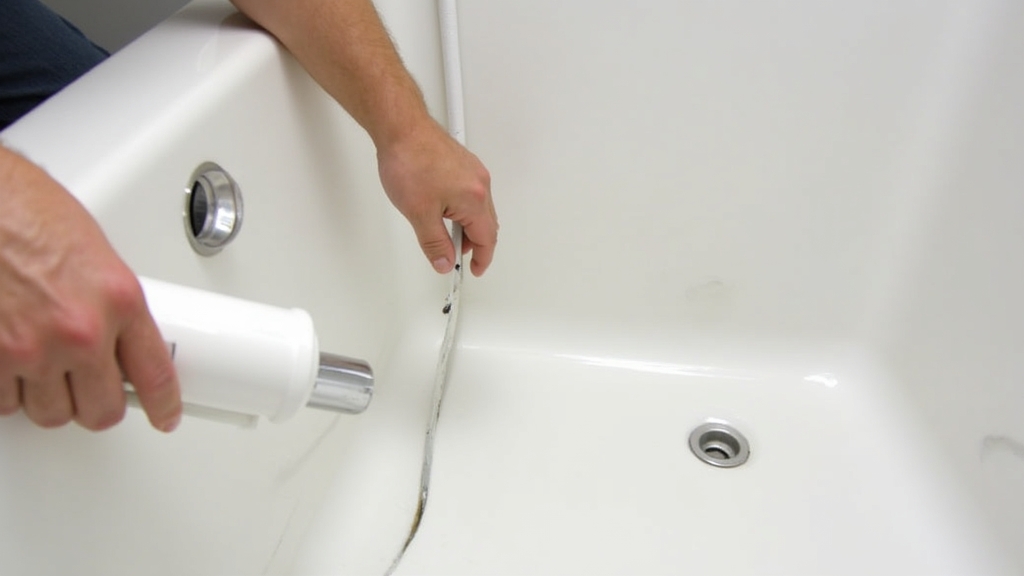
Start with a dedicated scraping tool or a sharp utility knife, but be careful not to scratch the finish of your tub, especially if it's acrylic or fiberglass. You want to get the joint down to the bare substrate. If there are bits of old silicone stuck in the pores of the tile, you haven't finished the job yet.
Chemical Cleaning and Killing Mold
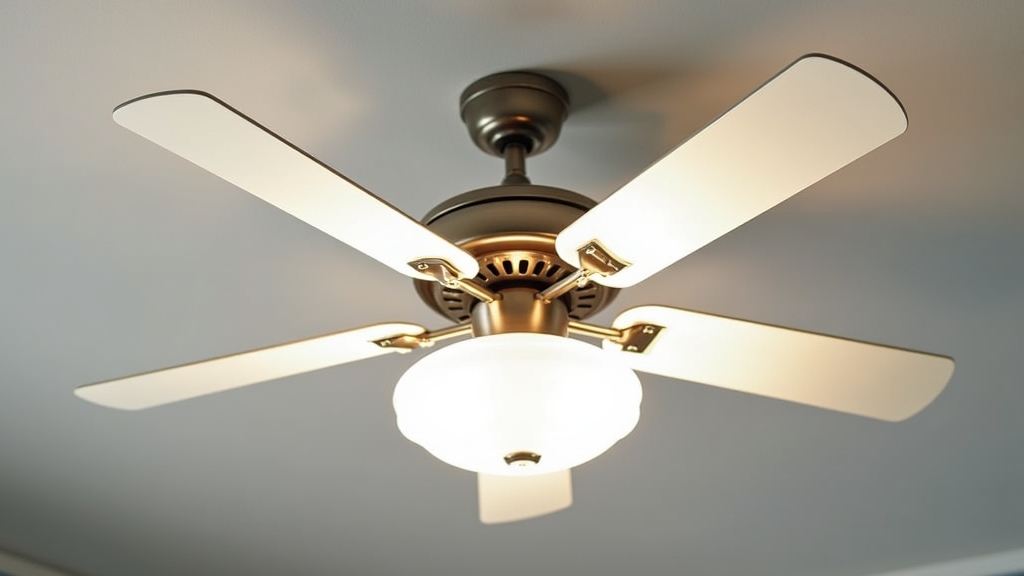
Once the physical pieces are gone, you need to address the spores. Even if you can't see it, bathroom mold is likely present. Wipe the joint down with a solution of bleach and water or denatured alcohol. Worth mentioning: let the area dry completely. If you trap moisture behind a new bead of silicone, you are essentially sealing in the seeds of future rot. I usually tell folks to run a fan in the bathroom for at least 12 hours before applying the new sealant.
The Professional Application Process
The good news is that once the prep is done, the actual application is the easy part, provided you follow a few trade secrets. First, fill the bathtub with water before you start. This 'pre-loads' the tub, opening the gap to its maximum width. When the caulk cures in this position, it will be compressed when the tub is empty, rather than stretched when it's full. Compression is always better for a seal's longevity than tension.
Sizing the Bead
Cut the nozzle of your tube at a 45-degree angle, making sure the hole is just slightly larger than the gap you're filling. Something to keep in mind: more caulk is not better. A massive, thick bead is harder to tool and more likely to peel at the edges. You want just enough material to bridge the gap and create a smooth, concave 'fillet' that sheds water.
The Art of Tooling
Don't use your dry finger. The oils on your skin can interfere with the bond, and you'll end up with a mess. Use a specialized smoothing tool or a finger dipped in a mixture of water and a tiny bit of dish soap. This allows you to glide over the silicone without it sticking to you, leaving a crisp, clean edge. On the other hand, if you are a beginner, using painter's tape to mask off the tub and the wall can help you achieve that perfect line. Just remember to pull the tape while the silicone is still wet.
Long-Term Prevention Strategies
A waterproof seal is only one part of the equation. To make a renovation last 20 years instead of two, you have to manage the humidity in the room. This means ensuring your bathroom fan is actually vented to the exterior, not just into your attic. I also recommend checking the grout lines above your caulking. If the grout is cracked, water will run down behind the tile and attack the caulk from the backside, causing it to delaminate.
When to Call a Professional
While most homeowners can handle a re-caulk, there are times when you're looking at a deeper issue. If the wall behind the tub feels 'spongy' when you press on it, or if you see tiles starting to tilt or pop out, the substrate is likely rotted. At that point, a new bead of silicone is just a Band-Aid on a broken bone. You'll need a contractor to pull back the tile and replace the cement board or drywall to ensure the structural integrity of the home.