Introduction to AC Condenser Maintenance
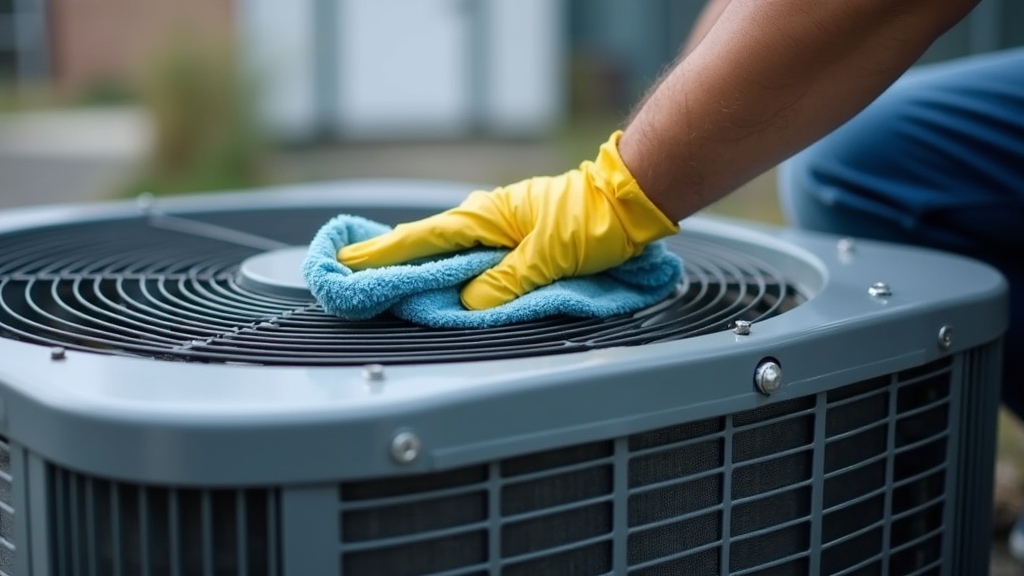
In most homes, the outdoor air conditioning unit is the most hard-working yet overlooked piece of equipment. Over the years, I have learned that a significant portion of service calls for 'poor cooling' could have been prevented by a simple cleaning of the condenser coils. These coils are responsible for releasing the heat collected from inside your home into the outside air. When they are clogged with grass clippings, dust, or cottonwood seeds, your system has to work twice as hard to achieve the same results.
What I have found is that homeowners often wait until the hottest day of the year to realize their unit is struggling. By maintaining your coils annually, you can improve cooling efficiency and prevent premature compressor failure. This guide covers the practical steps to cleaning your unit safely while avoiding the common mistakes that can lead to expensive repairs.
Essential Tools and Materials
Before you begin, gather everything you need. One thing many people overlook is that you do not need specialized high-pressure equipment. In fact, using the wrong tools is where most problems start.
- Garden hose with a spray nozzle: Avoid pressure washers at all costs.
- Soft-bristle brush: A long-handled brush or a dedicated coil brush works best.
- Screw driver or nut driver: Typically 1/4 inch or 5/16 inch for removing the top or side panels.
- Vacuum with a brush attachment: For removing loose debris before wetting the unit.
- Work gloves and eye protection: The aluminum fins are razor-sharp.
- Coil cleaning solution: Look for a non-acidic, self-rinsing or water-rinse alkaline cleaner if the unit is particularly greasy.
Preparation and Safety Steps
The key thing to remember when working on any HVAC equipment is safety. You are dealing with high-voltage electricity and moving parts.
Step 1: Shut Off the Power
In my experience, this is the most critical step. Locate the electrical disconnect box near the outdoor unit. It usually contains a pull-out switch or a circuit breaker. Pull the disconnect or flip the switch to the 'Off' position. For extra safety, I always recommend turning off the AC breaker at the main electrical panel inside the house as well.
Step 2: Inspect the Area
A common situation is finding overgrown shrubs or weeds crowding the unit. For an AC to breathe properly, it needs at least two feet of clear space around the entire perimeter. Clear away any tall grass, leaves, or mulch that has accumulated against the base of the unit.
Detailed Step-by-Step Cleaning Process
Now that the unit is safe to work on, follow these steps to ensure a deep clean without damaging the delicate components.
1. Remove the Outer Housing
Depending on your model, you may need to remove a wire cage or solid metal panels to access the coils. Use your nut driver to remove the screws. From experience, I suggest placing the screws in a small container so they don't get lost in the grass. If your fan is attached to the top panel, be very careful not to strain the electrical wires. You can often lean the top panel against a wall or have someone hold it while you work.
2. Dry-Clean the Debris
Before introducing water, use a vacuum with a brush attachment to remove loose dirt, cobwebs, and leaves. What works best is moving the brush gently in the direction of the fins (usually vertically). If you spray water directly onto thick layers of dust, it can turn into a mud-like paste that gets pushed deeper into the coil assembly.
3. Apply Cleaning Solution
If the coils are greasy or heavily soiled, apply your chosen coil cleaner. Follow the manufacturer's instructions regarding dilution. Start from the bottom and work your way up. Let it sit for the recommended time (usually 5-10 minutes), but do not let it dry completely on the coils.
4. Rinse the Coils
This is where most mistakes happen. Use a garden hose with a standard nozzle. Set it to a 'stream' or 'shower' setting. Never use a pressure washer. The high pressure will flatten the soft aluminum fins, blocking airflow and potentially ruining the unit. Start rinsing from the inside out if the fan is removed, or from the top down if rinsing from the outside. The real issue usually is trapped dirt between the fins, so take your time to ensure the water running out of the bottom is clear.
5. Straighten Bent Fins
As you clean, you might notice areas where the fins are crushed or bent. One thing many people overlook is that even a small section of bent fins can disrupt airflow. You can use a 'fin comb' (a specialized tool available at most hardware stores) to gently comb them back into a straight position.
Common Mistakes to Avoid
Over the years, I have seen many well-intentioned DIY projects end in a service call. Here are the pitfalls to avoid:
- Using Acidic Cleaners: While they make coils look shiny and new, acidic cleaners actually strip away a small layer of the aluminum. Over time, this thins the coils and can lead to refrigerant leaks. Stick to alkaline or pH-neutral cleaners.
- Flattening the Fins: As mentioned, pressure washers are the enemy. Even a high-pressure thumb-over-the-hose technique can be too much for older, brittle fins.
- Ignoring the Interior: If you only clean the outside, you're only doing half the job. Dirt often gets sucked through the fins and settles on the interior face of the coil.
- Rushing the Power-Up: Once you are finished, let the unit dry for a bit and ensure all panels are securely fastened before restoring power.
Tips for Best Results
To keep your system running at peak performance, consider these professional tips:
- Timing: Clean your coils in the early spring before the heavy cooling season begins.
- Filter Health: A clean outdoor coil won't help much if your indoor air filter is clogged. Always check both at the same time.
- Dog Urine Protection: If you have pets, keep them away from the unit. Dog urine is highly acidic and will corrode aluminum coils very quickly, often beyond repair.
- Level the Unit: While you're there, check if the pad the AC sits on has shifted. A unit that isn't level can cause oil to settle incorrectly in the compressor or cause vibration damage.
Troubleshooting Common Issues
If you've cleaned your coils and the system still isn't cooling properly, the problem may be deeper. If the unit is vibrating excessively, a fan blade might be out of balance or a screw might be loose. If you see ice forming on the copper lines, you likely have an airflow issue inside the house (like a dirty evaporator coil or filter) or a refrigerant leak. In these cases, it's time to call a licensed technician.