The Critical Link Between Your Landscape and AC Efficiency
As a landscaping specialist, I spend my days ensuring the exterior of a home looks pristine. However, one of the most overlooked elements of a functional outdoor space isn't the mulch or the perennials—it’s the air conditioner condenser unit. This metal box is the heart of your home’s cooling system, and its ability to breathe directly impacts your comfort and your utility bills.
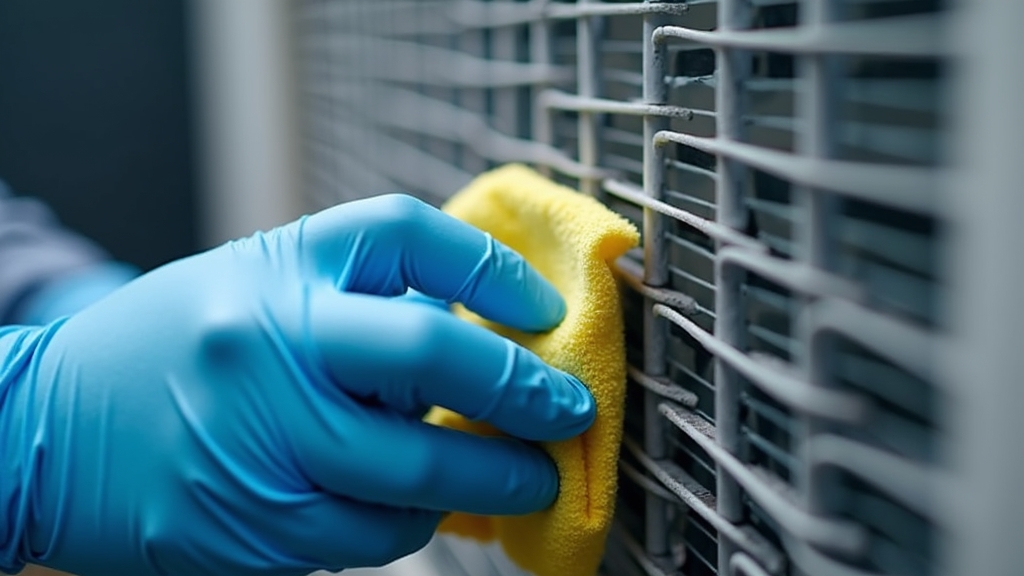
Over time, the delicate aluminum fins on your outdoor unit act like a magnet for grass clippings, pollen, dust, and spider webs. When these coils get caked in grime, the heat exchange process stalls. Your system has to work twice as hard to move heat from inside your home to the outside air. The good news is that cleaning your AC coils is one of the most effective ways to improve cooling efficiency without calling a technician for every minor clog.
The Direct Flush Method: Water Only
The most common approach for routine air conditioner maintenance is the direct water flush. This method involves using a standard garden hose to push debris out of the metal fins from the inside out. It is the gentlest way to maintain a unit and is often the first line of defense after a heavy pollen season or a particularly dusty summer.
Pros of the Water Only Method
- Zero cost for materials beyond your water bill.
- Lowest risk of damaging the delicate aluminum fins.
- Environmentally friendly with no chemical runoff into your flower beds.
- Quick enough to perform during your regular yard work routine.
Cons of the Water Only Method
- Insignificant for removing oily buildup or heavy grease.
- Cannot break down stubborn mineral deposits or calcification.
- Requires removing the top fan assembly to spray from the inside for best results.
The Chemical Foaming Method: Heavy Duty Cleaning
When a unit hasn't been touched in years, water alone usually won't cut it. This is where it gets interesting: specialized coil cleaners are designed to foam up upon contact. This expanding action pushes deep-seated dirt out of the center of the coil pack where a hose stream might not reach. These cleaners are typically alkaline or acid-based and are designed to liquefy organic matter and grime.
Pros of the Chemical Foaming Method
- Deep cleans the entire thickness of the coil.
- Eliminates persistent odors and microbial growth.
- Highly effective at removing grease, which is common if your unit is near a kitchen exhaust or a frequently used outdoor grill.
Cons of the Chemical Foaming Method
- Chemicals can be corrosive if not rinsed perfectly.
- Risk of damaging nearby landscaping or lawn if runoff isn't managed.
- Requires protective gear like gloves and eye protection.
The Mechanical Brush and Vacuum Method: Dry Cleaning
What most people miss is that sometimes adding water to a dirty unit creates a muddy paste that clogs the fins even further. The mechanical method involves using a soft-bristled brush and a vacuum with a brush attachment to remove loose debris before any liquids are introduced. This is particularly useful in desert climates or areas with high amounts of cottonwood seeds.
Pros of the Mechanical Method
- Prevents the formation of 'mud' inside the unit.
- Allows you to straighten bent fins simultaneously with a fin comb.
- Great for a quick surface-level cleanup.
Cons of the Mechanical Method
- Extremely tedious and time-consuming.
- High risk of accidentally bending or flattening the fins if you use too much pressure.
- Does not remove microscopic film or sticky residues.
Cost Comparison and Resource Investment
Now, the important part: how much will these methods set you back? Here is a breakdown of what to expect in terms of investment.
| Method | Estimated Cost | Time Investment | Skill Level |
|---|---|---|---|
| Water Flush | $0 | 30 - 45 Minutes | Beginner |
| Chemical Foam | $15 - $30 | 1 - 1.5 Hours | Intermediate |
| Mechanical/Vacuum | $10 - $25 (for tools) | 1 Hour | Beginner |
Detailed Comparison: Which Approach Should You Choose?
Choosing the right method depends largely on the environment surrounding your outdoor AC unit. If your unit is surrounded by decorative stone and stays relatively clean, a water flush every spring is likely sufficient. However, if you have heavy tree cover or a nearby dirt driveway, the chemical method becomes necessary to strip away the accumulated layers of organic film.
Something to keep in mind is the age of your unit. Older units may have brittle fins. In these cases, the mechanical brush method is often too aggressive, and a gentle chemical soak followed by a low-pressure rinse is the safest path. On the other hand, if you are a meticulous homeowner who stays on top of outdoor ac unit cleaning every month, a simple dry vacuuming of the exterior can prevent the need for deeper cleanings altogether.
Best Use Cases for Each Strategy
The Annual Refresh (Water Only)
Use this as your standard maintenance. After the first mow of the season, give the unit a spray. This keeps the dust from hardening into a shell. It’s the best choice for those who want to avoid chemicals near their prize-winning hostas or hydrangeas.
The "Neglected Unit" Rescue (Chemical Foam)
If you’ve just moved into a new home and the AC unit looks like it’s wearing a fur coat of dust, chemicals are the answer. This is also the go-to for units located near high-traffic roads where exhaust soot accumulates on the metal surfaces.
The Arid Environment Solution (Mechanical/Vacuum)
In dry, dusty regions, the dust is often fine and sandy. Vacuuming this out while it is dry is much more effective than turning it into a wet sludge that traps itself between the fins. Follow this up with a light water rinse only after the bulk of the material is gone.
Final Recommendation Based on Situation
Here is the thing: the best results usually come from a hybrid approach. Start by using a vacuum with a soft brush attachment to remove the "fur" from the outside of the unit. Next, if the unit hasn't been cleaned in over a year, apply a non-acidic foaming cleaner. Finally, rinse the entire assembly from the inside out using a gentle stream from a garden hose.
Worth mentioning—never use a pressure washer. The high-pressure stream will flatten the aluminum fins instantly, permanently restricting airflow and potentially requiring a costly replacement of the entire coil. Stick to the garden hose and let the chemistry or the brush do the heavy lifting.