Few things interrupt the rhythm of a well-functioning home like a clogged drain. Whether it is the bathroom sink pooling during your morning routine or a kitchen drain that refuses to clear after a family dinner, a slow drain is more than just a minor inconvenience—it is a signal that your home’s circulatory system is struggling. While the instinct is often to reach for a bottle of harsh chemicals, those quick fixes are frequently the enemy of long-term plumbing health. To truly solve the problem, we must look at the root causes and implement sustainable, practical solutions that preserve your pipes and your budget.
Root Causes and Contributing Factors
To fix a problem permanently, you first have to understand what is happening behind the walls. Drains don't just stop working overnight; clogs are usually the result of weeks, months, or even years of buildup. Taking your time to identify the specific type of buildup in your home is the first step toward a lasting solution.
The Kitchen Culprit: Fats, Oils, and Grease
In the kitchen, the primary enemy is "FOG"—fats, oils, and grease. Even if you aren't pouring a pan of bacon grease directly down the sink, small amounts from plates and cookware accumulate. When these substances hit cold pipes, they solidify, creating a sticky trap that catches food particles and eventually narrows the pipe's diameter until you have a total blockage.
The Bathroom Blockage: Hair and Soap Scum
In showers and bathroom sinks, the combination of hair and soap scum creates a waterproof, fibrous mat. Traditional bar soaps are often made with fats that react with minerals in the water to form a sticky film. This film binds hair together, creating a clog that is remarkably resilient to water pressure alone.
Mineral Buildup and Hard Water
If you live in an area with hard water, calcium and magnesium deposits (scale) can form inside your pipes. This mineral buildup acts like plaque in an artery, gradually constricting the flow. Unlike organic clogs, mineral deposits cannot be cleared with simple plungers or enzymes; they require mechanical or chemical descaling.
Immediate Steps to Take for a Slow Drain
When you notice a slow drain, the clock is ticking before it becomes a full emergency. Trust your instincts—if it feels like the water is receding slower than usual, it’s time to act. It is worth doing right the first time rather than performing a halfway fix that leaves you with a flood tomorrow.
The Mechanical Approach: Manual Removal
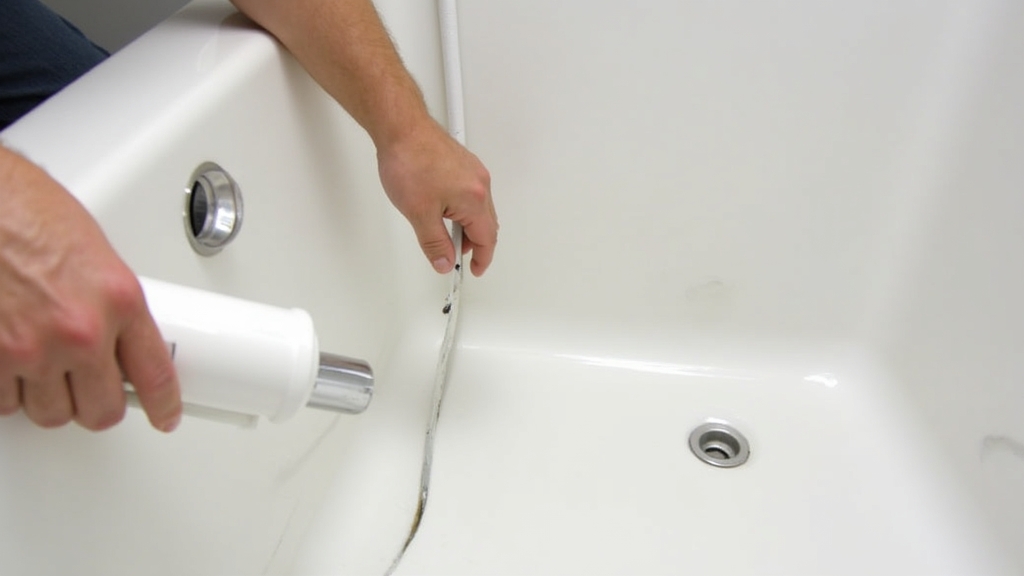
The most effective immediate solution is physical removal. For bathroom sinks, a simple plastic "zip tool" or a plumbing snake can pull out hair clogs within minutes. This is a "messy but necessary" job that provides instant relief without introducing corrosive chemicals into your plumbing system.
Proper Plunging Technique
Most homeowners use a plunger incorrectly. To clear a clogged drain in a sink, you must create an airtight seal. If you are working on a double kitchen sink, you must plug the other side. If it's a bathroom sink, cover the overflow hole with a damp rag. Use firm, rhythmic strokes. It is the suction, not just the pressure, that dislodges the clog.
The Natural Boiling Flush
For kitchen drains suspected of grease buildup, boiling water can sometimes melt the blockage enough to move it along. However, be cautious if you have PVC pipes, as boiling water can soften some joints. A gallon of very hot (not quite boiling) water mixed with a bit of dish soap can help emulsify grease and clear minor slowdowns.
Long-Term Prevention Strategies
At the heart of interior design and home management is the concept of "livability." A livable home is one where maintenance is proactive, not reactive. By focusing on these small details, you can virtually eliminate the need for drain cleaning services.
Installing High-Quality Drain Screens
The most effective long-term solution is also the cheapest: a mesh drain strainer. These simple tools catch hair and food scraps before they ever enter the pipe. Look for stainless steel options that fit snugly; a loose strainer is almost as bad as no strainer at all.
Enzymatic Cleaners vs. Chemical Cleaners
Avoid the "liquid fire" products found in hardware stores. These contain sulfuric acid or lye, which generate intense heat that can crack porcelain and melt plastic pipes. Instead, use enzymatic cleaners once a month. These products contain bacteria and enzymes that "eat" organic matter like hair and grease. They are slower but safer for your pipes and the environment.
The Monthly Maintenance Routine
Small details matter here. Once a month, perform a maintenance flush. Pour half a cup of baking soda down the drain, followed by half a cup of white vinegar. Let it sit for 30 minutes, then flush with plenty of hot water. While this won't clear a major blockage, the bubbling action helps scrub the pipe walls and prevent film from building up.
When to Call a Professional
Sometimes, despite our best efforts, the problem lies deeper than a DIY fix can reach. Knowing when to stop is a skill in itself. If you experience any of the following, it is time to call a licensed plumber:
- Multiple Clogged Drains: If your shower backups when you flush the toilet, you likely have a main sewer line issue.
- Foul Odors: A persistent smell of sewage indicates a venting issue or a broken pipe.
- Recurring Clogs: If you clear a drain and it clogs again within a week, there is a structural issue or a deep-seated blockage (like tree roots) that needs professional equipment.
- Water Backing Up: If water comes up through a drain when you haven't been using it, this is a serious plumbing emergency.
Conclusion
Maintaining clear drains is a fundamental part of practical home improvement. By shifting your focus from quick chemical fixes to mechanical removal and preventative maintenance, you protect your home's infrastructure and save money in the long run. Take your time with these routines; the peace of mind that comes with a perfectly functioning home is well worth the effort.