Understanding the Real Source of Clogged Drains
As someone who has overseen the maintenance of dozens of rental properties and single-family homes, I have seen every possible way a pipe can fail. Most homeowners treat a clogged drain as a one-time nuisance, but the reality is that a slow drain is usually a symptom of a much larger, ongoing issue within your plumbing system. When you pour a chemical cleaner down the sink, you aren't fixing the problem; you are essentially putting a small hole in a large wall of debris. It might flow for a week, but the obstruction remains.
The good news is that most plumbing emergencies are entirely preventable. By understanding the physics of your pipes and the chemistry of what goes down them, you can move away from temporary fixes and toward long-term reliability.
Root Causes and Contributing Factors
Here is the thing: your drains are designed to carry two things—water and organic waste. Anything else is an intruder. Over the years, I’ve identified several primary culprits that lead to those midnight calls to the plumber.
Fat, Oil, and Grease (FOG)
This is the leading cause of kitchen clogs. What most people miss is that oil doesn't stay liquid once it hits your pipes. Even if you flush it with hot water, that grease eventually cools down and solidifies against the pipe walls. Over time, it acts like a magnet, catching food particles and coffee grounds until the pipe is completely restricted.
Hair and Soap Scum
In the bathroom, the dynamic changes. Hair is remarkably resilient and doesn't decompose quickly. When mixed with soap scum—which is actually a waxy substance formed when minerals in your water react with soap—it creates a structural web. This web catches skin cells and more hair, eventually forming a dense plug that requires mechanical removal.
The Myth of Flushable Wipes
Now, the important part: just because a product says it is 'flushable' doesn't mean it should be flushed. These wipes do not break down like toilet paper. In a property management context, these are responsible for more basement backups than almost any other factor. They snag on small imperfections in the pipe and create a dam.
Mineral Scale Accumulation
Something to keep in mind is the impact of hard water. If you live in an area with high mineral content, calcium and magnesium will slowly build up on the inside of your pipes. This narrows the diameter of the drain, meaning even a small amount of debris that would normally pass through now causes a total blockage.
Immediate Steps to Take When a Drain Slows
When you notice a slow drain, your reaction time matters. Ignoring it will lead to a complete backup, often at the most inconvenient time possible.
Mechanical Agitation First
Before reaching for any liquids, try to physically move the clog. A standard cup plunger works for sinks, while a flange plunger is necessary for toilets. The goal isn't just to push; it's to create suction that breaks the seal of the clog. This is where it gets interesting: many people plunge too fast. Slow, deliberate strokes that maintain a seal against the porcelain are far more effective.
The Natural Heat Method
For kitchen clogs suspected of being grease-based, boiling water is your best friend. However, you must be careful if you have PVC pipes, as excessive heat can soften the joints. Use very hot, but not boiling, water for plastic pipes. Pouring this down the drain can often melt the outer layer of a grease clog enough to get things moving again.
Manual Extraction
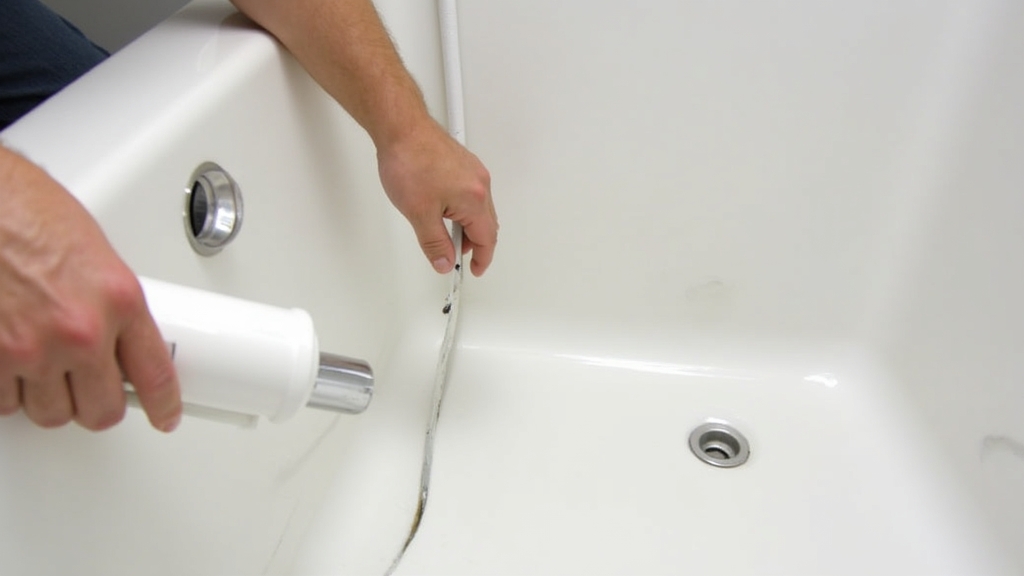
In bathrooms, the clog is usually within the first few inches of the drain. Using a simple plastic zip tool or even a bent wire hanger to pull out hair clumps can solve the problem in seconds without the need for harsh chemicals that can erode your pipes over time.
Long-Term Prevention Strategies
In my experience, the best way to handle a clogged drain is to ensure it never happens in the first place. This requires a shift in household habits and a few minor hardware upgrades.
Install Mesh Strainers
This is perhaps the cheapest and most effective fix I’ve ever implemented. Installing high-quality stainless steel mesh strainers in every tub and shower prevents hair from ever entering the system. In the kitchen, a strainer prevents those 'stray' food scraps from accumulating in the P-trap.
The Monthly Maintenance Flush
Worth mentioning is the 'baking soda and vinegar' myth. While it looks like it's doing a lot because of the fizzing, it rarely dissolves a heavy clog. On the other hand, using a half-cup of baking soda followed by hot water once a month can help deodorize and scour the pipe walls of minor buildup before it hardens.
Cold Water with the Disposal
If you use a garbage disposal, always run cold water. Hot water melts fats, allowing them to travel further into your plumbing before they solidify. Cold water keeps those fats solid, allowing the disposal to grind them into tiny particles that can be carried all the way out to the main sewer line.
When to Call a Professional
There comes a point where DIY methods are no longer safe or effective. Knowing when to stop can save you thousands in avoided pipe repairs.
Recurring Clogs in the Same Spot
If you find yourself plunging the same sink every two weeks, you have a deep-seated obstruction or a structural issue with the pipe, such as a belly or a root intrusion. A professional with a sewer camera is the only way to diagnose this accurately.
Multiple Clogged Fixtures
If your shower bubbles when you flush the toilet, or if multiple drains are slow at once, the problem is in your main stack or the lateral line leading to the street. This requires heavy-duty equipment that can cause serious injury if used by an untrained person.
The Presence of Sewer Gas
If you smell a foul, sulfur-like odor, your venting system may be blocked, or a trap has dried out. This is a health hazard and requires an expert to ensure your home’s air quality remains safe.