{ "title": "Drywall Repair Costs: DIY Patching vs. Pro Services", "slug": "drywall-repair-cost-analysis", "excerpt": "Learn the real costs of drywall repair. Compare DIY wall hole patches with professional services to find the most sustainable and cost-effective solution for your home.", "content": "
Understanding the True Cost of Drywall Repair
Drywall repair is an essential skill for any homeowner interested in maintaining an efficient, well-insulated house. While small wall holes might seem like minor cosmetic flaws, they can affect your home's thermal envelope and lead to moisture issues if left unaddressed. Taking the time to fix these issues correctly prevents larger, more expensive problems down the road. It is worth doing right the first time to ensure your walls remain airtight and structurally sound.
When faced with damage, homeowners must decide between a DIY drywall patch and hiring a professional. This decision impacts your budget, your schedule, and the environmental footprint of the repair. This guide breaks down the realistic costs of both paths, helping you choose the most sustainable option for your specific situation.
The DIY Approach: Costs and Considerations
For most minor wall holes, a DIY approach is the most eco-friendly and cost-effective choice. It reduces the carbon footprint associated with a contractor’s travel and allows you to control the materials used. You can choose low-VOC (volatile organic compound) joint compounds to maintain better indoor air quality.
Materials for Small Repairs
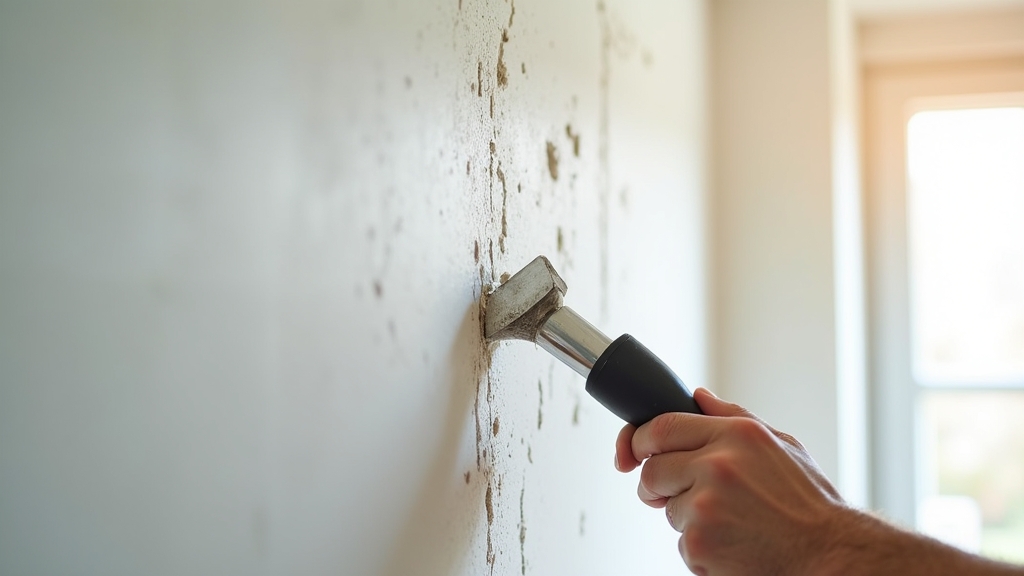
Small holes, such as those from nails or door handles, require minimal supplies. You likely have some of these tools in your garage already. Trust your instincts on whether a hole is small enough for a simple spackle fix or if it needs a structural patch.
- Spackle or Joint Compound: $10 - $15 per quart.
- Putty Knife: $5 - $8.
- Sanding Sponge: $3 - $5.
- Adhesive Mesh Patch: $5 - $10.
Total DIY Small Repair Cost: $23 - $38
Materials for Large Repairs
Large holes, such as those caused by plumbing repairs or accidents, require more substantial materials. You will need a piece of replacement drywall, joint tape, and a larger bucket of compound. Small details matter here; ensure you buy the correct thickness (usually 1/2 inch or 5/8 inch) to match your existing wall.
- Drywall Scrap or Small Panel: $10 - $20.
- Joint Tape (Paper or Fiberglass): $5 - $8.
- All-Purpose Joint Compound: $15 - $25.
- Drywall Saw: $10 - $15.
- Drywall Screws: $5 - $8.
Total DIY Large Repair Cost: $45 - $76
Hiring a Professional: When Does It Make Sense?
Sometimes, the damage is too extensive for a weekend project. If you have several rooms with damage or ceiling cracks that suggest structural settling, a professional provides the expertise needed for a seamless finish. While the upfront cost is higher, their efficiency can save you from wasting materials through trial and error.
Handyman Services
A local handyman typically charges by the hour or a flat fee for small "punch-list" items. This is a good middle ground for fixing 3 to 5 medium-sized wall holes in one visit. Most handymen have a minimum call-out fee to cover their travel and overhead.
- Labor Rate: $60 - $125 per hour.
- Typical Minimum Fee: $150 - $250.
Professional Drywall Contractors
Contractors specialize in large-scale drywall repair and installation. They are the best choice for water damage restoration or smoothing out textured walls. They bring heavy-duty dust collection systems, which are better for your home’s air quality than manual sanding.
- Cost per Square Foot: $2 - $4 for large areas.
- Single Room Repair: $300 - $600.
Detailed Comparison of Pros and Cons
DIY Repair
Pros:
- Lowest financial cost.
- Minimal waste if you buy only what you need.
- You gain a valuable skill for future home maintenance.
- Total control over the use of non-toxic materials.
Cons:
- Time-consuming for beginners.
- Dust management can be difficult without the right tools.
- Achieving a perfectly smooth finish requires practice.
Professional Repair
Pros:
- Flawless results that blend with the existing wall texture.
- Fast turnaround time.
- Professionals handle the mess and disposal of old materials.
Cons:
- Highest cost due to labor and travel overhead.
- Less control over specific material brands (VOC levels).
- Scheduling can be difficult for small jobs.
Cost Breakdown Summary
| Repair Type | DIY Estimated Cost | Professional Estimated Cost |
|---|---|---|
| Small Nail Holes (Multiple) | $20 - $30 | $150 - $200 (Minimum call-out) |
| Medium Hole (4-6 inches) | $35 - $50 | $200 - $300 |
| Large Section (2ft x 2ft) | $60 - $80 | $350 - $500 |
| Ceiling Water Damage | $100 - $150 | $500 - $1,200 |
Take your time when reviewing these estimates. Prices vary significantly based on your geographic location and the complexity of the texture on your walls. A smooth "level 5" finish will always cost more than a standard knockdown or orange peel texture.
Sustainable Best Practices for Drywall Repair
To align your repair with sustainable living, consider these steps. First, do not rush the process. Applying compound in thin layers prevents cracking and reduces the amount of sanding required. This minimizes indoor dust and saves material. Second, look for GREENGUARD Gold certified joint compounds. These products emit fewer chemicals, keeping your indoor air safe for your family.
If you are doing a DIY drywall patch, save your leftover scraps. Small pieces of drywall can be used for future "California patches." If you have excess joint compound, keep the lid airtight and store it in a temperature-controlled area to prevent it from drying out or freezing.
Final Recommendation: Which Should You Choose?
Your choice depends on the scale of the damage and your comfort level with tools. If you are dealing with a few small wall holes from hanging pictures, DIY is the clear winner. It is inexpensive, teaches you a new skill, and has the lowest environmental impact. Purchase a small container of lightweight spackle and a sanding block, and you can finish the job in under an hour.
However, if you have a hole larger than 12 inches or damage on a ceiling, it is often better to hire a professional. Ceiling repairs are physically taxing and technically difficult to hide. Hiring a pro ensures the repair is structurally sound and won't sag or crack later. For the most eco-friendly professional experience, look for local contractors who prioritize dust containment and use eco-conscious materials.
", "tags": ["drywall repair", "home maintenance", "DIY vs Professional", "sustainable home"], "readTime": 8, "metaTitle": "Drywall Repair Costs: DIY Patching vs. Pro Analysis", "metaDescription": "Compare the costs of DIY drywall patches versus hiring a professional. A realistic breakdown of materials, labor, and eco-friendly repair tips for your home.", "focusKeyword": "drywall repair", "faqs": [ { "question": "Is it cheaper to patch drywall yourself?", "answer": "Yes, patching drywall yourself is significantly cheaper. A small DIY repair kit costs under $30, whereas a professional handyman may charge a minimum fee of $150 to $250 just to show up. However, for large areas, the time and effort saved by a pro might outweigh the material savings." }, { "question": "How do I know if I need a professional for a drywall patch?", "answer": "If the hole is larger than 12 inches, involves a corner, or is located on the ceiling, consider a professional. These areas are harder to blend and require more structural support to prevent future cracking. Also, hire a pro if you have multiple rooms that need repair simultaneously." }, { "question": "What is the most sustainable way to dispose of drywall scraps?", "answer": "Drywall is primarily gypsum and paper. Some recycling centers accept clean drywall scraps to be processed into new wallboard or soil amendments. Avoid putting large amounts in the trash, as it can produce hydrogen sulfide gas in landfills. For small repairs, save scraps for future patches." }, { "question": "Does drywall repair create a lot of dust?", "answer": "Sanding joint compound creates fine dust. To minimize this, use a 'wet sanding' technique with a damp sponge or choose a low-dust joint compound formula. If you hire a professional, ask if they use HEPA-filtered vacuum sanders to maintain your home's air quality." } ], "tableOfContents": [ { "id": "understanding-the-true-cost-of-drywall-repair", "title": "Understanding the True Cost of Drywall Repair", "level": 2 }, { "id": "the-diy-approach-costs-and-considerations", "title": "The DIY Approach: Costs and Considerations", "level": 2 }, { "id": "materials-for-small-repairs", "title": "Materials for Small Repairs", "level": 3 }, { "id": "materials-for-large-repairs", "title": "Materials for Large Repairs", "level": 3 }, { "id": "hiring-a-professional-when-does-it-make-sense", "title": "Hiring a Professional: When Does It Make Sense?", "level": 2 }, { "id": "handyman-services", "title": "Handyman Services", "level": 3 }, { "id": "professional-drywall-contractors", "title": "Professional Drywall Contractors", "level": 3 }, { "id": "detailed-comparison-of-pros-and-cons", "title": "Detailed Comparison of Pros and Cons", "level": 2 }, { "id": "cost-breakdown-summary", "title": "Cost Breakdown Summary", "level": 2 }, { "id": "sustainable-best-practices-for-drywall-repair", "title": "Sustainable Best Practices for Drywall Repair", "level": 2 }, { "id": "final-recommendation-which-should-you-choose", "title": "Final Recommendation: Which Should You Choose?", "level": 2 } ] }