Restoring Your Walls: A Sustainable Approach to Drywall Repair
Drywall damage is an inevitable part of homeownership, whether it’s a small scuff from moving furniture or a significant hole from a plumbing repair. From a sustainable living perspective, repairing your walls instead of replacing entire panels is the ultimate form of conservation. It keeps usable gypsum out of landfills and reduces the demand for new manufacturing. However, when faced with wall holes, many homeowners wonder: should I fix this myself or call in a professional?
When tackling a repair, remember to take your time with this; a rushed job often leads to wasted materials and poor aesthetics. In this guide, we will break down the realistic costs of drywall repair and help you decide which path aligns with your budget and values.
The Two Paths: DIY Patching vs. Professional Service
1. The DIY Drywall Patch
DIY repair involves purchasing a kit or individual materials (joint compound, tape, and sandpaper) to fill small to medium gaps. It is the most eco-friendly option because it minimizes transportation emissions from service vehicles and allows you to choose low-VOC (volatile organic compound) materials.
2. Professional Drywall Repair
Hiring a contractor ensures a seamless finish, especially for large holes or ceiling repairs. Professionals often have specialized tools that minimize dust, though the cost is significantly higher due to labor and travel.
Detailed Pros and Cons
DIY Drywall Repair
- Pros: Extremely cost-effective; allows for the use of eco-friendly, dust-control compounds; gives you total control over the timeline.
- Cons: Steep learning curve for a "seamless" finish; can be messy without a vacuum-sander; physically demanding for ceiling work.
Professional Repair
- Pros: Guaranteed results; saves you hours of labor; professional-grade dust containment systems.
- Cons: High minimum service fees; less control over the specific brands/sustainability of materials used; scheduling wait times.
Regardless of the route you choose, it is worth doing right the first time. A patch that fails a year from now is a waste of both time and resources.
Realistic Cost Comparison
The financial difference between these two options is substantial. Here is a breakdown of what you can expect to pay for a standard 4-inch wall hole.
| Expense Item | DIY Approach | Professional Service |
|---|---|---|
| Materials | $15 - $40 | Included in labor |
| Tools (Saws, Knives) | $20 - $50 (One-time) | Included in labor |
| Labor/Service Fee | $0 | $150 - $350 |
| Total Cost | $35 - $90 | $150 - $350 |
Note: Most professionals have a minimum call-out fee, meaning you will pay roughly the same price for one small hole as you would for three or four. If you have multiple repairs, hiring a pro becomes more cost-effective.
Best Use Cases for Each Option
When to DIY
- Small nail pops or door handle dings.
- Holes smaller than 6 inches in diameter.
- When you have the patience to not rush the process of layering and drying.
When to Hire a Pro
- Water damage that requires replacing large sections of the wall.
- Ceiling repairs where gravity makes DIY patching difficult.
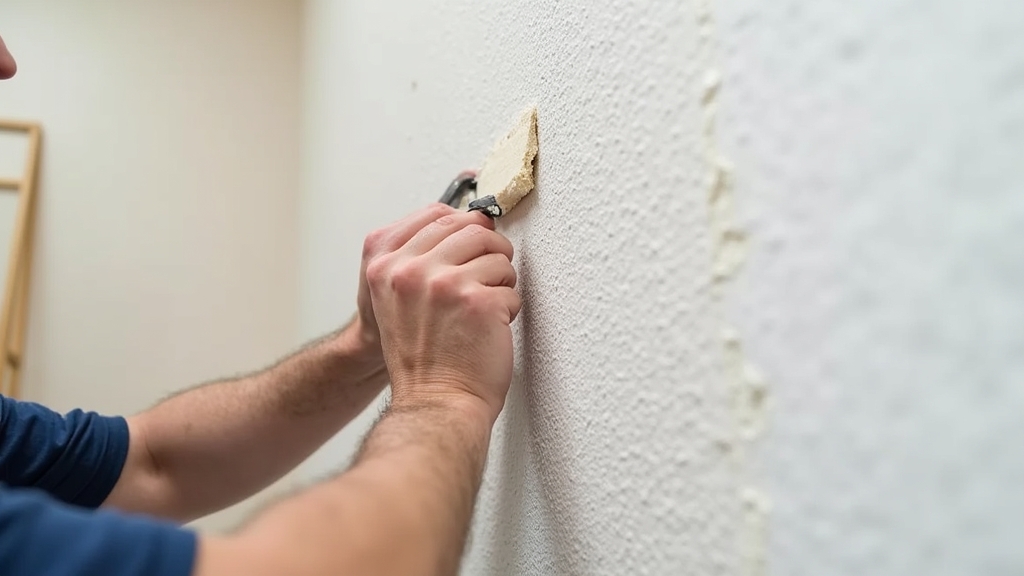
- Textured walls (popcorn or orange peel) that are notoriously hard to match.
When assessing a large hole, trust your instincts on this one. If the structural integrity of the wall feels compromised, a professional is the safer, more sustainable choice to prevent future issues.
Final Recommendation
For most eco-conscious homeowners, the drywall patch is a skill worth learning. It empowers you to maintain your home’s envelope without excessive spending. However, for large-scale damage, hiring a local pro who uses low-dust techniques is a responsible way to ensure the longevity of your home. Remember, those small details matter here—invest in high-quality sandpaper and a good primer to ensure your repair disappears into the rest of the wall.
Frequently Asked Questions (FAQs)
How long does a drywall repair take?
While the actual work takes about 30 minutes, the drying time for joint compound can take 24 hours between coats. Do not rush the process, as wet mud will crack if sanded or painted too early.
What are the most eco-friendly drywall materials?
Look for "Low-Dust" or "Low-VOC" joint compounds. Additionally, using fiber mesh tape made from recycled materials can reduce the environmental footprint of your repair.
Can I just use spackle for a large hole?
No. Spackle is meant for tiny pinholes. For actual wall holes, you need a drywall patch and joint compound to provide the necessary structural support.
Is it hard to match wall texture?
Yes, texture matching is the most difficult part of drywall repair. If you have heavily textured walls, practicing on a piece of scrap cardboard first is essential for a professional-looking finish.