Understanding Why Your Door Won't Stay Shut
There is nothing quite as frustrating as a door that simply refuses to click into place. Whether it’s a bedroom door that swings open on its own or a front door that requires a heavy shoulder lean to lock, a door that won't latch is a common household nuisance. Here is the thing: most people assume the door or the lock is broken, but in my ten years of inspecting homes, the issue is almost always a matter of simple physics and alignment.
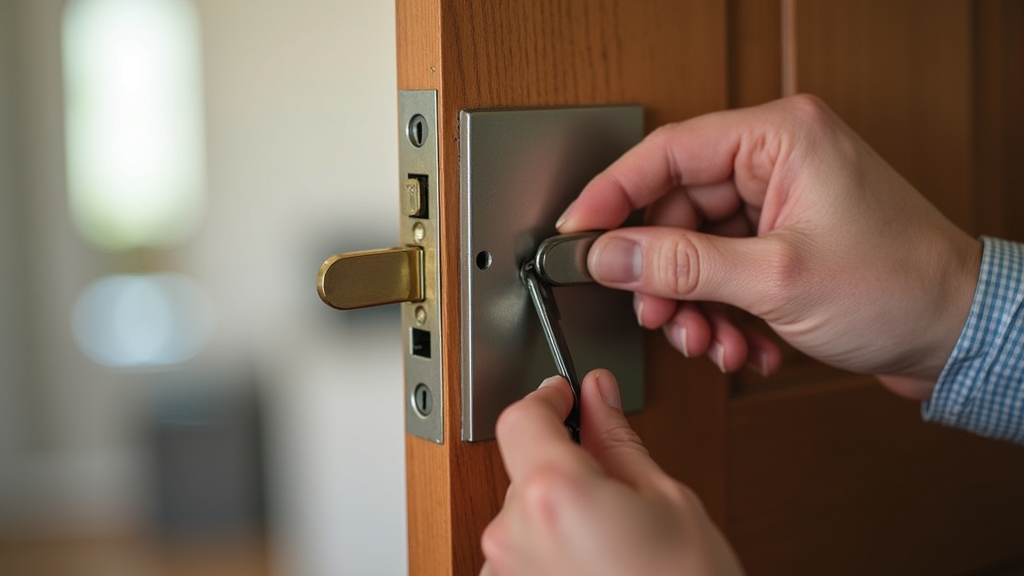
When a door won't latch, it means the latch bolt (the spring-loaded piece sticking out of the door) isn't finding its way into the hole of the strike plate (the metal plate on the door frame). Over time, houses settle, wood expands and contracts with the seasons, and hinges wear down. Now, the important part is identifying exactly where that alignment has failed before you start drilling new holes or buying replacement hardware.
Common Root Causes of Latch Failure
Before we dive into the fixes, we need to understand why this happens. Generally, the problem falls into one of three categories: sagging, seasonal swelling, or structural shifting.
1. Hinges and Sagging
What most people miss is that the hinges are the foundation of the door's movement. If the top hinge is loose, the entire door will tilt downward. This causes the latch to hit the bottom of the strike plate rather than the center. This is often referred to as a sagging door, and it is the primary culprit in older homes.
2. Seasonal Humidity and Wood Expansion
This is where it gets interesting. Wood is a porous material. During humid summers, it absorbs moisture and expands; in dry winters, it shrinks. If your door only fails to latch during certain months, you are likely dealing with seasonal expansion. This can push the door just far enough out of alignment that the latch no longer reaches the strike plate.
3. House Settling
Every house moves. As the foundation settles over decades, door frames can become slightly trapezoidal rather than perfectly rectangular. When the frame shifts, the strike plate moves with it, but the door stays attached to the wall. This misalignment is subtle but enough to prevent a secure latch.
Step-by-Step Diagnosis: Finding the Misalignment
The good news is that you don't need fancy diagnostic equipment to find the problem. You just need a little bit of observation and perhaps a piece of chalk or a marker.
- The Visual Check: Close the door slowly and watch where the latch hits the strike plate. Does it hit too high? Too low? Or does it not reach the hole at all?
- The Lipstick Trick: If you can't see the point of contact clearly, apply a little bit of lipstick or a dry-erase marker to the latch bolt. Close the door and try to latch it. The mark left on the strike plate will tell you exactly where the misalignment is occurring.
- Check the Gap: Look at the gap between the door and the frame (the reveal). It should be uniform all the way around. If the gap is wider at the top than the bottom, you have a sagging issue.
Permanent Fixes for Door Latch Alignment
Once you’ve identified where the latch is hitting, you can apply a long-term solution. On the other hand, if you just keep slamming the door, you risk damaging the internal components of the lockset.
Step 1: Tighten the Hinge Screws
Before moving any metal plates, check your hinges. Use a screwdriver to ensure every screw is tight. Something to keep in mind: if the screws just spin and don't tighten, the wood inside the hole is stripped. You can fix this by removing the screw, shoving a few glue-soaked toothpicks into the hole, snapping them off flush, and then re-driving the screw. This provides fresh wood for the threads to grip.
Step 2: The Long Screw Trick
This is a professional secret for fixing a sagging door. Replace one of the short screws in the top hinge (the one closest to the center of the jamb) with a 3-inch wood screw. Drive it all the way through the jamb and into the wall stud behind it. This pulls the entire door frame and the door itself upward and toward the hinge side, often correcting the latch alignment instantly.
Step 3: Strike Plate Adjustment
If the door is level but the latch is just a hair off, you may need to move the strike plate. If the misalignment is less than 1/8 of an inch, you can often use a small metal file to enlarge the hole in the strike plate. File down the edge where the latch is hitting until it clicks into place. This is often the most permanent fix for minor house settling.
If the misalignment is significant, you will need to unscrew the strike plate, use a chisel to expand the mortise (the recessed area where the plate sits), and move the plate up or down. Remember to fill the old screw holes with wooden dowels or toothpicks and wood glue before redrilling new ones, or the screws will just slip back into the old positions.
Long-Term Prevention Strategies
Fixing the door once is great, but preventing future issues is better. Worth mentioning is that regular maintenance can keep your doors swinging perfectly for years.
- Lubrication: Use a dry graphite lubricant on the latch bolt and inside the strike plate once a year. Avoid oil-based lubricants as they can attract dust and gum up the mechanism.
- Monitor Humidity: If you live in a climate with extreme seasonal changes, maintaining a consistent indoor humidity level with a dehumidifier or humidifier can prevent the wood from swelling.
- Paint Your Door Edges: Many people forget to paint the top and bottom edges of a door. Unfinished wood edges absorb moisture much faster than the rest of the door. Sealing these edges helps stabilize the wood.
When to Call a Professional
While most latch issues are DIY-friendly, there are times when a professional is necessary. If you notice large cracks in the drywall above the door frame, or if the door frame itself is visibly rotted, you may have structural issues or water damage that a simple screw adjustment won't fix. Additionally, if the door is made of metal or fiberglass and is warped, it may need to be replaced entirely, as these materials cannot be easily planed or adjusted like wood.