Understanding Why Your Door is Sticking
A sticking door is more than a minor inconvenience; it is often a symptom of environmental changes or structural shifts within a home. Much like tending to a delicate indoor plant, troubleshooting a door requires patience and a keen eye for small details. Before reaching for tools, it is essential to observe the door's behavior. Does it stick only during humid months? Does it sag toward the floor? Identifying the root cause—be it wood swelling, door alignment issues, or loose hinges—is the first step toward a permanent fix.
Take your time with this diagnostic phase. It is worth doing right the first time to avoid removing material from a door that simply needs a screw tightened. Trust your instincts; if the gap around the door looks uneven, the solution likely lies in the hardware rather than the wood itself.
Method 1: Hinge Adjustment and Alignment
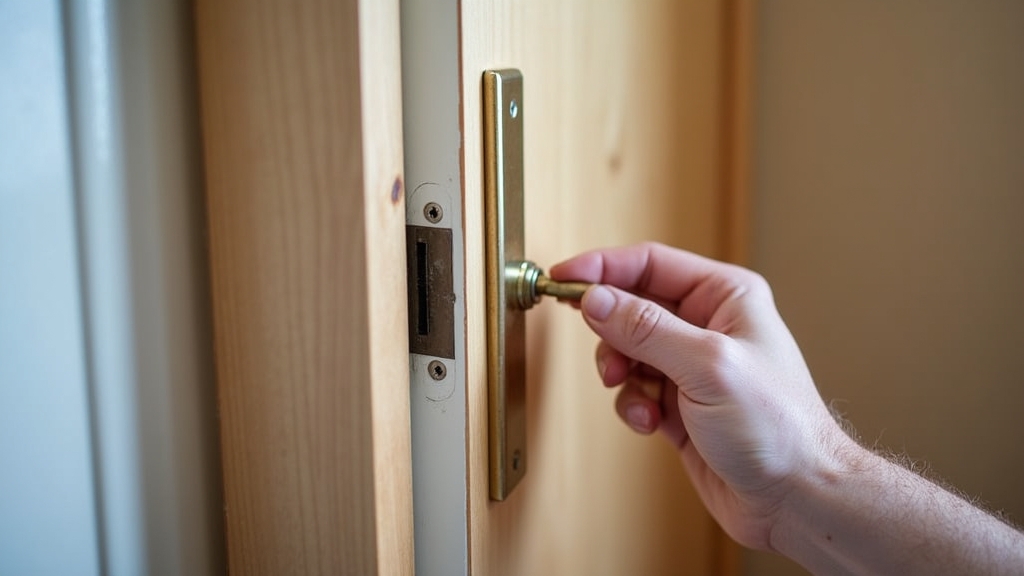
The most common cause of a sticking door is a shift in the hinges. Over time, the weight of the door can pull the top hinges away from the frame, causing the door to tilt. This results in the top corner of the door striking the jamb.
The Tightening Technique
Start by checking every screw in the hinge plates. If a screw spins without tightening, the wood inside the jamb may be stripped. A traditional fix involves inserting a small sliver of wood or a toothpick coated in wood glue into the hole, allowing it to dry, and then re-driving the screw. This small detail ensures a secure grip and proper door alignment.
Using Hinge Shims
If tightening the screws doesn't solve the alignment, you may need to use shims. By placing a thin piece of cardboard or specialized plastic shim behind the bottom hinge leaf, you can push the bottom of the door slightly toward the latch side, which lifts the top corner. This is a non-invasive method that preserves the integrity of the door's finish.
Method 2: Addressing Wood Swelling
In many regions, wood swelling is a seasonal occurrence. High humidity levels cause the wood fibers to absorb moisture and expand. If your door only sticks during the summer or rainy seasons, moisture is likely the culprit.
Sanding the Edges
When sanding a door, the goal is to remove only the minimum amount of material necessary. Use a medium-grit sandpaper (around 80 to 100 grit) and work slowly. It is helpful to mark the area where the door is rubbing with a pencil before you begin. Sand a little, then test the door. Do not rush the process; removing too much wood can leave a gap that is unsightly or drafty once the wood shrinks back in the winter.
Planing for Significant Expansion
If the swelling is severe, a hand plane may be required. This tool removes thin ribbons of wood. However, this should be a last resort. Ensure you seal any raw wood with paint or varnish immediately after planing to prevent the door from absorbing more moisture in the future.
Pros and Cons of Repair Methods
Hinge Adjustment
- Pros: Low cost, preserves the door's finish, reversible.
- Cons: Cannot fix issues caused by significant structural settling or severe wood expansion.
Sanding and Planing
- Pros: Provides a permanent solution for doors that are physically too large for their frames.
- Cons: Messy, requires refinishing/painting, irreversible if too much material is removed.
Realistic Cost Analysis
When deciding how to approach a sticking door, budget is a primary consideration. Below is a breakdown of what you can expect to spend for DIY repairs versus hiring a professional.
DIY Cost Breakdown
- Hinge Shims/Toothpicks: $0 - $10
- Sandpaper: $5 - $15
- Hand Plane (Entry-level): $25 - $50
- Wood Glue: $5 - $10
- Touch-up Paint/Sealer: $15 - $30
Total estimated DIY cost: $5 to $115, depending on the tools you already own.
Professional Cost Breakdown
Hiring a handyman or a carpenter ensures the job is done with precision, but it comes at a higher price point. Most professionals charge a service call fee plus an hourly rate.
- Service Call Fee: $75 - $150
- Labor (1-2 hours): $100 - $200
- Materials: Usually included or billed at a small markup.
Total estimated professional cost: $175 to $350 per door.
Best Use Cases for Each Method
Choosing the right method depends entirely on the situation. Small details matter here, so observe the door's gap carefully.
- Use Hinge Adjustment if: The gap is wide at the top and narrow at the bottom (or vice versa), or if you can see the hinge moving when the door swings.
- Use Sanding if: The door sticks only in a specific spot and the hinges are already tight and flush.
- Use Planing if: The door cannot close at all due to extreme wood swelling or if the house has settled significantly.
- Call a Professional if: The door frame itself is out of square, or if the door is a high-value antique or fire-rated entry door.
Final Recommendation
For most homeowners, the best approach is hierarchical. Always start with hinge adjustment. It is the least expensive and least risky method. If the door still sticks after the hinges are perfectly aligned, move to light sanding. Only use a plane or call a professional if these basic steps fail. Remember, your home is an ecosystem; changes in one area often affect another. By taking a slow, methodical approach, you can restore your door's function without unnecessary expense or damage.