Restoring Your Shower Experience
There is nothing quite as frustrating as stepping into the shower after a long day of outdoor work only to find a weak, trickling stream. As someone who spends their days designing irrigation systems and outdoor landscapes, I know that water pressure is the lifeblood of any plumbing fixture. Whether it is a sprinkler head or a luxury rain shower, the mechanics of flow remain largely the same. Often, the culprit isn't a massive plumbing failure but rather a gradual accumulation of minerals. This is where it gets interesting: most homeowners assume they need a brand-new fixture or a plumber right away, but many issues can be solved with a bit of patience and the right technique.
The DIY Approach: Tackling Mineral Buildup
In many regions, hard water is the primary enemy of consistent water flow. Over time, calcium and magnesium deposits settle inside the tiny openings of your fixture. This mineral buildup restricts the path of the water, leading to uneven spray patterns or a significant drop in pressure. The good news is that most shower head cleaning tasks are well within the capabilities of a typical homeowner.
Manual Cleaning of Clogged Nozzles
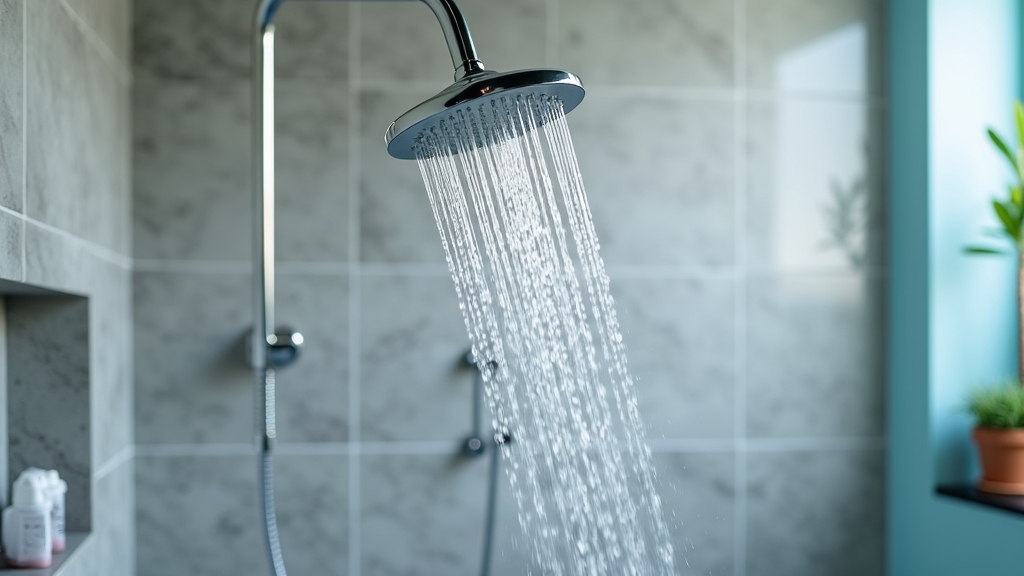
If you look closely at your shower head, you will likely see small rubber or plastic nubs. These are designed to be flexible. What most people miss is that you can often clear minor blockages simply by rubbing your thumb over these nozzles while the water is running. This physical agitation breaks loose the brittle mineral crust. For more stubborn clogs, a deep soak in a mild acidic solution, such as white vinegar, can dissolve the deposits without damaging the finish of the hardware. Now, the important part: always ensure you rinse the fixture thoroughly after soaking to prevent any lingering acidity from affecting the metal plating.
Checking the Flow Regulator and Filter Screen
Modern fixtures are equipped with flow regulators to conserve water. While these are great for the environment, they can easily become trapped with grit or sediment from the main water line. Worth mentioning is that if you have recently had work done on your street's water mains, or if you have an older home with galvanized pipes, small flakes of rust or debris can lodge themselves right against the filter screen. Removing the shower head and flushing this screen is a five-minute job that often yields immediate results.
When to Call a Professional
On the other hand, there are times when the problem lies deeper than the shower head itself. If you have cleaned the nozzles and checked the filter but the pressure is still lacking, the issue might be systemic. This is where the transition from DIY to professional help becomes necessary. A licensed plumber has the tools to diagnose pressure drops occurring behind the wall or at the main pressure-reducing valve (PRV).
Internal Valve Issues
Inside your shower handle is a cartridge or a mixing valve. If this component fails or becomes clogged, it won't matter how clean your shower head is; the water simply won't reach it at the correct volume. Replacing these internal parts can be tricky, as it often involves shutting off the main water supply and using specialized pullers to remove the old cartridge without damaging the valve body.
Systemic Pressure Problems
Something to keep in mind is that low pressure in the shower might just be a symptom of a larger house-wide issue. If the pressure is low at every faucet, you might have a failing pressure regulator or a leak in your service line. Professionals can perform a pressure test at various points in the home to isolate exactly where the loss is occurring, which prevents you from wasting money on parts you don't actually need.
Pros and Cons Comparison
DIY Maintenance
- Pros: Extremely cost-effective, can be done on your own schedule, requires minimal tools, and provides a sense of accomplishment.
- Cons: Risk of scratching the finish if using the wrong tools, potential for leaks if the head isn't reinstalled correctly, and it won't fix deep-seated plumbing issues.
Professional Repair
- Pros: Comprehensive diagnosis, guaranteed results, and the ability to fix complex valve issues or pipe corrosion.
- Cons: Higher upfront cost due to labor rates and service fees, and requires scheduling an appointment.
Cost Analysis
Here is the thing about costs: DIY fixes are nearly free. A gallon of vinegar and a soft-bristled brush will cost less than ten dollars. However, if you ignore a systemic issue and attempt to force a fix, you might end up breaking a pipe or stripping a thread. A professional service call typically ranges from $150 to $400 depending on your location and the complexity of the repair. While this is more expensive, it often includes a warranty on the work performed, which offers peace of mind.
Best Use Cases for Each Option
Choose DIY if:
- The pressure drop happened gradually over several months.
- You can see white, crusty buildup on the nozzles.
- The low pressure is isolated only to the shower and nowhere else in the bathroom.
Choose a Professional if:
- The pressure dropped suddenly and stayed low.
- You hear a vibrating or humming noise when the shower is on.
- You see signs of water damage or dampness on the wall behind the shower.
- The shower head is clean, but the water temperature fluctuates wildly along with the pressure.
Final Recommendation
My advice is to always start with the simplest solution. Remove the shower head and give it a thorough cleaning. It is a low-risk, high-reward starting point. If a deep soak and nozzle scrubbing don't return your shower to its former glory, then it is time to stop and call in a pro. Trying to dismantle a shower valve without the proper experience can turn a minor annoyance into a major flood. Maintaining your home is a balance of knowing your limits and understanding how your systems work together.