The Anatomy of a Stuck Patio Door
A sliding glass door that requires a gym membership to open isn't just a nuisance; it’s a safety hazard and a strain on your home’s structural integrity. After a decade in the field, I’ve found that 90% of 'broken' doors are actually just neglected. These doors rely on a simple system of gravity, alignment, and low-friction rollers. When one of these elements fails—usually due to accumulated grit or mechanical wear—the door begins to drag, eventually damaging the aluminum track itself.
Root Causes: Why Sliding Doors Fail
Understanding the 'why' prevents you from wasting money on unnecessary replacement parts. In my experience, these are the primary culprits behind a stubborn door:
1. Debris Accumulation
The track is a magnet for pet hair, dust, and outdoor grit. When this debris mixes with the factory lubricant, it creates a thick, abrasive paste. This paste gets caught in the roller housing, preventing the wheels from spinning freely. Instead of rolling, the wheels skid, creating flat spots that make the door feel 'bumpy.'
2. Roller Degradation
Most residential sliding doors use plastic (nylon) or steel rollers. Over time, the bearings inside these rollers fail due to moisture or heavy use. If you hear a grinding metal-on-metal sound, the wheel has likely collapsed, and you are now dragging the metal housing against the track.
3. House Settling and Misalignment
Homes breathe and move. If your header (the beam above the door) sags even a quarter of an inch, or if the house settles unevenly, the door frame can become slightly trapezoidal. This puts uneven pressure on the rollers, causing them to bind.
Immediate Steps: How to Fix a Stuck Sliding Door
Before you go out and buy a new door, follow these steps in order. It is worth doing right the first time to avoid permanent track damage.
Deep Clean the Tracks
Don't just run a vacuum over it. Use a stiff-bristled brush to loosen the packed-in grime. Use a vacuum with a crevice tool to suck up the loose debris. Afterward, wipe the track down with a rag soaked in denatured alcohol or a mild degreaser. Avoid oily cleaners at this stage; they only attract more dirt later.
Adjusting the Roller Height
Look for two small holes at the bottom of the door on the interior side. These house the adjustment screws. Using a screwdriver (usually a #2 Phillips), turn the screws clockwise to raise the door or counter-clockwise to lower it. If the door is rubbing on the bottom track, raise it. Trust your instincts on this one—if the screw feels incredibly tight, don't force it; the roller may be rusted solid and need replacement.
Replacing the Rollers
If cleaning and adjusting don't work, the rollers are shot. To replace them, you must remove the sliding panel. This is a two-person job. Slide the door to the middle, lift it upward into the header, and pull the bottom toward you. Once the door is on a pair of sawhorses, unscrew the roller assemblies from the bottom rail. Pro Tip: Take the old rollers to the hardware store with you. There are hundreds of variations, and getting the exact match is critical for a proper fit.
Long-Term Prevention Strategies
Maintenance is significantly cheaper than repair. To keep your door sliding with one finger, implement these habits:
- Monthly Vacuuming: Make the sliding door track a part of your regular floor cleaning routine.
- Dry Lubrication: Never use WD-40 or grease on your tracks. These are 'wet' lubricants that act like glue for dirt. Use a silicone-based spray or a dry Teflon lubricant. Apply it to the track and the rollers, then wipe away any excess.
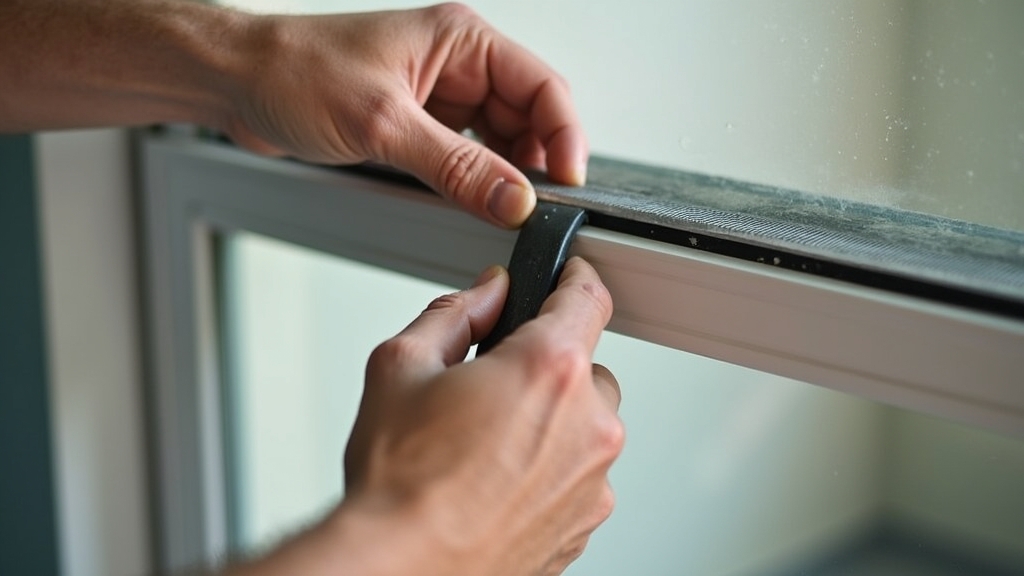
- Check Your Weatherstripping: If the wool pile weatherstripping is frayed or missing, it allows more dust to enter the track system. Replace it to keep the rollers clean.
When to Call a Professional
While most homeowners can handle a roller replacement, some issues require a specialist. Call a pro if you notice the following:
- A Bent Track: If the stainless steel or aluminum rail is crimped or severely dented, it may require a 'track cap' or professional reshaping.
- Fogged Glass: If the seal on your double-pane glass has failed, the door is losing energy efficiency. Often, it’s more cost-effective to replace the glass unit while the rollers are being serviced.
- Structural Rot: If the wood sill beneath the door is soft or rotting, the door will never stay aligned. This requires a structural repair of the subfloor.