Understanding the Root Causes of Disposal Failure
In most homes, the garbage disposal is the most misunderstood and abused appliance in the kitchen. From experience, I can tell you that 90% of the service calls I’ve handled over the last 30 years weren’t caused by mechanical failure, but by how the homeowner used—or misused—the unit. The real issue usually is treating the disposal like a secondary trash can rather than a precision-grinding instrument designed for soft food waste.
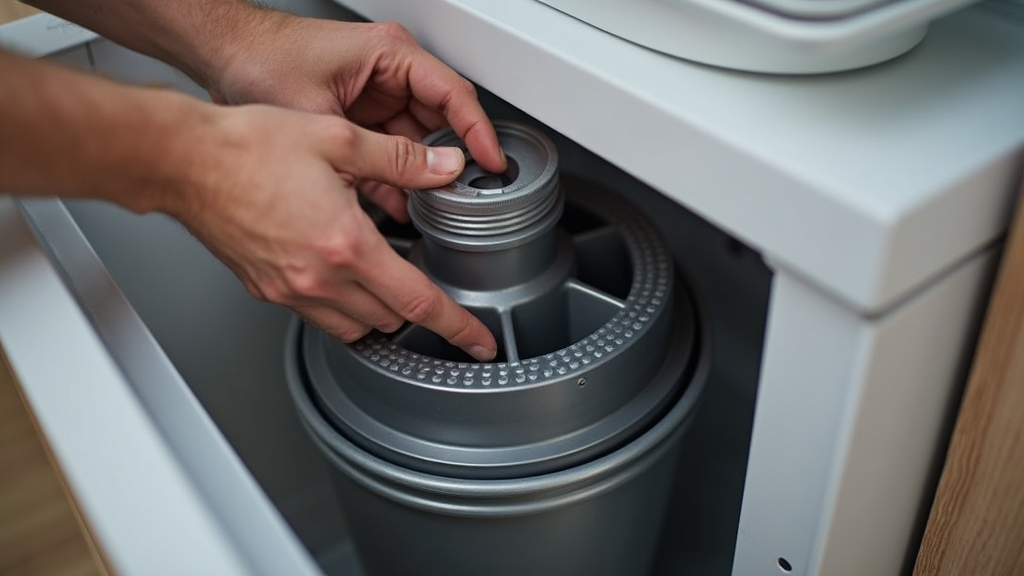
What I have found is that people underestimate the power of torque. A garbage disposal doesn't have blades like a blender; it has impellers (or lugs) on a spinning flywheel that throw food against a stationary grind ring. When you force fibrous materials or hard objects into that chamber, you aren’t just dulling a blade; you’re risking a motor burnout or a jammed flywheel. Over the years, I have learned that the combination of improper waste and insufficient water flow is the leading cause of internal seal failure, which eventually leads to the dreaded leak from the bottom of the unit.
The Trap of Fibrous Materials and Grease
One thing many people overlook is the structural makeup of what they are shoving down the drain. Celery stalks, corn husks, onion skins, and potato peels are the primary culprits. These items contain long, stringy fibers that don't get ground up; instead, they wrap around the impellers like a bird's nest. This creates a friction lock that can overheat the motor in seconds.
A common situation is the 'Grease Myth.' Many homeowners think that if they run hot water while pouring grease down the disposal, it will wash away. In my experience, this is the worst thing you can do. Hot water keeps the grease liquid just long enough to travel past the disposal and into your trap or main line, where it cools, solidifies, and creates a stubborn blockage. What works best is avoiding grease altogether, but if some must go down, use cold water to keep it solid so the disposal can break it into small chunks that move through the pipes without sticking.
Immediate Steps to Take When Your Disposal Fails
When the disposal stops working, the first reaction is usually panic or a call to a plumber. However, before you spend $150 on a service call, there are three specific things you should check. The key thing to remember is safety: never put your hand inside the unit unless the power is physically disconnected at the wall or the breaker.
The Hidden Reset Button
What I've found is that many homeowners don't even know their disposal has a 'brain.' On the bottom of almost every unit, there is a small red button. This is a built-in circuit breaker. If the motor gets bogged down and starts to overheat, this button pops out to protect the motor from burning out. If your unit is silent when you flip the switch, feel around the bottom, push that button back in, and try again. You'd be surprised how many 'broken' disposals I've fixed in ten seconds using this method.
Manual Flywheel Rotation
If the motor hums but the unit won't spin, you have a jam. In my experience, most units come with a small silver hex wrench (an Allen wrench). On the very bottom center of the disposal, there is a hole that fits this wrench perfectly. By inserting the wrench and cranking it back and forth, you can manually rotate the flywheel to break loose whatever is stuck. Once it moves freely, turn the power back on and use a burst of water to clear the debris.
Long-term Prevention Strategies
The secret to a 20-year disposal lifespan isn't the brand you buy; it's the habits you form. After three decades in the industry, I can tell you that the homeowners who never call me for repairs follow a very specific protocol. What works best is the 'Water Sandwich' method.
The Water Sandwich Method
Start the cold water 5 seconds before turning on the disposal. Keep it running while you feed the food in slowly, and—this is the part most people miss—keep it running for 15 seconds after the grinding sound stops. This ensures that the waste is pushed all the way through the p-trap and into the larger vertical drain pipe. Most clogs happen because the disposal is turned off too early, leaving a sludge of food to sit in the horizontal pipe under your sink.
The Ice Cube and Citrus Trick
One thing many people overlook is the buildup of 'slime' on the underside of the splash guard and the grind ring. Once a month, dump two trays of ice cubes into the disposal along with a handful of kosher salt. The ice is hard enough to scour the internal components but soft enough to eventually melt away. For the smell, don't use harsh chemicals; what I have found is that a sliced lemon or lime run through the unit provides the acidity needed to kill bacteria without eroding the metal components.
When to Call a Professional
Not every garbage disposal problem is a DIY fix. There are specific signs that indicate the unit has reached the end of its life. In my experience, if you see water dripping from the very bottom of the motor housing (not the plumbing connections), the internal seal has failed. This is a non-repairable issue. Because the water is now in contact with electrical components, the unit is a fire hazard and needs immediate replacement.
Another red flag is a persistent, metallic screeching sound. This usually indicates that the bearings are shot. While some high-end units can be rebuilt, for the average 1/2 HP or 3/4 HP model, the labor cost of a repair will far exceed the cost of a new unit. When you do replace it, I recommend looking for a unit with stainless steel grinding components. They resist corrosion much better than galvanized steel, which is what usually leads to 'death by rust' in cheaper models.