The Reality of Grout Maintenance
In most homes, the tile itself is rarely the problem. I have managed properties where the ceramic or porcelain tiles are thirty years old and still in pristine condition, yet the entire room looks dated or unkempt because of the grout. Grout is the most vulnerable component of any tiled surface. It is porous, prone to cracking, and acts like a sponge for moisture and oils. From experience, I can tell you that most homeowners spend far too much time on surface-level scrubbing and not enough time addressing the structural integrity of the grout joints. If you find yourself cleaning the same spots every month, you aren't dealing with a cleaning issue; you're dealing with a maintenance failure. To achieve a result that lasts years rather than weeks, you have to move beyond the spray-and-wipe mentality and understand how grout functions as part of your home's infrastructure.
Why Grout Fails: Root Causes and Contributing Factors
The real issue usually isn't just dirt; it is the degradation of the grout’s chemical bond or the movement of the substrate beneath the tile. Over the years, I have learned that grout failure typically stems from one of four primary sources. Understanding these is the first step toward a permanent fix.
Structural Movement and Settling
A common situation is seeing hairline cracks running through grout lines in a straight or diagonal pattern. This is rarely a grout quality issue. Instead, it indicates that the subfloor is flexing or the house is settling. When the surface beneath the tile moves even a fraction of an inch, the rigid grout has no choice but to crack. Simply smearing more grout over these cracks is a temporary band-aid that will fail within months.
Improper Water-to-Powder Ratio
What I have found is that many installation issues start during the initial build. If the installer added too much water to the grout mix to make it easier to spread, the grout becomes soft and overly porous once it cures. This results in grout that 'chalks' or pinholes, making it an easy target for mold and deep-set staining that no amount of scrubbing can fully remove.
The Danger of Acidic Cleaners
One thing many people overlook is the long-term damage caused by harsh, acidic cleaning agents. While an acidic cleaner might make the grout look bright immediately, it actually eats away at the cementitious binder. Each time you use these chemicals, you are making the grout more porous, which ensures it will get dirty even faster next time. This creates a cycle of degradation that eventually leads to the grout crumbling away entirely.
Moisture Infiltration
In bathrooms and kitchens, water is the primary enemy. If grout isn't sealed correctly, or if the seal has worn off, water seeps into the joints and sits behind the tile. This leads to the growth of mold and mildew from the inside out. When you see black spots that won't come clean, the mold is often rooted deep within the grout structure, not just sitting on the surface.
Immediate Steps for Restoration
When you are faced with dingy or damaged grout, the instinct is to grab a stiff brush and start scrubbing. However, what works best is a methodical approach that preserves the integrity of the material while lifting the stains. In my experience, mechanical action combined with the right pH-neutral or alkaline chemistry is the only way to get a deep clean without causing damage.
The Deep Cleaning Process
Start by using an alkaline cleaner. Alkaline solutions are far more effective at breaking down the body oils, soaps, and grease that typically discolor grout in residential settings. Apply the solution and let it dwell for at least ten to fifteen minutes. The dwell time is critical; it allows the chemistry to do the heavy lifting so you don't have to use excessive force. After dwelling, use a grout brush with stiff nylon bristles—never wire—to agitate the lines. Rinse thoroughly with clean water. If you leave dirty water to dry on the grout, the dirt will simply settle back into the pores, negating your hard work.
Patching vs. Replacing
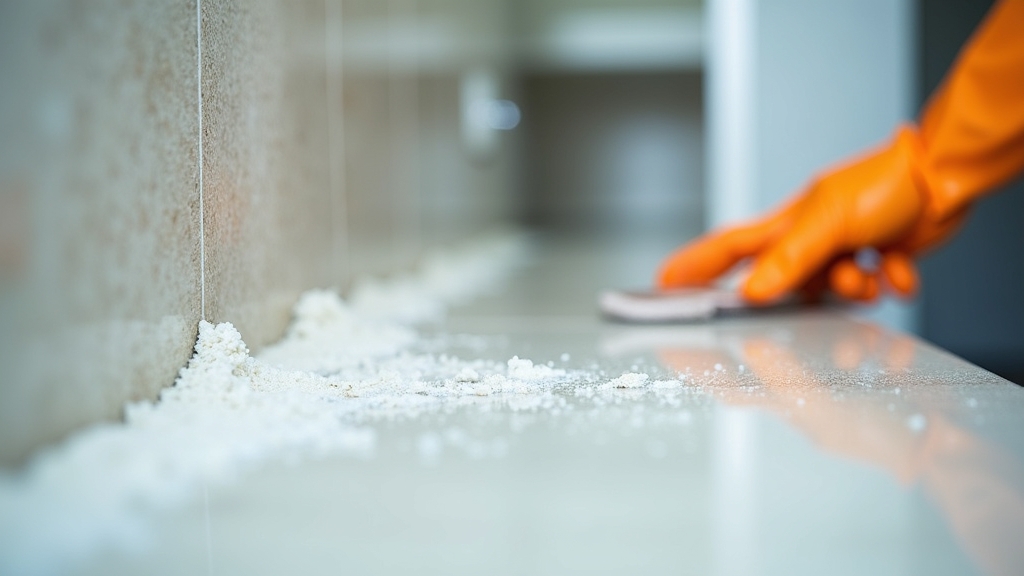
If you have missing chunks of grout, do not just fill the holes. You must first remove any loose or crumbling material. I have found that a manual grout saw or a specialized scraping tool is the best way to clear out the damaged area. You need to create enough depth for the new grout to 'key' into the space. A shallow patch will simply flake off. Aim for a depth of at least 1/8th of an inch. Once the area is clean and dust-free, you can apply a matching grout mixture, ensuring you pack it tightly into the joint.
Long-Term Prevention Strategies
The goal of any property manager is to reduce the frequency of repairs. To keep grout looking new for the long haul, you have to change how you protect and maintain it. The key thing to remember is that grout is essentially a narrow concrete sidewalk between your tiles; it needs protection from the elements.
The Power of Penetrating Sealers
Sealing is the single most important step in grout maintenance. There are two types of sealers: topical and penetrating. Topical sealers sit on top and can peel or turn yellow. Penetrating sealers, however, soak into the pores and create a hydrophobic barrier from within. In my experience, applying a high-quality penetrating sealer every one to two years is the only way to prevent permanent staining. You can test your sealer by dropping a small amount of water on the grout line. If it beads up, you are protected. If it soaks in and darkens the grout, it’s time to re-seal.
Epoxy Grout: The Ultimate Upgrade
If you are performing a total regrout or a new installation, I always recommend considering epoxy grout. Unlike standard cement-based grout, epoxy is non-porous and chemically resistant. It doesn't require sealing, it doesn't stain, and it is incredibly durable. While it is more difficult to install and more expensive, it is a permanent solution. For high-traffic areas or rental properties where maintenance might be neglected, epoxy grout pays for itself in avoided labor costs over the years.
Proper Ventilation and Cleaning Habits
Prevention also involves managing the environment. In bathrooms, ensure your exhaust fan is powerful enough and runs for at least twenty minutes after a shower. Reducing the ambient moisture prevents mold from taking hold. For daily cleaning, stop using mop buckets with dirty water. A micro-fiber mop system that uses clean solution for every pass prevents the 'graying' effect caused by spreading dirty water into the grout lines.
When to Call a Professional
While most cleaning and minor patching can be handled by a dedicated homeowner, there are times when DIY efforts will fall short. If you see widespread cracking across a large floor, you likely have a subfloor deflection issue that a professional needs to assess. Furthermore, if you want to change the color of your grout without replacing it, professional grout staining (or color sealing) is a specialized process. It involves an epoxy-based colorant that is hand-applied to every line. It is tedious work, and if done incorrectly, it can look like paint. Professionals have the tools to ensure the bond is permanent and the finish is uniform.