Bridging the Gap: Why Floor Transitions Matter
In most homes, the transition between different flooring materials is often an afterthought, yet it is one of the most high-traffic areas in any room. Whether you are moving from a plush carpet to a sleek porcelain tile or bridging a floor gap between hardwood and laminate, the transition strip serves as both a structural necessity and a safety feature. In my experience, a poorly installed threshold isn't just an eyesore; it’s a trip hazard that can lead to premature wear of the flooring edges. The key thing to remember is that a transition strip must accommodate the natural movement of your home while providing a flush, secure surface.
Root Causes of Transition Failure
The real issue usually isn't the strip itself, but the preparation of the space beneath it. Understanding why transitions fail is the first step toward a permanent fix. Over the years, I have learned that three main factors contribute to loose, squeaky, or broken transition strips.
1. Expansion and Contraction Neglect
Floating floors, such as laminate and luxury vinyl plank (LVP), require a specific expansion gap at every perimeter and transition point. If you pin a T-molding directly to the subfloor through the flooring material, you prevent the floor from moving. This leads to buckling or the strip eventually popping out of its track. From experience, many DIYers overlook the 1/4-inch gap required for the flooring to breathe.
2. Inconsistent Subfloor Heights
A common situation is finding that the subfloor under the tile is significantly higher than the subfloor under the carpet or hardwood. If the transition strip isn't designed for an offset (like a reducer rather than a T-molding), it will sit at an angle, creating a lip that catches footwear. What I have found is that even a 1/8-inch difference can cause a standard T-molding to fail over time due to uneven pressure.
3. Improper Adhesive or Fastener Selection
Using the wrong adhesive on a concrete subfloor is a recipe for failure. Standard wood glue or cheap construction adhesive often becomes brittle. In my experience, transitions in high-moisture areas—like those leading to a patio or a bathroom—require specialized moisture-rated polyurethane adhesives or mechanical fasteners that won't corrode.
Choosing the Right Transition Strip
One thing many people overlook is that 'one size does not fit all.' The anatomy of your transition determines the product you need.
- T-Molding: Best used for joining two floors of equal height, typically used in doorways between two rooms with the same laminate or wood.
- Reducers: Designed to bridge floors of different heights, such as transitioning from 3/4-inch hardwood down to thin vinyl.
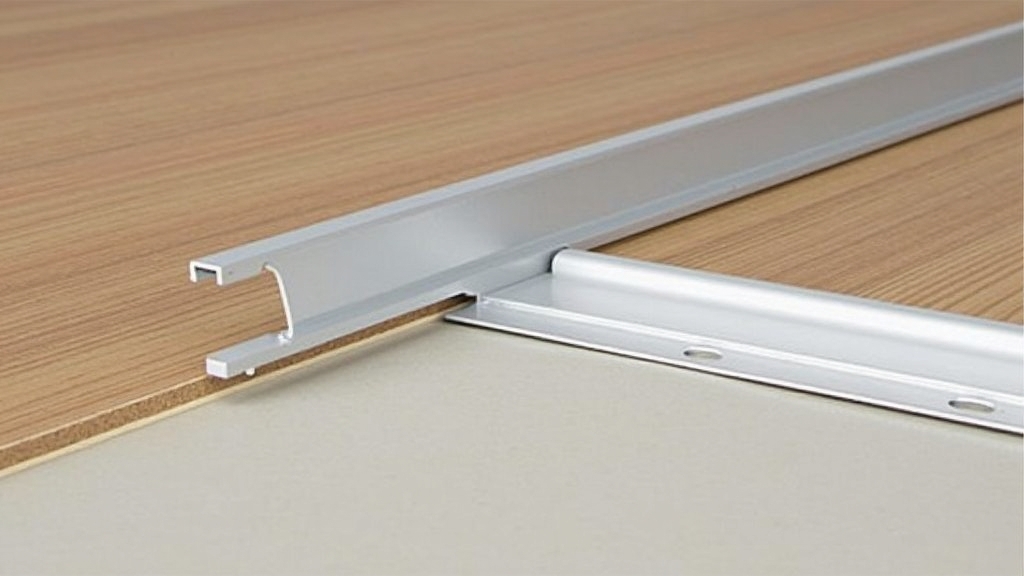
- Carpet to Tile Strips (Z-Bars): These allow the carpet to be tucked and tensioned against a tile edge, providing a seamless look without a bulky raised profile.
- End Caps: Used when a floor meets a sliding glass door or a high hearth, providing a finished edge where no second floor exists.
Immediate Steps for a Professional Installation
To achieve a flush, 'built-in' look, you must follow a precise sequence. Here is what works best based on my decade in the field.
Step 1: Clean and Prep the Channel
Clear out all debris from the floor gap. Even a small pebble or a stray carpet staple can prevent the metal track or the strip itself from seating correctly. If you are working with carpet to tile, ensure the tile edge is clean of any dried mortar.
Step 2: Dry Fit and Measure Twice
Never cut based on a single measurement. Door frames are rarely perfectly square. Measure the width at the floor level, not the eye level. When installing T-molding, ensure the 'stem' of the T has enough room to sit in the gap without touching the flooring on either side.
Step 3: Secure the Track or Base
If your transition uses a metal U-track, screw it into the subfloor using appropriate anchors. For concrete subfloors, I recommend using a masonry bit and plastic anchors rather than just adhesive. If you are using adhesive, apply a continuous bead of high-quality construction adhesive (like Loctite PL Premium) and weight the strip down with heavy toolboxes or sandbags for at least 24 hours.
Long-Term Prevention Strategies
To ensure your threshold installation lasts as long as your floors, you must consider the environmental factors of the room.
Manage Humidity Levels
Wood and laminate transitions are highly sensitive to humidity. What works best is maintaining a consistent indoor climate between 30% and 50% humidity. If the home becomes too dry, wood strips can shrink and pull away from their fasteners.
Use Transition-Specific Underlayment
In areas where height differences are minimal but present, using a thin shim of plywood or a specialized transition ramp under the lower floor can level the playing field before the strip is even installed. This reduces the mechanical stress on the T-molding.
Periodic Inspection
In high-traffic zones, check the transition every six months. If you notice a slight wiggle, address it immediately. A small amount of clear silicone injected into the track can often dampen vibration and prevent the strip from loosening further.
When to Call a Professional
While most transition issues are DIY-friendly, some situations require specialized equipment. If you encounter a height difference greater than one inch, you may need a custom-milled hardwood transition. Additionally, if you are transitioning to a radius (curved) floor, the heat-bending techniques required for vinyl or the complex miter cuts for wood are best left to a specialist who has the right jigs and experience.