Refreshing your home with a new coat of interior paint is one of the most effective ways to improve your living space. As an energy efficiency advisor, I often remind homeowners that paint does more than just look good. It can actually impact your lighting needs and indoor air quality. When you start planning, the first big question always comes up: should you pick up a brush yourself or hire a professional crew?
Choosing Between DIY and Professional Interior Wall Painting
Interior wall painting seems straightforward, but it requires more strategy than most people realize. Here is the thing: the actual painting is only about 20% of the job. The rest is preparation, protection, and cleanup. Deciding between doing it yourself and hiring out depends on your budget, your schedule, and your tolerance for a bit of a mess.
For example, painting a small guest bathroom is a low-risk weekend project. On the other hand, painting a two-story foyer with vaulted ceilings involves safety risks and specialized equipment that most homeowners don't own. We need to look at both options through a lens of practicality and cost-effectiveness.
The DIY Approach: Taking Control of Your Walls
Many homeowners choose the DIY route to save money. If you have the time and the patience, you can achieve a high-quality finish. Now, the important part of DIY painting is the prep work. If you skip sanding the walls or taping the baseboards, the final result will show every mistake.
Tools and Materials Needed
If you choose to DIY, you will need to invest in a basic kit. This usually includes:
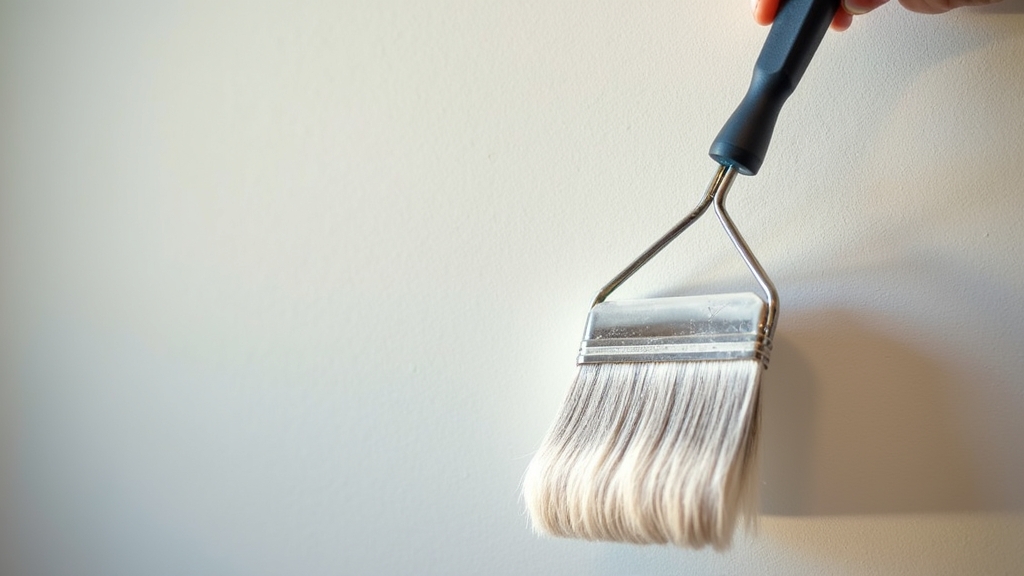
- High-quality synthetic brushes (angled brushes work best for trim).
- Roller frames and microfiber covers.
- Telescoping extension poles.
- Drop cloths (canvas is better than plastic for safety).
- Painter's tape and sanding sponges.
- Primer and low-VOC interior paint.
This is where it gets interesting: buying cheap tools often leads to a poor finish. A $5 brush will shed bristles into your wet paint, creating a texture you didn't want. Investing in mid-range or professional-grade tools makes the work much easier.
Hiring Professionals: Why Skill Matters
Hiring a professional team takes the physical burden off your shoulders. Professionals bring years of muscle memory. They know exactly how much paint to load onto a roller to avoid drips. They also have access to industrial-grade equipment like airless sprayers, which can provide a perfectly smooth finish that is hard to replicate with a roller.
What most people miss when considering professionals is the speed factor. A crew of three can often prep, prime, and paint an entire 2,000-square-foot house in three or four days. For a DIYer, that same project could easily stretch over four or five weekends, leaving your home in a state of disarray for a month.
Pros and Cons Comparison
To make an informed choice, you should weigh the benefits against the drawbacks of each method.
DIY Advantages and Drawbacks
The good news is that DIY painting is significantly cheaper. You only pay for materials, which usually accounts for 15% to 25% of a professional quote. You also have total control over the timeline. If you want to paint one wall at 10 PM, you can.
On the other hand, DIY projects often take much longer than expected. Most homeowners underestimate the time it takes to move furniture, remove outlet covers, and fix small cracks in the drywall. It is also physically demanding. Spending eight hours on a ladder can lead to back and neck strain if you aren't used to the labor.
Professional Advantages and Drawbacks
The primary advantage of hiring pros is the quality of the finish. They handle the difficult spots, like the thin line between the ceiling and the wall, with precision. They also handle the cleanup, which is often the most tedious part of the job.
Something to keep in mind is the cost. Professional labor is expensive. You are also inviting strangers into your home for several days, which can be disruptive to your daily routine. You have to work around their schedule, not yours.
Breaking Down the Costs
Let's look at some practical numbers. For a standard 12x12 foot room, a DIY project might cost you $100 to $200. This includes two gallons of high-quality paint, a roll of tape, and basic supplies. If you already own the tools, the cost drops to just the price of the paint.
A professional quote for that same room typically ranges from $400 to $800. This price includes labor, materials, and insurance. The cost goes up if the room has high ceilings, intricate crown molding, or if the walls are in poor condition and need significant repair.
Worth mentioning is the "opportunity cost." If you spend 20 hours painting a room yourself, what is that time worth to you? If you earn more per hour at your job than you would pay a painter, hiring out might actually be the more "efficient" choice for your household budget.
When to Choose Each Option
Use this simple checklist to help you decide.
Choose DIY if:
- The project is a single room or a small apartment.
- You have a tight budget but plenty of free time.
- The walls are in good condition (no major holes or water damage).
- You enjoy manual labor and the satisfaction of a finished project.
Choose a Professional if:
- You are painting the entire house.
- The ceilings are higher than 10 feet.
- You need the project finished quickly (e.g., before moving in).
- The surfaces require extensive repair or specialized finishes like lime wash or textured paint.
Final Verdict: Which is Right for You?
There is no one-size-fits-all answer for interior wall painting. However, from an efficiency perspective, I recommend a hybrid approach. DIY the smaller, easier rooms like bedrooms or home offices to save money. Hire a professional for the high-traffic, high-visibility areas like the living room and kitchen where the quality of the finish matters most.
Regardless of who does the work, always choose high-quality, low-VOC (Volatile Organic Compounds) paint. This protects your indoor air quality and ensures the color stays vibrant for years. A well-painted home reflects light better, which can slightly reduce your dependence on artificial lighting during the day. This small change contributes to your home's overall energy efficiency and comfort.