The Costly Drip: Why Immediate Action Matters
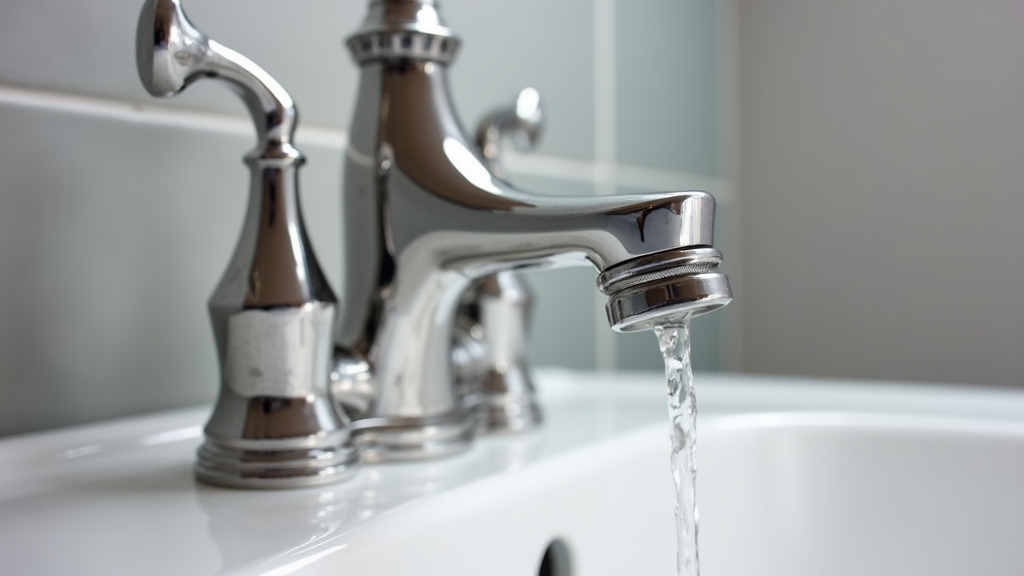
In most homes, a leaky faucet is treated like a minor annoyance—a background noise you eventually tune out. However, from experience, I can tell you that those rhythmic drips are literally money down the drain. A single faucet dripping at a rate of one drip per second can waste more than 3,000 gallons of water per year. That is equivalent to taking more than 180 showers!
What I have found is that homeowners often hesitate to fix a dripping faucet because they aren’t sure if it’s a simple five-minute job or a precursor to a major plumbing disaster. The real issue usually is not just the water bill; it is the slow degradation of your fixtures and the potential for hard water stains or mold growth in the cabinet below. Over the years, I have learned that addressing a leak early is the single most effective way to prevent a $10 part from turning into a $500 emergency call.
Option 1: The DIY Repair Approach
For most people, the first instinct is to grab a wrench and try to handle the faucet repair themselves. This is often the most energy-efficient and eco-friendly route because it extends the life of your existing hardware rather than sending it to a landfill.
Pros of DIY Repair
- Extremely Low Cost: Most leaks are caused by a worn-out washer, O-ring, or ceramic cartridge. These parts usually cost between $2 and $25 at a local hardware store.
- Immediate Results: You don't have to wait for a service window. You can often have the leak stopped within an hour.
- Sustainability: Repairing prevents the carbon footprint associated with manufacturing and shipping a brand-new faucet.
Cons of DIY Repair
- Risk of Error: If you don't shut off the water properly or if you strip a screw, you could turn a small leak into a major flood.
- Specialized Tools: Some modern faucets require specific cartridge pullers or hex keys that you might not have in a standard toolbox.
- Temporary Fix: If the internal housing of the faucet is corroded, a new washer is just a Band-Aid.
Option 2: Hiring a Professional Plumber
A common situation is when a homeowner attempts a DIY fix, only to find that the leak persists or the faucet handle becomes harder to turn. This is when calling in a professional becomes the logical step.
Pros of Professional Repair
- Guaranteed Diagnosis: A plumber can identify if the leak is coming from the spout, the base, or the supply lines under the sink.
- Warranty: Most reputable plumbers offer a guarantee on their labor, giving you peace of mind.
- System Check: While they are there, a good plumber will often check your water pressure, which is a key thing to remember because high water pressure is a leading cause of recurring leaks.
Cons of Professional Repair
- High Service Fees: You are paying for expertise and travel. Expect to pay a minimum diagnostic fee or hourly rate ranging from $150 to $350.
- Scheduling Hurdles: You may have to take time off work to be home during a four-hour service window.
Option 3: Complete Faucet Replacement
Sometimes, the best use case for your money is to stop repairing an old, inefficient model and start fresh. In my experience, if a faucet is more than 15 years old, replacement is usually the smarter long-term investment.
Pros of Replacement
- Water Efficiency: Newer faucets are equipped with high-efficiency aerators that reduce water flow without sacrificing pressure, further lowering your utility bills.
- Aesthetic Upgrade: It is the easiest way to modernize a kitchen or bathroom.
- Long-Term Reliability: A new faucet comes with a fresh lifespan and often a limited lifetime warranty from the manufacturer.
Cons of Replacement
- Highest Upfront Cost: Between the cost of the fixture ($100–$500) and potential installation, this is the most expensive route.
- Complexity: Replacing a faucet often reveals other issues, like corroded shut-off valves that also need replacing.
Cost Comparison at a Glance
What works best depends on your budget and skill level. Here is a breakdown of what you can expect to spend:
- DIY Repair: $5 - $40 (Parts + basic tools).
- Professional Repair: $150 - $400 (Labor + parts).
- Full Replacement (DIY): $100 - $600 (Cost of the new fixture).
- Full Replacement (Professional): $300 - $1,000+ (Fixture + labor).
Final Recommendation Based on Situation
The key thing to remember is that there is no one-size-fits-all answer. However, I usually recommend the following:
Choose DIY Repair if: The faucet is relatively new (under 10 years), the leak is just a drip from the spout, and you feel comfortable following a YouTube tutorial.
Choose a Professional if: You have a high-end luxury faucet, the leak is coming from inside the wall, or you have already tried to fix it and failed.
Choose Replacement if: The finish is peeling, the handles are stiff, or the faucet is an older model that uses excessive amounts of water. One thing many people overlook is that a new, low-flow faucet can pay for itself in water savings over just a few years.
Maintenance Tips to Prevent Future Leaks
In my experience, prevention is always cheaper than cure. To keep your faucets in top shape:
- Clean your aerators: Unscrew the tip of the faucet once a year and soak it in vinegar to remove mineral buildup.
- Don't overtighten: One of the most common causes of washer failure is people cranking the handle shut too hard. A gentle touch is all you need.
- Install a water softener: If you have hard water, the minerals will eat away at your faucet's internal seals. Softening your water protects all your plumbing fixtures.