Introduction to Faucet Repair
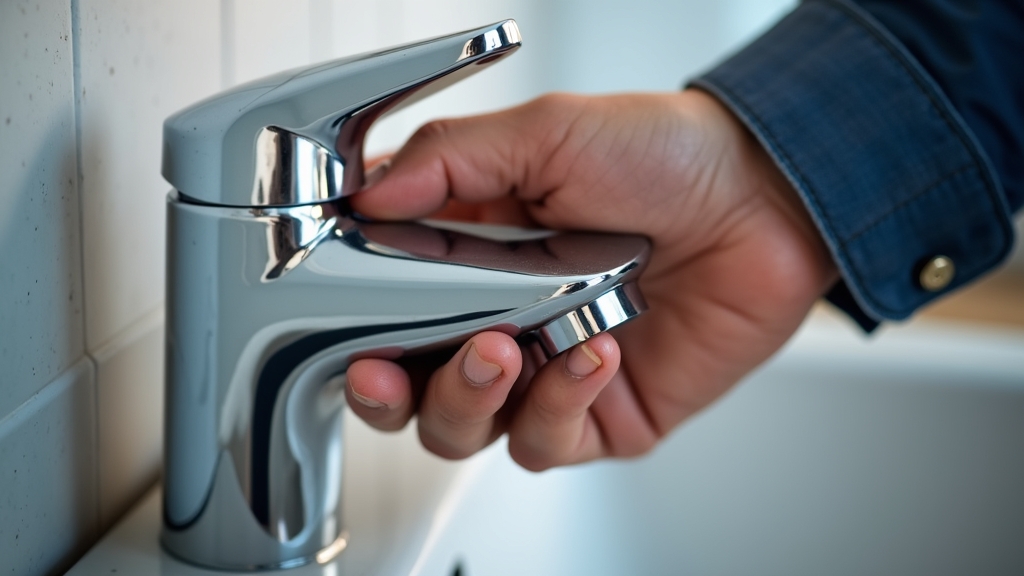
In the world of home maintenance, few things are as persistent or as subtle as a dripping faucet. To a gardener used to the rhythmic sound of a watering can or the steady flow of an irrigation system, a leak represents more than just a nuisance; it is a waste of a vital resource. A single faucet dripping at a rate of one drop per second can waste more than 3,000 gallons of water per year. Addressing this issue is not just about silencing a sound—it is about home efficiency and structural preservation. Taking your time with this repair is essential, as a rushed job often leads to recurring leaks or stripped components. It is worth doing right the first time.
Overview of Repair Options
When faced with a leaky faucet, homeowners generally have two paths: the Do-It-Yourself (DIY) approach or hiring a licensed professional. Each path carries its own set of expectations regarding time, tools, and financial investment. Understanding which category your faucet falls into—compression, ball, cartridge, or ceramic disk—is the first step in determining the scope of the work. Small details matter here, such as identifying the exact model number or the specific type of internal seal required. Trust your instincts on this one; if the mechanism feels overly complex upon initial inspection, professional help may be the more stable route.
DIY Faucet Repair
The DIY route involves purchasing individual components—such as O-rings, washers, or cartridges—and performing the labor yourself. This requires a basic set of tools, including an adjustable wrench, screwdrivers, and perhaps a specialized cartridge puller. It is a process of patience. You must carefully disassemble the fixture, track the order of the parts, and ensure surfaces are cleaned before reassembly.
Professional Plumbing Services
Hiring a plumber brings expertise and a guarantee of workmanship. A professional can quickly diagnose whether the leak is caused by a worn-out seal, a corroded valve seat, or a larger pressure issue within the home’s plumbing system. While more expensive, this option removes the risk of accidental damage to the fixture or the surrounding cabinetry during the repair process.
Detailed Pros and Cons
Pros of DIY Repair
- Cost Savings: The primary advantage is the elimination of labor fees, which often make up the bulk of a plumbing bill.
- Skill Acquisition: Learning to fix a faucet builds confidence for other home maintenance tasks, much like learning to prune a delicate bonsai.
- Immediate Action: You do not have to wait for an appointment; you can address the drip as soon as you have the parts.
Cons of DIY Repair
- Potential for Errors: Without the right experience, it is easy to over-tighten a nut or install a seal backward, leading to a larger leak.
- Tool Investment: If you do not already own a plumbing kit, the initial cost of tools can diminish the savings.
- Time Consumption: What takes a pro 20 minutes might take an amateur three hours, especially when factoring in trips to the hardware store.
Pros of Professional Repair
- Diagnostic Accuracy: Professionals can identify secondary issues, like high water pressure, that might be causing repeated faucet failures.
- Warranty: Most reputable plumbers offer a warranty on their labor and the parts they provide.
- Speed: A professional has the experience to handle "stuck" parts that might frustrate a homeowner.
Cons of Professional Repair
- Higher Expense: Service call fees and hourly rates significantly increase the total cost.
- Scheduling: You must work around the plumber’s availability, which may not be immediate.
Cost Comparison
Understanding the financial implications requires a breakdown of both tangible parts and intangible labor. Here is a realistic look at the numbers you might encounter during a leaky faucet repair.
DIY Cost Breakdown
- Basic Repair Kits: For a simple compression faucet, a pack of washers and O-rings usually costs between $5 and $15.
- Replacement Cartridges: For modern cartridge or ceramic disk faucets, the replacement part typically ranges from $20 to $70, depending on the brand.
- Specialized Tools: If needed, a basin wrench or cartridge puller might add $15 to $30 to your total.
- Estimated Total: $10 – $100.
Professional Cost Breakdown
- Service Call/Diagnostic Fee: Most plumbers charge a flat fee just to arrive at the home, ranging from $75 to $150. This often covers the first 30-60 minutes of labor.
- Hourly Rate: If the job is complex, rates typically range from $80 to $200 per hour.
- Parts Markup: Plumbers often charge a small premium on parts to cover the cost of sourcing and carrying them in their truck.
- Estimated Total: $150 – $350.
Best Use Cases for Each
When to Choose DIY
The DIY approach is best suited for standard, modern faucets where replacement cartridges are readily available at local hardware stores. If the leak is a simple "drip-drip-drip" from the spout and you have the patience to follow a step-by-step guide, doing it yourself is a rewarding choice. It is also ideal for those who enjoy the meticulous nature of small-space maintenance, where every adjustment counts toward the health of the home.
When to Call a Pro
A professional should be called if the faucet is an expensive, high-end designer model or an antique fixture with hard-to-find parts. Additionally, if the leak is occurring under the sink rather than from the spout, it could indicate a cracked supply line or a failed connection that requires more than a simple seal replacement. If your home has very old galvanized pipes, do not rush the process; the risk of breaking a pipe while trying to unscrew a faucet is high, and a professional is better equipped to handle such complications.
Final Recommendation
To make the right decision, assess your comfort level with mechanical tasks and the value of your time. If you decide to attempt the repair yourself, remember: small details matter. Clean the internal valve body thoroughly, use a bit of plumber's grease where appropriate, and never force a component that feels stuck. However, if the peace of mind offered by a professional guarantee outweighs the cost savings, hiring a plumber is a sound investment in your home’s longevity. Do not rush the decision; trust your instincts and choose the path that ensures the leak is resolved permanently.