Why Most Door Lock Installations Fail
In my thirty years on the job site, I’ve seen thousands of door locks. Here is the thing: most people think a door lock is a 'set it and forget it' hardware piece. In reality, a lock is a precision instrument mounted in a moving, breathing wooden frame. When a lock fails, it’s rarely the metal's fault; it’s usually an installation error or a failure to account for the house's natural movement.
The Epidemic of Misalignment
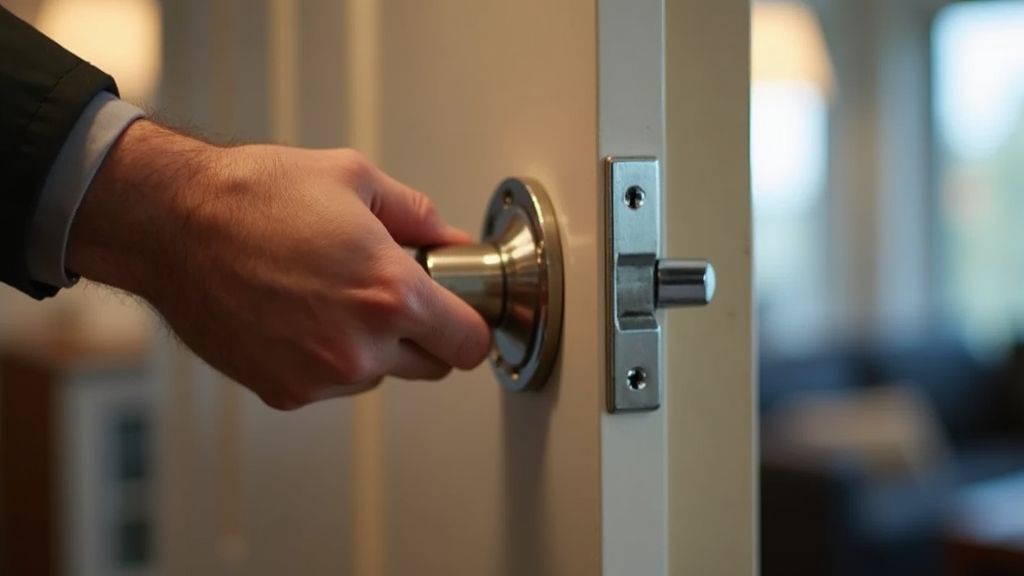
The most common cause of lock failure is misalignment between the latch and the strike plate. If you have to pull, push, or lift your door to get the deadbolt to throw, your installation is already failing. This constant friction wears down the internal brass tumblers and puts undue stress on the tailpiece. What most people miss is that a house settles over the seasons. A lock that worked perfectly in the humid summer might bind in the dry winter as the wood shrinks.
The 'Short Screw' Security Flaw
Now, the important part that many DIYers—and even some lazy pros—ignore: the screws. Most door locks come with 3/4-inch screws for the strike plate. These screws only grab the thin decorative trim of the door jamb. One solid kick and the whole assembly splinters. Real security comes from anchoring the lock into the structural framing of the house.
Root Causes of Lock and Deadbolt Issues
Cheap Grade 3 Hardware
This is where it gets interesting. The hardware store shelves are lined with Grade 3 locks. They look shiny and heavy, but the internal components are often plastic or thin stamped steel. For an entry door, you should never use anything less than ANSI Grade 2. Grade 1 is commercial strength, but Grade 2 is the sweet spot for residential longevity. On the other hand, saving twenty dollars on a budget lock usually results in a lockout call that costs ten times that amount three years down the road.
Improper Hole Prep
If the 2-1/8 inch bore hole isn't perfectly perpendicular to the door face, the lock cylinders won't sit flush. This creates a 'binding' effect where the key becomes difficult to turn. Additionally, if the backset (the distance from the edge of the door to the center of the hole) is off by even an eighth of an inch, the latch won't reach its full extension, leaving the door vulnerable to a simple prying attack.
Immediate Steps for a Faulty Install
If your lock is sticking, don't reach for the WD-40. Worth mentioning: WD-40 is a solvent, not a long-term lubricant; it actually attracts gunk over time. Instead, check the strike plate. Look for wear marks on the metal where the latch is hitting. Often, filing down the opening of the strike plate by a mere millimeter can restore smooth operation. If the door has sagged, tightening the top hinge screws—or replacing one with a 3-inch screw that reaches the stud—can pull the door back into alignment and fix the lock issue instantly.
Long-Term Prevention Strategies
The 3-Inch Rule
The good news is that you can make any deadbolt install 500% more secure with four screws. Replace the stock strike plate screws with 3-inch hardened steel screws. These pass through the jamb and bite deep into the 2x4 king studs of the wall. This turns the entire wall into your security system, not just a thin piece of pine trim.
Regular Lubrication
Something to keep in mind: locks need maintenance. Once a year, puff some dry graphite powder or use a specialized PTFE-based lubricant into the keyway. This keeps the pins moving freely without the sticky buildup associated with oils.
Climate Considerations
If you live in a region with high humidity, your wooden doors will swell. I always recommend 'over-boring' the strike plate hole slightly—giving the bolt a little extra room to move. This prevents the lock from binding when the wood expands in July.
When to Call a Professional
You can handle most deadbolt installs with a screwdriver and a chisel, but some situations require a pro. If you have a multi-point locking system (common on high-end European or patio doors), do not touch it. These are incredibly complex. Similarly, if your door is warped or the frame is out of square, a new lock won't fix the problem; you need a contractor to re-hang the door. Finally, if you are upgrading to smart locks, ensure your door is perfectly aligned first. Smart lock motors are notoriously weak; if there is any friction in the bolt, the motor will burn out within months.