Understanding the Importance of Bathroom Caulking
In the world of home maintenance, particularly within the confines of city apartments and smaller homes, the integrity of your bathroom seals is paramount. Here is the thing: bathtub caulk is more than just a cosmetic finish; it is the primary barrier preventing moisture from infiltrating the walls and floor structure. Over time, even the highest quality waterproof sealant application will degrade. When you begin to notice moldy bathroom caulk or visible peeling, the clock starts ticking on potential water damage.
Why Caulk Fails Over Time
Caulk is designed to be flexible, allowing for the minor shifts and settles that occur in every building. However, constant exposure to humidity, soap scum, and cleaning chemicals eventually causes the material to lose its elasticity. Now, the important part to understand is that once the bond between the caulk and the tub surface breaks, water can seep behind the tiles, leading to structural rot or mold growth that is far more expensive to fix than a simple bead of silicone.
The DIY Approach to Silicone Caulk Removal
Many residents in small spaces prefer to handle maintenance themselves. Recaulking a bathtub is one of those tasks that feels approachable but requires a significant amount of patience and precision. What most people miss is that the success of the new application depends almost entirely on the quality of the removal process.
Tools and Preparation
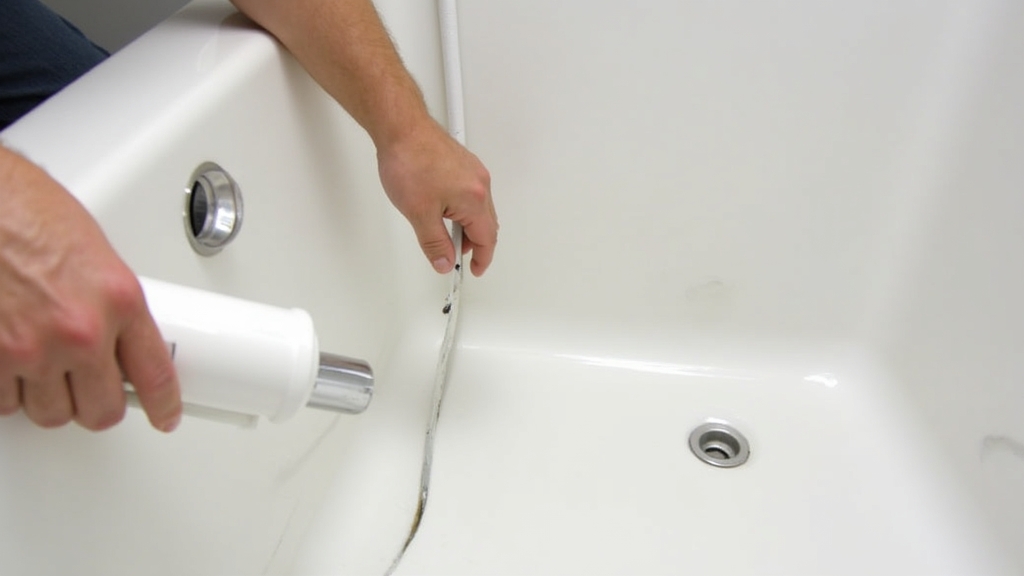
If you choose to tackle this as a DIY project, you will need a few basic tools: a utility knife or a specialized caulk removal tool, a scraper, isopropyl alcohol, and a caulking gun. The good news is that these materials are relatively inexpensive and can be stored easily in a small apartment closet. On the other hand, the physical labor involved in scraping away old, stubborn silicone can be taxing and time-consuming.
The Removal Process
This is where it gets interesting: removing the old material isn't just about pulling it out. You must ensure that every microscopic residue of the old moldy bathroom caulk is gone. If new sealant is applied over old silicone, it will not bond correctly, leading to immediate failure. Once the bulk is removed, using a specialized solvent or high-percentage alcohol to clean the joint is a step that shouldn't be skipped.
The Professional Option: Hiring for Waterproof Sealant Application
While it may seem like a simple task, there are many scenarios where hiring a professional is the more logical choice. Professionals bring specialized tools and, perhaps more importantly, an experienced hand that can produce a perfectly smooth, aesthetic finish that is difficult for novices to replicate.
What a Professional Brings to the Table
Worth mentioning is the fact that professionals often carry commercial-grade sealants that may have higher resistance to mildew and better adhesion properties than standard consumer-grade options. Furthermore, they are trained to spot underlying issues. If the caulk is failing because the bathtub is improperly supported and shifting too much, a professional will notice this where a DIYer might just keep reapplying caulk every six months.
Pros and Cons Comparison
DIY Pros and Cons
- Pros: Significant cost savings on labor; flexibility to work on your own schedule; ability to ensure the cleaning phase is done to your personal satisfaction.
- Cons: Risk of scratching the tub or tile surface with removal tools; high learning curve for achieving a smooth bead; time-intensive (often taking 4-6 hours including drying time).
Professional Pros and Cons
- Pros: Guaranteed aesthetic results; faster completion time; includes a professional assessment of the surrounding tile and grout.
- Cons: Higher upfront cost; necessity of scheduling around a contractor's availability; potential minimum service fees for such a small job.
Cost Comparison: Labor vs. Materials
When evaluating the financial aspect, the gap is quite wide. A DIY project typically costs very little—mostly the price of a tube of high-quality silicone and a few basic tools. Something to keep in mind is that your primary investment here is time.
A professional service will charge for labor, travel, and materials. In many urban areas, contractors may have a minimum call-out fee. However, if the job involves removing layers of old caulk and treating deep-seated mold, the professional's efficiency may outweigh the cost. If you have multiple bathrooms or need grout repair simultaneously, the per-unit cost of hiring a professional often drops significantly.
When to DIY and When to Hire
Choosing between these two paths depends on the state of your bathroom and your personal comfort level with manual tasks.
Choose DIY if:
- The existing caulk is mostly intact but starting to discolor.
- You have a steady hand and previous experience with household repairs.
- You are working on a tight budget and have a full weekend to dedicate to the process.
Choose a Professional if:
- There is evidence of water damage or soft spots in the wall behind the caulk.
- The gap between the tub and the tile is exceptionally wide (over 1/2 inch).
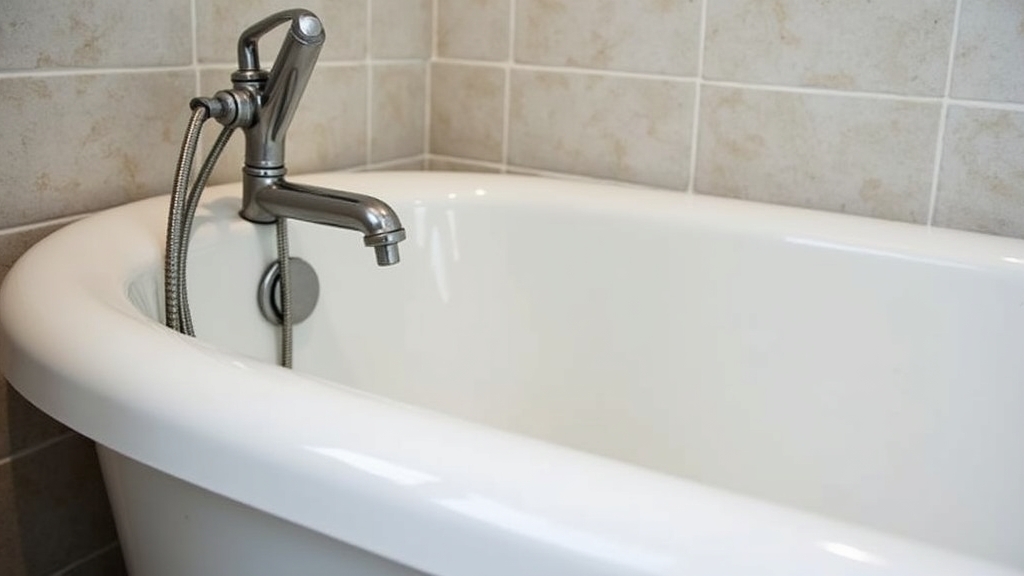
- The bathtub is made of a delicate material that is easily scratched (like certain acrylics or antique clawfoot tubs).
- You have tried to recaulk before and the seal failed within a few months.
Final Recommendation
For most minor maintenance tasks in small-space living, DIY recaulking is a valuable skill to learn. It allows for proactive maintenance before problems escalate. However, if you are dealing with a recurring mold issue or are preparing a property for sale or rent, the professional finish and the peace of mind regarding the structural integrity are often worth the investment. Now, the important part to remember regardless of which path you choose: never apply new caulk over old. The cleanliness of the joint is the single most important factor in how long your new seal will last.