The Evolution of Your Interior Canopy
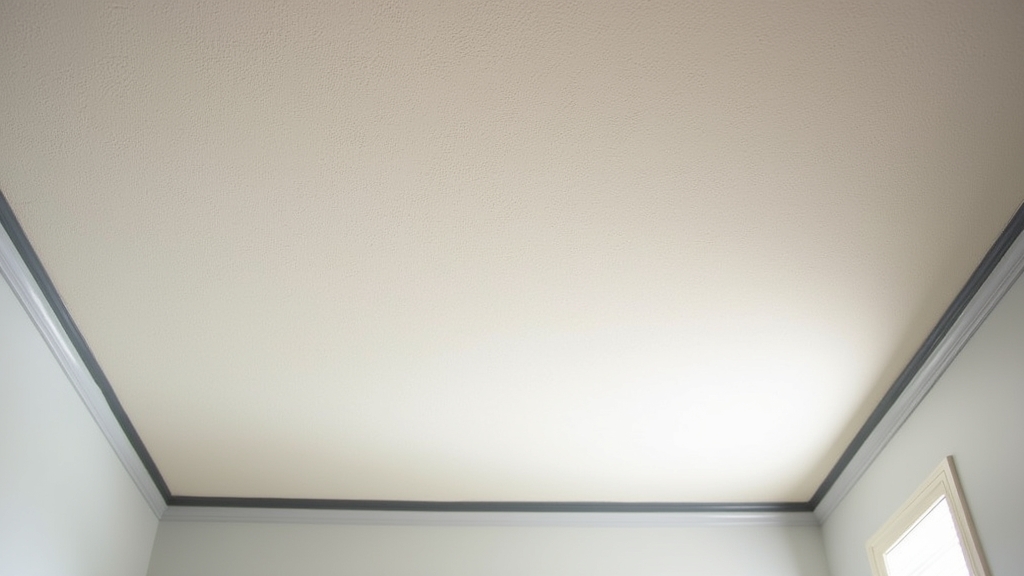
In the world of home aesthetics, popcorn ceilings—once prized for their acoustic dampening and ability to hide structural imperfections—have become the architectural equivalent of invasive weeds in a well-kept garden. While these textures served a utilitarian purpose in the mid-to-late 20th century, they now trap dust, age poorly, and diminish the perceived height of a room. Removing them is not merely a cosmetic update; it is a fundamental reclamation of your home's light and space. Take your time with this process; rushing through ceiling work often results in gouges that require even more labor to repair later.
Understanding the Root Causes of Textured Ceilings
Before you pick up a scraper, it is helpful to understand why this material exists. Popcorn texture, technically known as acoustic ceiling spray, was a cost-effective solution for builders. It allowed them to skip the time-consuming process of multi-coat drywall finishing. By spraying a thick, bumpy aggregate, they could mask uneven joints and structural settling. Over decades, however, these surfaces become brittle. In many older homes, the 'popcorn' was often formulated with chrysotile asbestos for fireproofing—a critical factor that dictates your entire approach to removal.
The Critical First Step: Asbestos Safety
You must prioritize safety over speed. If your home was built before 1980, there is a significant probability that the texture contains asbestos. Before disturbing even a square inch of the ceiling, purchase an EPA-approved test kit or hire a professional to take a sample. Do not rush the process of waiting for results; breathing in friable asbestos fibers is a permanent health risk. If the test returns positive, you must hire a certified abatement team. If negative, you can proceed with DIY removal, but remember that even non-asbestos dust is a heavy respiratory irritant. Trust your instincts on this one—if the scale of the project feels overwhelming or the safety risks too high, professional intervention is a wise investment.
Preparation: The Foundation of Success
The secret to a successful smooth ceiling isn't in the scraping; it’s in the preparation. This is a messy job, and small details matter here. Remove all furniture from the room. Cover the floors with heavy-duty plastic sheeting, securing the edges with painter's tape to the baseboards. Then, run a second layer of thinner plastic up the walls, overlapping the floor plastic. This 'envelope' method ensures that the wet, slurry-like mess of the removed texture stays contained. Turn off the HVAC system and seal the vents to prevent dust from migrating through the house.
The Tool Kit for Precision
- A pressurized garden sprayer for even water distribution.
- A 6-to-10-inch drywall scraper (rounded corners prevent gouging).
- A mud pan for collecting scrapings.
- High-quality respirators (N95 or better) and eye protection.
- Wide-blade putty knives for detail work.
The Removal Process: Ceiling Scraping with Care
It is worth doing right the first time by using the wet method. Dry scraping creates an unmanageable cloud of dust and increases the risk of damaging the underlying drywall paper. Fill your garden sprayer with warm water and a small amount of liquid dish soap to help break the surface tension. Lightly mist a 4x4 foot section of the ceiling. Wait 15 to 20 minutes for the water to saturate the texture, but do not soak it so heavily that the drywall joints soften.
When scraping, hold the blade at a low angle. If the texture is properly saturated, it should come off in long, satisfying ribbons with minimal pressure. If you encounter resistance, stop and re-apply moisture. Avoid 'digging' into the ceiling with the corners of the blade. This is where your patience pays off—every gouge you create now is a patch you have to sand later.
Long-Term Solutions: Achieving a Professional Smooth Ceiling
Once the texture is gone, you are left with 'raw' drywall that has likely never been fully finished. To achieve a modern, smooth ceiling, you must transition into the finishing phase. This involves 'skimming'—applying a thin layer of joint compound across the entire surface to level out imperfections.
Drywall Finishing and Skimming
After the ceiling has dried completely, sand away any remaining bits of texture. Apply a high-quality primer-sealer first; this prevents the moisture in your new joint compound from bubbling the old paper. Once primed, apply two thin coats of lightweight joint compound using a wide taping knife. Sand lightly between coats with fine-grit sandpaper. The goal is a level 5 finish—a surface so smooth it appears monolithic under harsh lighting. Small details, such as the direction of your sanding and the consistency of your mud, will dictate the final quality.
When to Call a Professional
While DIY removal is possible for many, certain scenarios demand a professional hand. If your ceiling has been painted over multiple times, the water will not penetrate the texture, making removal incredibly difficult and labor-intensive. Large-scale projects, vaulted ceilings, or the presence of asbestos are also clear indicators that you should step back and hire a specialist. A professional crew can often finish in two days what might take a homeowner two weeks, and they possess the dust-containment systems necessary to keep your home habitable during the process.