Understanding the Impact of a Running Toilet
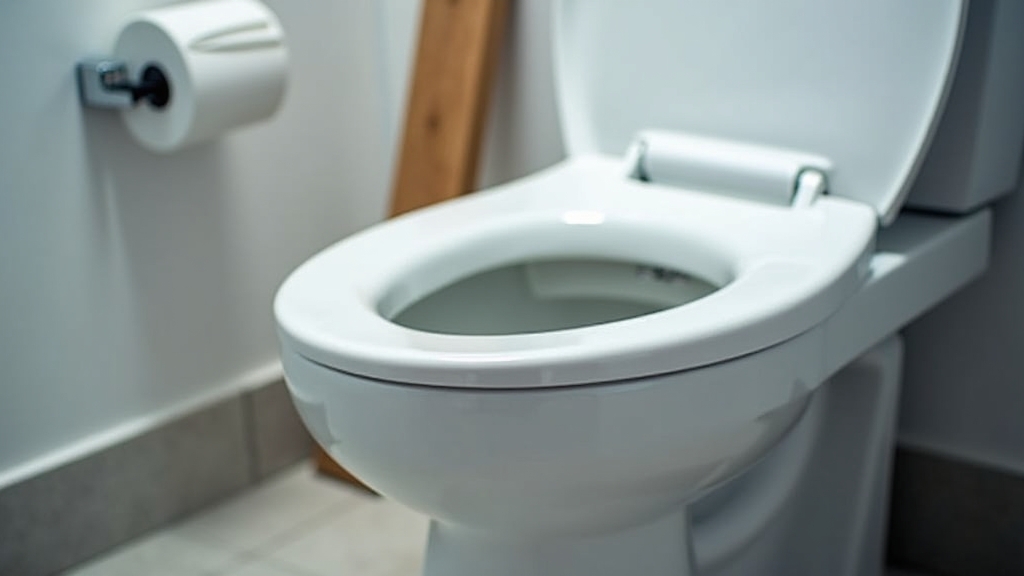
A running toilet is more than just a background nuisance; it is a significant source of water waste in the modern home. From a sustainable living perspective, a toilet that runs constantly can leak anywhere from 30 to 200 gallons of water per day, depending on the severity of the internal leak. Addressing this issue promptly is essential for water conservation efforts and maintaining the efficiency of your home’s plumbing system.
When a toilet continues to run after the flush cycle is complete, it usually indicates that water is escaping the tank and entering the bowl, causing the fill valve to stay open to replenish the lost water. This guide compares three primary approaches to resolving this issue: basic component adjustment, internal parts replacement, and full fixture upgrade.
Method 1: Component Adjustment and Cleaning
The most eco-friendly and cost-effective approach is to troubleshoot the existing parts within the tank. Often, a running toilet is caused by minor mechanical misalignments rather than part failure.
The Process
This method involves inspecting the toilet flapper, the chain length, and the fill valve height. Over time, mineral deposits from hard water can accumulate on the flapper or the flush valve seat, preventing a tight seal. Cleaning these surfaces with a soft cloth or white vinegar can often restore functionality without requiring new materials.
Pros and Cons
- Pros: Zero waste generated; no cost for parts; immediate resolution; lowest environmental footprint.
- Cons: May only be a temporary fix if the rubber is degraded; requires more frequent monitoring.
Method 2: Internal Parts Replacement
If cleaning does not stop the leak, the next step is replacing specific internal components. The primary culprits are usually the toilet flapper or the fill valve.
The Toilet Flapper
The toilet flapper is the rubber disk that prevents water from leaving the tank until you flush. Because it is constantly submerged, the rubber eventually warps or becomes brittle. Replacing a flapper is a common DIY task that requires minimal tools. Choosing a high-quality, chemical-resistant rubber can extend the life of this repair.
The Fill Valve
The fill valve controls the water level in the tank. If the float is set too high, water will constantly spill into the overflow tube. If the valve itself is faulty, it won't shut off even when the tank is full. Replacing the fill valve is more involved than the flapper but offers a more comprehensive fix for water level issues.
Pros and Cons
- Pros: Highly effective at stopping leaks; relatively inexpensive; avoids the waste of replacing an entire porcelain fixture.
- Cons: Requires specific parts that must match the toilet's specifications; involves working with the water supply line.
Method 3: Full Fixture Replacement
In cases where the toilet is several decades old, the most sustainable long-term choice may be replacing the entire unit with a high-efficiency model.
The Upgrade Approach
Older toilets can use between 3.5 and 7 gallons per flush (GPF). Modern high-efficiency toilets are designed to use 1.28 GPF or less while providing equal or better clearing power. If the porcelain is cracked or the internal hardware is obsolete, a full replacement addresses the running issue while permanently reducing the home's water footprint.
Pros and Cons
- Pros: Dramatic long-term water savings; modernizes the bathroom; eliminates potential leaks from aged seals.
- Cons: High initial cost; labor-intensive installation; creates waste (though old porcelain can sometimes be recycled).
Detailed Cost and Sustainability Comparison
To help you decide which path is right for your home, consider the following comparison based on average requirements and environmental impact.
| Factor | Adjustment | Part Replacement | Full Replacement |
|---|---|---|---|
| Initial Cost | $0 | $10 - $30 | $150 - $500+ |
| Skill Level | Beginner | Intermediate | Advanced/Professional |
| Water Savings | Stops immediate leak | Stops immediate leak | Reduces GPF significantly |
| Waste Impact | None | Small (rubber/plastic) | Large (porcelain/hardware) |
Best Use Cases for Each Approach
Choosing the right method depends on the age of your fixture and the specific symptoms you observe.
When to Choose Adjustment
If your toilet is relatively new (less than 5 years old) and the running is intermittent, a simple adjustment of the float or cleaning the flapper is the best first step. It is the most practical solution for minor mechanical hangs-ups.
When to Choose Part Replacement
If you see visible warping on the toilet flapper or if the fill valve makes a persistent hissing sound, replacing these parts is the logical choice. This is the standard procedure for toilets between 5 and 15 years old that are otherwise in good condition.
When to Choose Full Replacement
If your toilet was manufactured before 1994, it is likely consuming excessive water even when it isn't "running." In this scenario, replacing the unit is a proactive environmental choice. Additionally, if the tank has hairline cracks, replacement is necessary to prevent structural water damage to your home.
Final Recommendation and Action Steps
For most homeowners, the most balanced approach is to start with a thorough inspection and cleaning. If the running toilet persists, move to replacing the toilet flapper and fill valve. This middle-ground approach resolves the vast majority of leaks without the financial or material cost of a full renovation. However, always keep the age of the fixture in mind; if the hardware is failing and the water usage is high, a new high-efficiency toilet is a powerful investment in your home's sustainability.