Understanding the Racket: Why Your Pipes Are Screaming
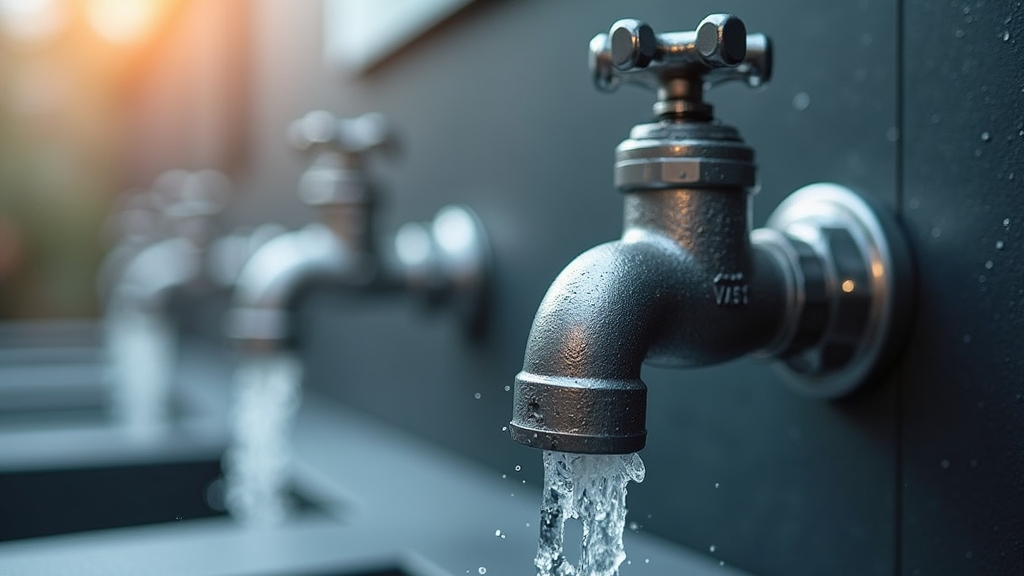
In most homes, the sound of plumbing should be a gentle hum or the distant sound of running water. However, many homeowners are startled by sudden bangs, shudders, or persistent whistling. Over the years, I have learned that a noisy pipe isn't just an annoyance; it is often a cry for help from your plumbing system. From experience, ignoring these sounds can lead to loosened joints, leaks, or even a burst pipe down the road.
The real issue usually is energy. Water is heavy and has momentum. When you shut off a faucet quickly, that momentum has to go somewhere. If your system isn't equipped to handle it, the energy slams against the pipe walls. This phenomenon is known as water hammer. In this guide, we will compare the most effective methods to silence your plumbing, from quick DIY fixes to professional hardware installations.
Option 1: Water Hammer Arrestors
What works best for sudden, violent thuds when a washing machine or dishwasher stops is the installation of water hammer arrestors. These are small chambers filled with air or a piston that act like a shock absorber for your plumbing.
Pros and Cons
- Pros: Highly effective at stopping the 'thump' at the source; relatively inexpensive; easy to install on appliances.
- Cons: Requires cutting into pipes for whole-house lines; mechanical versions can eventually fail over a decade.
A common situation is a homeowner calling me because their new high-efficiency washing machine makes the whole house shake. The key thing to remember is that modern solenoid valves in appliances close instantly, making arrestors almost mandatory for newer homes.
Option 2: Pipe Insulation and Securing
Sometimes the noise isn't a hammer, but a rattle or a rubbing sound. As hot water flows, pipes expand. If they are tight against a wooden joist, they 'creak.' If they are loose, they vibrate against the drywall. This is where pipe insulation and sturdy strapping come into play.
Pros and Cons
- Pros: Very cheap materials; improves energy efficiency by retaining heat; eliminates ticking and vibrating sounds.
- Cons: Can be difficult to access pipes behind finished walls; labor-intensive if you have a lot of exposed plumbing.
One thing many people overlook is the type of strap used. In my experience, using metal straps on copper pipes can lead to galvanic corrosion or noise. I always recommend plastic 'talon' clips that allow the pipe to slide slightly as it expands.
Option 3: Pressure Reducing Valves (PRV)
In some cases, the problem isn't the pipes at all—it’s the city’s water pressure. If your home's pressure is over 80 PSI, you are living in a high-stress environment for your plumbing. What I have found is that lowering the pressure often silences 50% of the noise issues immediately.
Pros and Cons
- Pros: Protects all appliances (water heaters, toilets, faucets) from premature wear; reduces water waste.
- Cons: Requires a professional plumber for installation; can slightly reduce the 'feel' of your shower.
Detailed Comparison Table
To help you choose the right path, here is how these methods stack up against each other:
| Method | Primary Noise Fixed | Difficulty | Cost Range |
|---|---|---|---|
| Arrestors | Loud Banging/Hammer | Medium | $15 - $50 per unit |
| Insulation | Vibration/Whistling | Low | $1 - $5 per foot |
| PRV Adjustments | High-pitched Hissing | High | $300 - $600 (Installed) |
| Air Chamber Recharge | Moderate Banging | Low | $0 (DIY) |
Cost Comparison and Best Use Cases
From a budget perspective, pipe insulation is the clear winner for those on a shoestring. For less than $50, you can wrap every exposed pipe in your basement. This is best for 'chattering' pipes or those that whistle.
If you have a specific 'bang' every time the toilet flushes, an arrestor installation is the most cost-effective surgical strike. You can buy 'screw-on' arrestors for washing machine leads that require zero tools and cost about $25. This is the 'best bang for your buck' (pun intended) for appliance-specific noise.
The PRV installation is a significant investment. I recommend this only if a pressure gauge (which you can buy for $10 at a hardware store) shows your home is consistently above 75-80 PSI. It’s a whole-house solution that pays for itself by preventing future leaks.
Final Recommendation Based on Situation
If you are dealing with a sudden loud bang when the water stops, start by checking your water pressure. If it's normal, install water hammer arrestors at the offending fixture.
If you hear ticking or rubbing sounds that start a few seconds after you turn on the hot water, your pipes are expanding and rubbing against the frame of the house. Your best bet is to locate the friction point and use felt padding or foam insulation to cushion the pipe.
One thing I always tell my clients: don't just turn up the radio to drown out the noise. A quiet home is a healthy home, and a quiet pipe is a safe pipe. Most of these fixes are well within the reach of a weekend DIYer and can save you thousands in emergency plumber calls later.