Why Regular Water Heater Maintenance is Essential
In most homes, the water heater is the unsung hero of the utility closet. We rarely think about it until the shower turns cold or we notice a puddle on the floor. From experience, I have found that a hot water tank is very much like a garden’s irrigation system; if you ignore the sediment and the buildup, the entire system eventually fails. Most people assume that once a water heater is installed, it should simply work for a decade. However, the real issue usually is that mineral deposits and internal corrosion begin the moment the tank is filled.
By dedicating an hour or two once a year to basic maintenance, you can significantly extend the life of your unit, improve its heating efficiency, and prevent catastrophic leaks. What works best is a proactive approach—addressing small issues before they become expensive replacements. In this guide, I will walk you through the practical steps to keep your hot water tank running smoothly using basic tools you likely already have in your garage or storage unit.
Essential Tools and Materials Needed
One thing many people overlook is that you don’t need specialized plumbing equipment for these tasks. If you have a few basic household tools, you are ready to begin. Here is what I recommend having on hand:
- Standard Garden Hose: This is used to drain the tank and should be long enough to reach a floor drain or the outdoors.
- Adjustable Wrench or Pipe Wrench: Essential for checking the anode rod.
- Flat-head Screwdriver: Useful for adjusting thermostat settings on electric models.
- Large Bucket: To catch small amounts of water during valve testing.
- Work Gloves and Rags: The water inside the tank will be very hot, so protection is vital.
- Thread Seal Tape: For re-sealing any connections you might loosen.
Preparation and Safety Measures
Before you touch a single valve, safety must be your priority. Working with a water heater involves high temperatures, electricity, and sometimes gas. Over the years, I have learned that skipping these preparation steps is where most DIY mistakes happen.
Step 1: Turn Off the Power or Gas
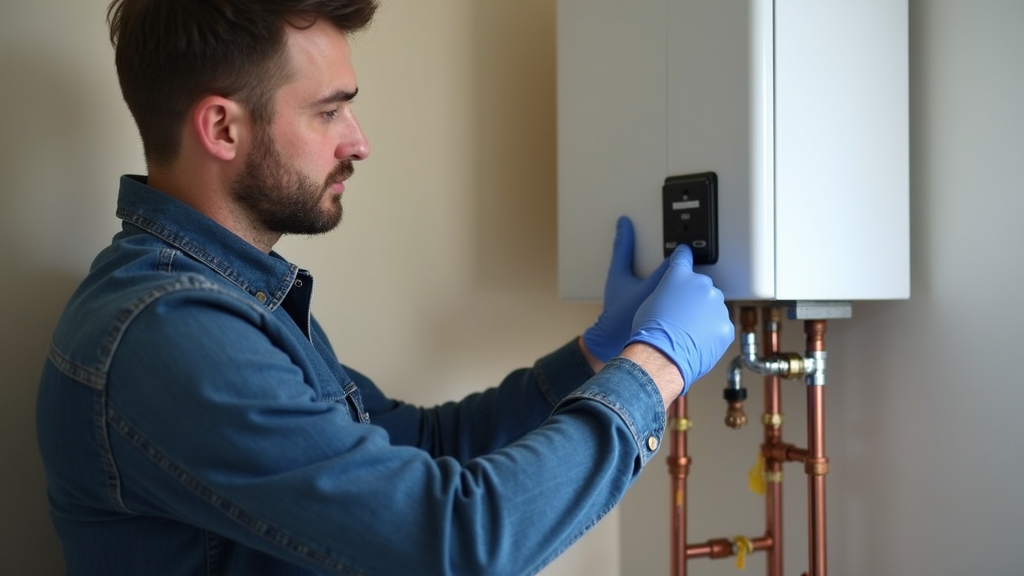
If you have an electric water heater, locate your home's circuit breaker box and flip the switch to the "Off" position for the water heater. If you have a gas unit, turn the knob on the thermostat to the "Pilot" or "Off" setting. Never attempt to drain or work on a tank that is actively heating.
Step 2: Shut Off the Water Supply
Locate the cold water intake pipe leading into the top of the tank. There should be a shut-off valve (either a lever or a round handle). Turn it clockwise until it stops. This prevents new water from entering the tank while you are trying to drain it.
Step 3: Cool Down the Water
In my experience, it is much safer to let the water sit for a few hours after turning off the power before you begin the flush. If you are in a hurry, you can run a hot water faucet elsewhere in the house to pull some of the hottest water out of the tank, but be extremely careful with the drainage process later.
Detailed Step-by-Step Maintenance Instructions
1. Testing the Temperature and Pressure (T&P) Relief Valve
The T&P valve is the most critical safety feature of your hot water tank. It is designed to open and release water if the internal pressure or temperature gets too high, preventing the tank from bursting. A common situation is that these valves can become stuck due to mineral buildup. To test it, place a bucket under the discharge pipe (the pipe running down the side of the tank). Lift the lever on the valve briefly. You should hear a hiss and see water flow into the bucket. When you release the lever, it should snap back and the water should stop. If it continues to drip or won’t move, the valve needs to be replaced immediately.
2. Flushing the Tank to Remove Sediment
Over time, minerals like calcium and lime settle at the bottom of the tank. This sediment acts as a barrier between the heating element and the water, forcing the heater to work harder. What I have found is that this is the primary cause of those "rumbling" or "popping" noises you might hear. To flush the tank, connect your garden hose to the drain valve at the bottom of the tank. Run the other end to a floor drain or outside. Open the drain valve slowly. I usually open a hot water faucet in a nearby sink to help break the vacuum and allow the water to flow out faster. Let it run until the water coming out of the hose is clear of any visible flakes or cloudy debris.
3. Inspecting the Anode Rod
The anode rod is a long metal rod that hangs inside the tank. Its sole purpose is to corrode so that your tank doesn't—it's often called a "sacrificial rod." If the rod is completely eaten away, the water will start attacking the steel walls of the tank itself. Use your wrench to unscrew the hex head at the top of the tank. Pull the rod out. If you see more than six inches of the core wire exposed, or if it looks heavily pitted and thin, it’s time for a new one. This is the single best way to prevent your tank from rusting through.
4. Adjusting the Thermostat
Many manufacturers set the default temperature to 140°F (60°C). However, for most households, 120°F (48°C) is more than sufficient. Not only does this reduce the risk of scalding, but it also saves a significant amount on your monthly energy bill and slows down the accumulation of mineral scale. On gas heaters, the dial is usually on the outside. On electric heaters, you may need to remove a small panel to access the thermostat screw.
Tips for Best Results
To get the most out of your water heater maintenance, consistency is key. I recommend marking your calendar for a yearly check-up. If you live in an area with particularly "hard" water (high mineral content), you might find that flushing the tank every six months is more effective. Another tip many people overlook is the benefit of insulation. If your tank is in an unheated garage or basement, wrapping it in an insulation blanket (specifically designed for water heaters) can prevent heat loss. Similarly, insulating the first few feet of the hot water pipe leaving the tank will help maintain the temperature as the water travels to your faucet.
Troubleshooting Common Issues
Even with regular care, issues can arise. Here is how to handle the most frequent problems:
- No Hot Water: For electric units, check the reset button on the thermostat or the breaker. For gas units, check if the pilot light has gone out. The real issue usually is a faulty heating element or a thermocouple.
- Foul Odor (Rotten Egg Smell): This is typically caused by bacteria reacting with the minerals in the tank. Replacing a standard magnesium anode rod with a zinc-aluminum rod often solves this.
- Popping or High-Pitched Whining: This is almost always caused by heavy sediment. If a standard flush doesn't fix it, you may need to use a descaling solution or a more thorough manual cleaning of the tank's bottom.
- Slow Recovery Time: If it takes forever for the water to get hot again after someone showers, your heating elements may be coated in scale or reaching the end of their life.