The Challenge of Low-Light Office Environments
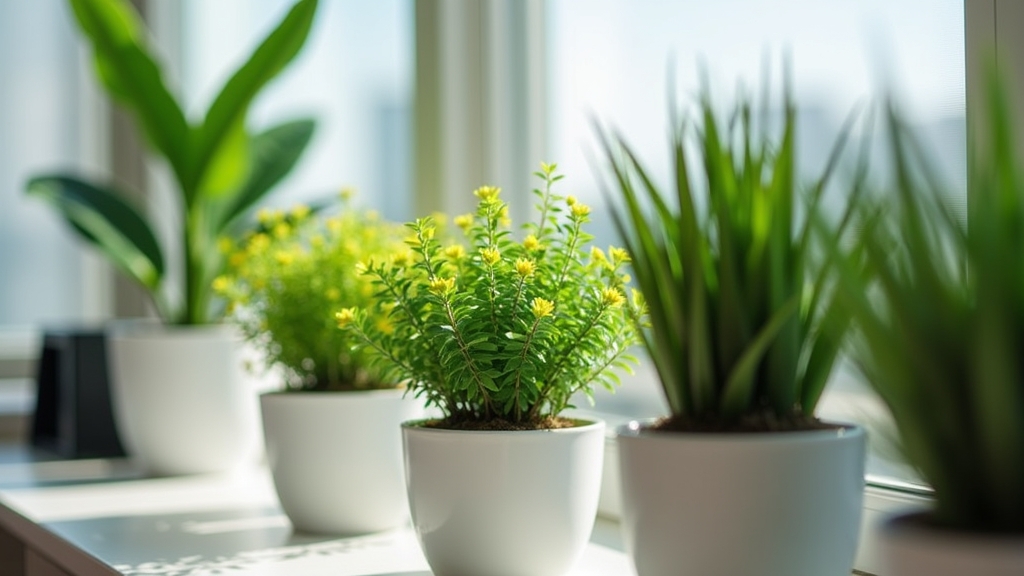
In most homes and corporate offices, natural light is a luxury. From experience, I have found that the biggest hurdle to a thriving indoor garden isn't a lack of a green thumb, but rather the mismatch between plant species and the specific light levels of a room. When choosing desk plants for an office, you aren't just looking for decor; you are looking for biological machines that improve office air quality while demanding very little in return.
What works best is selecting species that have evolved in the dense shade of tropical rainforests. These plants are biologically primed to photosynthesize efficiently in sub-optimal conditions. However, the decision isn't just about the plant—it's about the management. Over the years, I have learned that the success of an office plant depends largely on whether the maintenance is handled personally or through a professional service.
Top Low-Light Office Plants for Better Air Quality
Before deciding on a management strategy, you need the right inventory. These selections are proven winners in low-light environments.
The Indestructible Snake Plant
A snake plant in the office is the gold standard for durability. In my experience, Sansevieria is one of the few plants that continues to convert CO2 into oxygen at night. The key thing to remember is that these plants thrive on neglect; their rhizomes store water efficiently, making them perfect for busy professionals who might forget a watering cycle.
ZZ Plant (Zamioculcas zamiifolia)
One thing many people overlook is the ZZ plant’s ability to survive in windowless interior rooms with only fluorescent overhead lighting. It features waxy, deep green leaves that reflect light, adding a lush feel to any corner. What I have found is that they are virtually pest-resistant, which is crucial in a professional setting where you don't want to deal with fungus gnats.
Pothos (Epipremnum aureum)
Pothos is the ultimate starter plant for indoor plants enthusiasts. Its trailing vines can be trained to grow along shelves or down the sides of a filing cabinet. Beyond aesthetics, Pothos is a powerhouse for removing toxins like formaldehyde and benzene from the air.
DIY vs. Professional Plant Maintenance: A Comparison
Choosing between a DIY approach and hiring a professional landscaping specialist depends on the scale of your office and your budget.
Option 1: The DIY Approach
DIY plant care is best suited for individuals or small teams with 5-10 plants. It allows for a personal connection to your workspace. The real issue usually is consistency. People tend to overwater when they are stressed or underwater when they are busy.
- Pros: Low initial cost, creative control, therapeutic benefits.
- Cons: Risk of plant death due to lack of knowledge, time-consuming for large offices, potential for mess during repotting.
Option 2: Professional Interior Landscaping
For larger corporate environments, hiring a specialist like myself ensures that the office air quality remains high without any staff intervention. Professionals provide 'plant guarantees'—if a plant looks sickly, it is replaced immediately at no extra cost.
- Pros: Guaranteed aesthetic consistency, expert pest management, specialized fertilization schedules.
- Cons: Ongoing monthly service fees, less personal involvement in the plant's growth.
Cost Comparison and Resource Allocation
A common situation is underestimating the hidden costs of DIY care. While a DIY snake plant may cost $30 at a nursery, you must also factor in high-quality potting mix, decorative containers with drainage, and your own hourly rate spent on maintenance. In contrast, professional services usually charge a flat monthly fee (ranging from $100 to $500 depending on volume) which includes the plants, the containers, and the labor.
Best Use Cases: When to Choose Which Path
If you are a freelancer working from a home office, a DIY approach is almost always the right move. You can monitor the humidity levels and adjust placement as the seasons change. However, for a 50-person tech firm with high-end furniture, the risk of water damage from a leaky DIY pot is too high. In these cases, professional sub-irrigation systems and expert monitoring are essential.
Final Recommendation
For the best results, I recommend a hybrid approach for most mid-sized businesses. Buy a few high-impact desk plants for personal workstations that employees can care for themselves to boost morale. For common areas and lobbies, hire a professional to maintain large-scale installations that define the company's brand and air quality standards. The key thing to remember is that a dying plant is worse for office morale than no plant at all.