Transforming Your Unused Space into a High-Efficiency 'Cloffice'
Here is the thing: most of us have a closet overflowing with things we haven't touched in three years, while we simultaneously struggle to find a quiet place to work. As an energy efficiency advisor, I see this as a massive opportunity. Why heat, cool, and light an entire spare bedroom when you can consolidate your professional life into a high-performance 'cloffice'?
Creating a small workspace within an existing footprint is the ultimate exercise in sustainable living. By repurposing a closet, you are reducing your home's active footprint and potentially lowering your utility bills by focusing your task lighting and climate needs into a tiny, manageable zone. However, not all closet conversions are created equal. Depending on your budget, DIY skills, and the type of closet you have, your approach will vary significantly.
The Philosophy of the Small Workspace
Now, the important part of this transition isn't just about shoving a desk behind a door. It’s about ergonomics and efficiency. When you work in a confined space, every watt of power and every inch of airflow matters. In this guide, we will compare the three most effective ways to approach a closet desk DIY project: the Freestanding Minimalist, the Wall-Mounted Floating System, and the Full Walk-in Office Suite.
Option 1: The Freestanding Minimalist (Best for Renters)
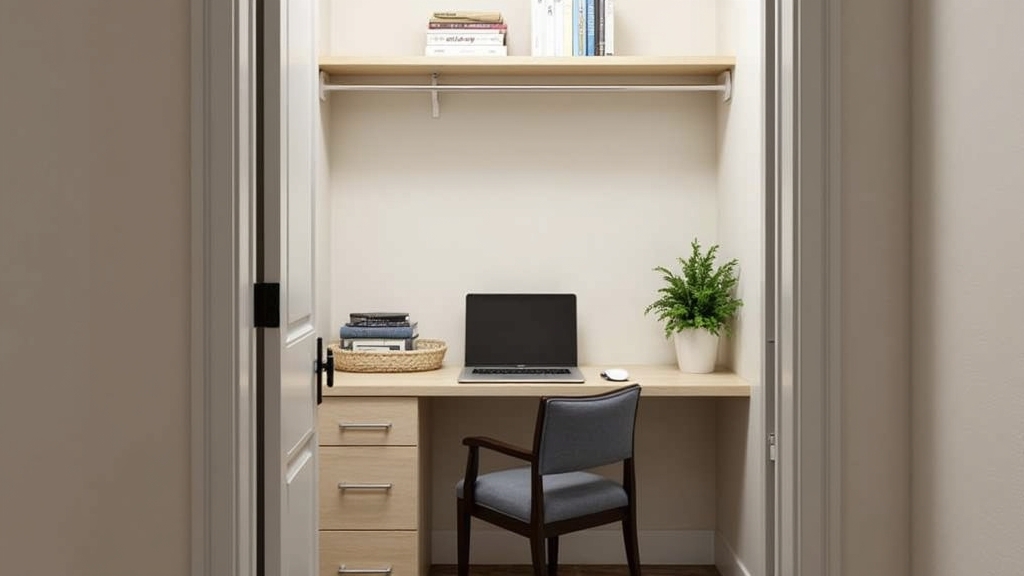
This is the most straightforward approach to cloffice ideas. It involves removing the closet doors (or keeping them if they fold) and sliding a pre-made desk into the cavity. This is ideal for standard reach-in closets that are roughly 24 inches deep.
The Pros and Cons
- Pros: Extremely low cost, no permanent modifications required, and very fast to set up.
- Cons: Limited legroom, often leaves wasted vertical space, and can feel cramped if the desk doesn't fit the width perfectly.
Worth mentioning is that with this setup, you often have gaps on the sides of the desk. This is where most people miss a chance for extra storage. You can fill those gaps with slim rolling carts to maximize every inch of the closet's width.
Option 2: The Wall-Mounted Floating Desk (Best for Ergonomics)
This is where it gets interesting for those who want a custom look without the custom price tag. By using heavy-duty brackets or a track system (like the IKEA Boaxel or Elfa systems), you can mount a desktop directly to the wall studs.
The Energy Efficiency Edge
The good news is that floating systems allow for much better airflow. In a small closet, heat from your laptop or monitor can build up quickly. By keeping the floor clear, you allow air to circulate more freely, preventing your hardware from overheating and your cooling system from working overtime.
The Pros and Cons
- Pros: Fully customizable height, maximizes floor space for a footrest or trash bin, and provides a sleek, modern aesthetic.
- Cons: Requires basic power tool knowledge, requires finding wall studs, and involves permanent holes in the drywall.
Option 3: The Walk-in Closet Suite (Best for Full-Time Remote Work)
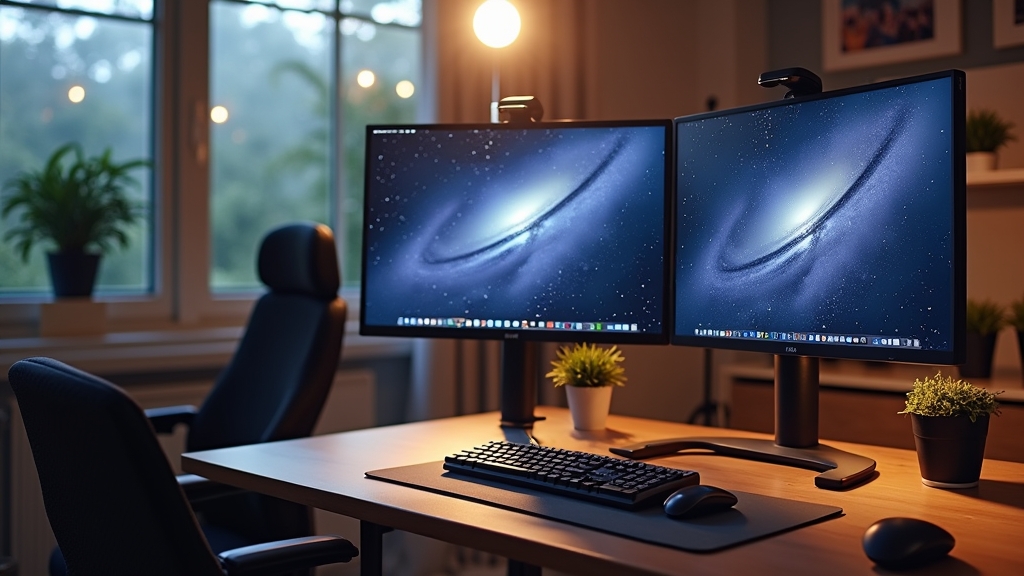
If you are lucky enough to have a walk-in closet, you aren't just building a desk; you are building a micro-room. This approach allows for a 'wrap-around' desk or an L-shaped configuration.
Climate and Lighting Considerations
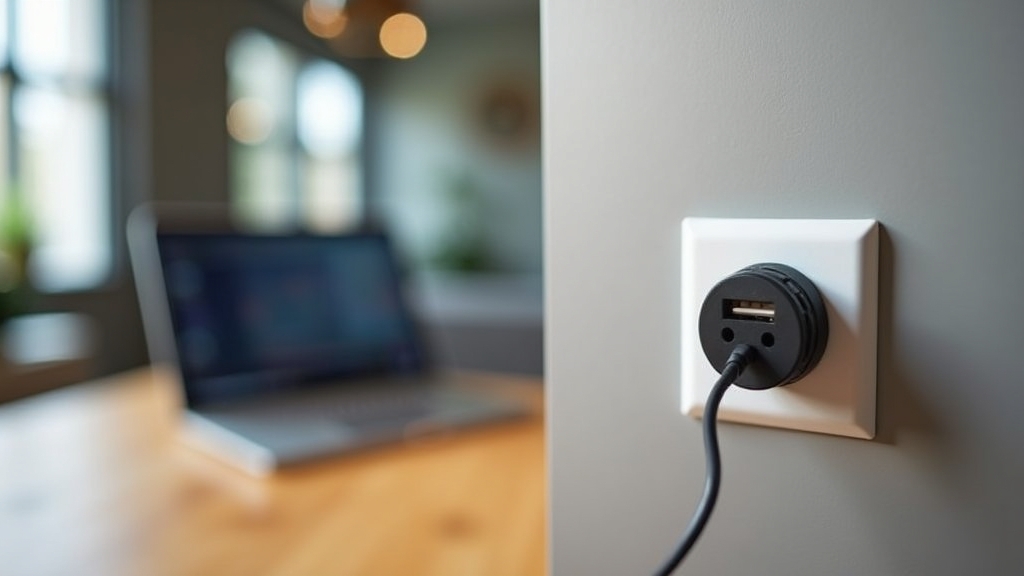
Something to keep in mind with walk-in closet offices is the 'dead air' factor. Most closets do not have supply or return vents for your HVAC system. On the other hand, a small USB-powered fan and a high-efficiency LED lighting plan can make this space the most comfortable spot in the house without requiring you to turn down the thermostat for the whole floor.
- Pros: Total privacy, room for multiple monitors, and significant storage for office supplies.
- Cons: Higher cost, requires careful lighting planning to avoid eye strain, and potential ventilation issues.
Detailed Cost Comparison
Let's break down the financial investment for each method. Remember, as an advisor, I always recommend investing in quality LED lighting and a smart power strip to recoup costs through energy savings.
| Feature | Freestanding Minimalist | Wall-Mounted Floating | Walk-in Suite |
|---|---|---|---|
| Estimated Cost | $50 - $200 | $150 - $450 | $500 - $1,500+ |
| Difficulty Level | Beginner | Intermediate | Advanced/Pro |
| Time to Complete | 1-2 Hours | 4-6 Hours | 2-4 Days |
| Energy Impact | Low (Task light only) | Optimized (Airflow) | Moderate (Needs ventilation) |
Best Use Cases for Each
Choosing the right cloffice depends entirely on your lifestyle. If you are a student or someone who only uses a laptop for an hour a day, the Freestanding Minimalist is your best bet. It’s cheap and gets the job done.
For the 9-to-5 remote professional, I almost always recommend the Wall-Mounted Floating Desk. The ability to set the desk at the exact ergonomic height for your body prevents long-term health costs (back pain) and creates a more professional atmosphere.
The Walk-in Closet Office is reserved for those who need a sanctuary. If your job involves frequent video calls and you need a permanent 'set' that you can close the door on at 5 PM, this is the way to go. Just ensure you use low-VOC paints and sustainable materials to keep the air quality high in such a small space.
Final Recommendation Based on Your Situation
If you are looking for the sweet spot between cost and functionality, Option 2 (The Wall-Mounted Floating Desk) is the winner. It offers the best airflow for energy efficiency and the best ergonomics for your body.
Before you start drilling, measure three times. Closets are notoriously 'un-square.' This is where most people miss the mark—they assume the walls are perfectly straight. Use a level and a stud finder to ensure your workspace is safe and durable. Finally, swap out any old incandescent bulbs in the closet for 5W-9W LEDs (3000K to 4000K color temperature) to create a bright, inviting space that doesn't heat up like an oven.