Solving the Cold Attic Office Problem
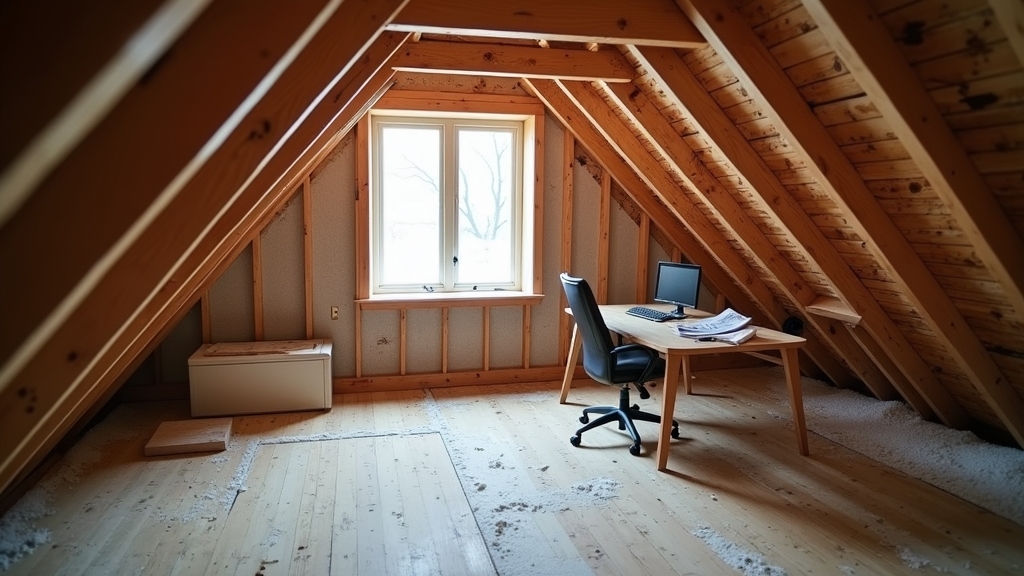
Working from home offers flexibility, but many homeowners find that an attic conversion becomes unbearable when winter arrives. If you are struggling with a drafty office, you are not alone. Attics are naturally the most difficult part of a home to regulate. Because heat rises, it often escapes through the roof in the winter, leaving your workspace chilly and your heating bills high.
Here is the thing: most people try to solve this by simply turning up the thermostat. However, if your attic lacks proper insulation, you are essentially paying to heat the neighborhood. This guide explores the most cost-effective ways to improve your attic's thermal performance, from quick weatherproofing tasks to professional insulation upgrades.
Identifying Heat Loss Zones
Before spending money, you must identify where the cold air enters. Common culprits include recessed lights, knee walls, and the attic hatch. What most people miss is the 'stack effect.' This is a physical process where warm air escapes through the top of the house, pulling cold air in through the lower levels. In an attic office, this manifests as a constant, subtle breeze around your ankles.
Option 1: Weatherproofing Your Workspace
Weatherproofing is the most affordable way to reclaim your comfort. These are DIY-friendly tasks that focus on sealing air leaks rather than adding bulk insulation.
Window Film and Weatherstripping
If your office has older windows, they likely leak air. Applying a clear plastic window film creates an airtight seal that mimics double-pane glass. Additionally, replacing worn-out weatherstripping around the window sashes can stop drafts immediately. For example, a roll of adhesive foam weatherstripping costs less than $10 and takes minutes to install.
Sealing the Attic Hatch
The door or hatch leading into the attic is often a major source of heat loss. Because it is a literal hole in your ceiling, it allows conditioned air to bypass your walls. The good news is that you can buy pre-made attic tent covers or apply rigid foam board to the back of the hatch to create a thermal break.
Option 2: Supplemental Heating Strategies
Sometimes, the structure itself is fine, but the existing HVAC system cannot reach the third floor effectively. In this case, portable heaters become a primary tool.
Ceramic vs. Infrared Heaters
Ceramic heaters blow hot air into the room. They work quickly but can dry out the air. On the other hand, infrared heaters work like the sun; they heat objects and people directly rather than the air. If you sit at a desk for eight hours, an infrared heater pointed at your legs is often more efficient because it doesn't have to heat the entire volume of the attic to make you feel warm.
The Role of Rugs and Textiles
Now, the important part: don't underestimate the floor. Attic floors are often cold because there is no heated space beneath some sections, such as over a garage. Adding a thick wool rug with a felt pad provides a layer of insulation for your feet. It prevents the floor from siphoning heat away from your body.
Option 3: Permanent Attic Insulation Upgrades
If the temporary fixes aren't enough, you need to look at the actual insulation behind your walls and under your floorboards. This is where it gets interesting because the material you choose dictates both the cost and the performance.
Fiberglass Batts
Fiberglass is the traditional choice. It is relatively inexpensive and easy to install between rafters. However, it performs poorly if air is moving through it. If you choose fiberglass, you must air-seal the gaps with spray foam first.
Blown-In Cellulose
Cellulose is made from recycled paper treated with fire retardants. It has a higher R-value (insulating power) per inch than fiberglass. Contractors use a machine to blow this material into floor cavities or behind knee walls. It fills small crevices better than batts do.
Spray Foam Insulation
Closed-cell spray foam is the gold standard. It acts as both an insulator and an air barrier. While it is the most expensive option, it provides the highest energy savings over time. It is particularly useful in 'hot roof' setups where the insulation is applied directly to the underside of the roof deck.
Cost Analysis: Upfront vs. Long-term Savings
Budgeting for a home office upgrade requires looking at both the initial price tag and the monthly utility savings. Worth mentioning is that some of these upgrades qualify for federal tax credits.
- Weatherproofing: $50–$200. These pay for themselves within one winter season by reducing furnace runtime.
- Portable Heaters: $40–$150. While cheap to buy, they increase your electric bill. Use them only when you are in the room.
- Professional Cellulose Insulation: $1,200–$2,500 for a standard attic. This can reduce heating costs by 15-20% annually.
- Spray Foam: $2,500–$5,000+. This has the longest payback period but offers the most comfort.
Comparing the Methods
Something to keep in mind is that you don't have to choose just one. Most effective attic offices use a combination of these methods. For instance, you might air-seal the windows (weatherproofing) and add a small infrared heater (supplemental heat) while you save up for professional insulation.
| Method | Ease of Installation | Impact on Comfort | Estimated Cost |
|---|---|---|---|
| Window Film | Very Easy | Low/Medium | $20 |
| Draft Stoppers | Very Easy | Low | $15 |
| Cellulose (Professional) | Difficult | High | $1,500+ |
| Infrared Heater | Plug & Play | Medium | $80 |
Final Recommendation: Which Path Should You Take?
If you are a renter, focus exclusively on weatherproofing workspace elements like window film and draft stoppers. These are reversible and low-cost.
If you are a homeowner on a budget, prioritize air-sealing. Go into the attic and use expandable spray foam to seal gaps around pipes and wires. This provides the highest return on investment. Once the air leaks are gone, evaluate if you still need supplemental heat.
For those planning to stay in their home for more than five years, professional attic insulation is the best choice. It solves the problem at the source and increases your home's resale value. No amount of portable heating can match the comfort of a properly insulated building envelope.