The Problem with Horizontal Thinking
Most home offices suffer from a common affliction: the expanding footprint. When we run out of space, our first instinct is usually to buy a larger desk or add another filing cabinet. Here is the thing: adding more furniture rarely solves the underlying clutter problem. It just gives you more surface area to fill. As a property manager, I have seen dozens of home offices become unusable because the occupant focused entirely on horizontal space.
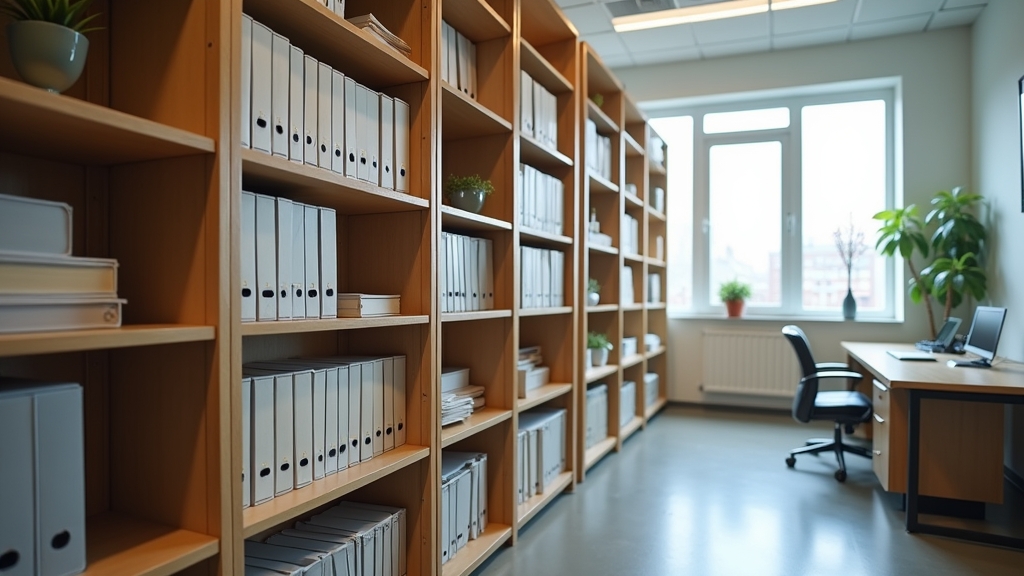
Vertical storage is the only way to reclaim your floor space and keep your desk clear for actual work. However, many people approach verticality as a temporary fix. They use adhesive hooks that peel off the paint or cheap laminate shelves that sag under the weight of a few books. If you want a setup that lasts as long as the house itself, you need to think about structural integrity and long-term utility.
Root Causes of Office Clutter
Why does vertical space go unused? It usually comes down to three factors. First, there is the fear of damaging walls. Many renters and even homeowners hesitate to drill into drywall because they are afraid of hitting a wire or creating a repair project. Second, people often underestimate the weight of office supplies. A stack of paper or a few reference books is surprisingly heavy. Third, there is a lack of planning. Without a system, the wall becomes a chaotic gallery of random hooks rather than a functional storage hub.
What most people miss is that wall storage is not just about clearing the desk. It is about ergonomics. When you move your most-used items to the 'active zone'—the area between your waist and eye level—you reduce strain and improve your workflow. On the other hand, items you only need once a month should live near the ceiling. This hierarchy of access is what separates a professional setup from a temporary band-aid.
Immediate Steps to Take
Before you buy a single shelf, you must assess your walls. Now, the important part: you need to find your studs. Standard drywall is not designed to hold significant weight. If you plan on installing floating shelves or a heavy pegboard, you must anchor them into the wooden framing behind the wall. Use a high-quality stud finder to map out your office walls. Mark the centers of the studs with a pencil.
Next, clear your desk completely. You cannot visualize a vertical system while looking at a mess. Sort your items into three piles: everyday essentials, occasional needs, and deep storage. This audit tells you exactly how many linear feet of shelving or how much pegboard square footage you actually require. Something to keep in mind is that we often keep more than we use. If you haven't touched a piece of equipment in six months, it belongs in a closet, not on your prime wall real estate.
Long-Term Strategies for Vertical Storage
Floating Shelves Done Right
Floating shelves are the gold standard for a clean, modern look. The problem is that most retail 'floating shelf' kits use flimsy brackets that eventually pull away from the wall. For a permanent fix, I recommend using heavy-duty steel hidden brackets that screw directly into the studs. These can support 50 to 100 pounds per shelf, meaning you can actually store books on them without fear.
If you are building your own, use solid wood like oak or maple. These materials resist warping over time. Avoid MDF (medium-density fiberboard) for long spans, as it will eventually 'smile' or sag in the middle under its own weight. This is where it gets interesting: if you stagger your shelves at different heights, you create a more dynamic look while accommodating taller items like printers or large monitors.
The Versatility of the Pegboard Office
A pegboard office setup is perhaps the most flexible storage solution available. While traditionally found in garages, metal or high-grade wood pegboards have become a staple in small office storage. The key to a long-lasting pegboard is the mounting frame. Never screw a pegboard directly against a flat wall; you need a gap behind it for the hooks to fit.
Worth mentioning is the move toward metal pegboards. Unlike the old-fashioned pressboard variety, metal boards do not chip or wear down at the holes. They also allow you to use magnetic accessories, which adds another layer of organization. Use them for your 'active' tools: headphones, charging cables, scissors, and stationery. By keeping these off the desk, you maintain a clear headspace.
Modular Wall Organizers
For documents and mail, wall organizers are superior to desk trays. Look for modular systems made of powder-coated steel. These systems usually involve a rail mounted horizontally across the wall. You can then hang bins, folders, and pencil cups from the rail. The good news is that these systems are highly adaptable. As your career or hobbies change, you can swap out the components without drilling new holes in your wall.
When to Call a Professional
While most vertical storage can be a DIY project, there are times when you should call in a pro. If you are planning a floor-to-ceiling library wall, the weight can be immense. A professional can ensure the wall's structure can handle the load. Additionally, if you want to integrate lighting into your shelves, an electrician should handle the wiring to ensure it meets local fire codes. Lastly, if you live in an older home with plaster-and-lath walls, mounting anything heavy can be tricky. Plaster is brittle and prone to cracking, and a professional handyman will have the specialized bits and anchors to do the job safely.
Summary of Permanent Fixes
Creating a functional vertical office is about moving away from plastic bins and adhesive tape. It requires solid wood, steel brackets, and a firm connection to the home's framing. By treating your wall storage as a permanent architectural feature rather than an afterthought, you create an environment that supports focus and productivity for years to come. Stop looking at your desk for more space; the solution has been right in front of you the whole time—on the walls.