Understanding the Battle Between Natural Light and Productivity
In most homes I have renovated over the last thirty years, the home office is often an afterthought—a converted spare bedroom or a nook in the basement. Homeowners usually want as much natural light as possible, but once they sit down to work, they realize that the very windows they prized are making their screens unreadable. From experience, the frustration of squinting at a monitor all day isn't just a minor annoyance; it leads to eye strain, headaches, and a significant drop in productivity. What I have found is that solving screen glare isn't about blocking out the sun entirely; it’s about managing how that light enters and interacts with your workspace.
The Root Causes of Monitor Glare
The real issue usually isn't the light itself, but the angle and intensity of it. A common situation is a desk placed directly opposite a south-facing window. In the Northern Hemisphere, south-facing windows receive the most consistent and intense sunlight throughout the day. When that light hits your monitor, it washes out the colors and creates a mirror effect.
Direct vs. Indirect Light
One thing many people overlook is the difference between direct glare and veiling reflections. Direct glare happens when the sun is in your field of vision, forcing your pupils to constrict while you try to look at a darker screen. Veiling reflections occur when the light bounces off the glass of your monitor or even off the wall behind you and then onto your screen. Over the years, I have learned that even light-colored walls can act like a giant reflector, bouncing harsh light back onto your workstation.
Window Orientation and Time of Day
The orientation of your home dictates when the glare will be at its worst. East-facing windows are a nightmare for morning workers, while west-facing windows can make an afternoon session unbearable as the sun sits lower in the sky. Low-angle sunlight is particularly difficult to manage because it travels deeper into the room, often hitting surfaces that are usually in the shade during midday.
Immediate Steps to Take for Glare Reduction
Before you go out and buy expensive hardware, there are several structural and organizational adjustments you can make. What works best is often the simplest solution that addresses the physics of light.
Repositioning Your Workspace
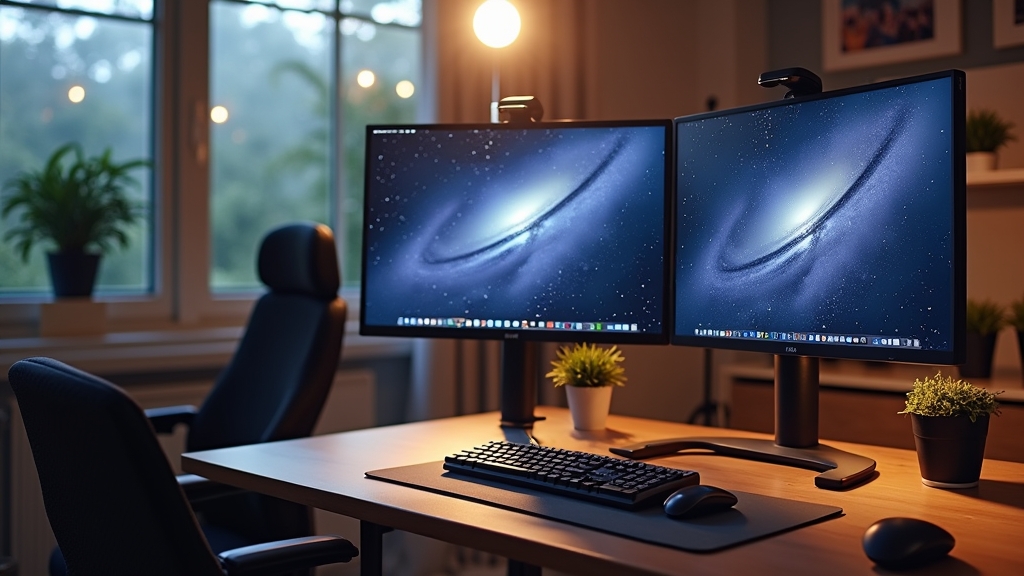
In my experience, the single most effective move is to place your monitor perpendicular to the window. This means the window should be to your side, not in front of you or behind you. If the window is behind you, it will reflect directly onto the screen. If it is in front of you, the contrast between the bright window and the darker monitor will cause significant eye fatigue. By placing the window at a 90-degree angle to your desk, you significantly reduce the chance of direct reflections while still benefiting from office natural light.
Managing Surface Reflections
Look at the surfaces around your monitor. Is your desk a high-gloss white? Are there framed pictures with glass covers on the wall behind you? A common situation is that these surfaces catch the light and bounce it toward your eyes. Swapping a glass-topped desk for a matte finish or simply putting down a large dark desk mat can make a world of difference. The key thing to remember is that every reflective surface in the room is a potential source of glare.
Long-Term Prevention Strategies
If moving the furniture isn't enough, it’s time to look at more permanent modifications to the building's envelope. This is where professional-grade solutions come into play.
Utilizing High-Quality Window Film
One of the most effective ways to handle glare without losing your view is the application of window film. I’ve installed miles of this stuff over the years. Modern window films are not the purple, bubbling plastic you might remember from old cars. Professional-grade solar films or ceramic films can block up to 80% of solar heat and significantly reduce the VLT (Visible Light Transmission). By lowering the VLT, you essentially put sunglasses on your windows. This softens the incoming light and eliminates the harsh brightness that causes monitor glare, all while maintaining clarity and outward visibility.
The Role of Blackout Curtains and Shading
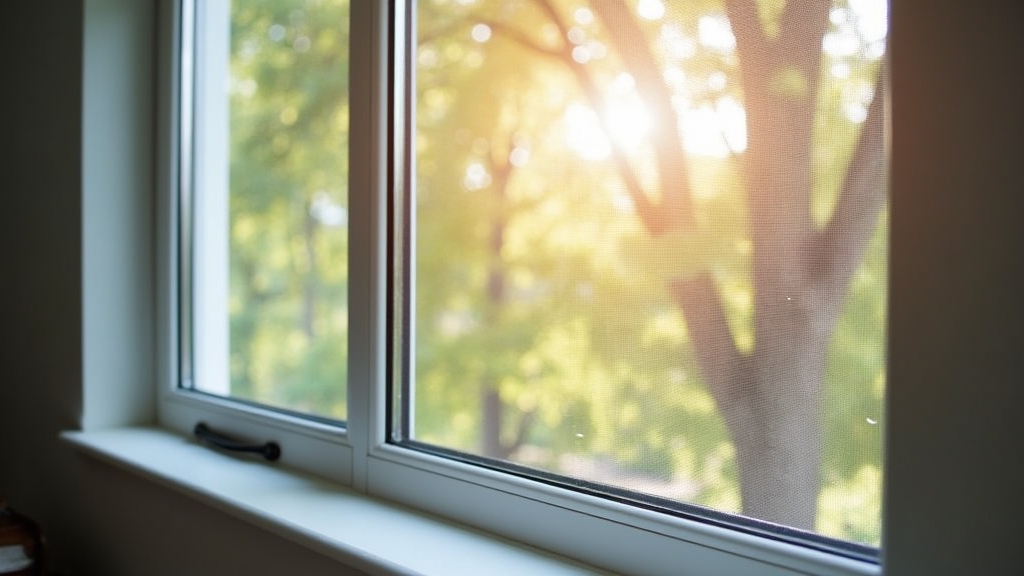
While I love a view, sometimes you need total control. Blackout curtains are a staple for a reason. However, what I have found is that many people install them incorrectly. To truly prevent light leakage, you need to use a wrap-around rod that allows the fabric to touch the wall, or install side channels. If you don't want total darkness, consider "solar shades." These are mesh-like blinds that come in different "openness factors." A 3% or 5% openness factor allows you to see the trees outside while diffusing the sunlight into a manageable glow.
Architectural and Landscaping Solutions
From a contractor’s perspective, sometimes the solution is outside the house. Planting a deciduous tree outside your office window provides a natural filter. In the summer, the leaves provide shade and diffuse the light; in the winter, when the sun is lower and less intense, the leaves fall and let more light in. Alternatively, installing an exterior awning or deep eaves can prevent high-angle summer sun from ever hitting the glass in the first place.
When to Call a Professional
While many of these fixes are DIY-friendly, there are times when you should bring in a pro. If you have high-end, double-paned windows, you must be careful with aftermarket window films. Applying the wrong film can trap heat between the panes and cause the thermal seal to fail or even crack the glass. In these cases, consult a window specialist. Additionally, if you are looking into automated exterior shading systems or high-end integrated motorized blinds, a licensed contractor will ensure the electrical work is up to code and the structural mounting is secure.
Conclusion
Reducing screen glare is a game of angles and filtration. By understanding how the sun moves around your home and how surfaces reflect that light, you can create a workspace that is both bright and functional. Start with the free moves—like turning your desk—and then progress to more permanent solutions like film or specialized window treatments. Your eyes will thank you at the end of a long workday.