The Reality of Soundproofing: Mass vs. Absorption
In my years managing properties, I’ve seen homeowners throw thousands of dollars at 'acoustic foam' only to realize they can still hear their neighbor’s TV perfectly. To achieve a truly quiet home office, you must understand the difference between sound absorption and soundproofing. Absorption (foam) stops echoes inside the room; soundproofing (mass and decoupling) stops noise from entering the room through a shared wall.
Sound is like water; it will find the path of least resistance. If you don't address the structural transmission of vibration, you aren't soundproofing—you're just decorating.
Option 1: The Gold Standard (Double Drywall and Damping)
This is the most effective fix I’ve ever implemented. It involves adding a second layer of 5/8" drywall over your existing wall, sandwiching a specialized damping compound like Green Glue in between.
How it Works
The damping compound converts sound energy into heat. By using 5/8" drywall—which is denser than standard 1/2"—you add significant mass that prevents the wall from vibrating.
Pros and Cons
- Pros: Highest STC (Sound Transmission Class) rating improvement; permanent; adds fire resistance; can be finished to look like a standard wall.
- Cons: Messy installation; requires moving electrical outlets forward; adds about 3/4" of thickness to the wall.
Option 2: Mass Loaded Vinyl (MLV) Internal Barriers
MLV is a dense, flexible material often used in luxury condos. It’s a high-performance home office soundproofing solution that packs a lot of mass into a thin profile (usually 1/8").
The Proper Application
To do this right, you ideally strip the existing drywall, staple the MLV to the studs, and then install new drywall. However, you can also apply it over existing drywall, though it is heavy and difficult to hang alone. Trust your instincts on this: if you can't find the studs, don't hang 100lb rolls of vinyl on your wall.
Pros and Cons
- Pros: Exceptional at blocking airborne noise (voices, music); relatively thin.
- Cons: Expensive; heavy and difficult to handle; requires sealing every seam with specialized tape to be effective.
Option 3: Acoustic Panels (The Supplemental Fix)
Let’s be clear: acoustic panels DIY projects are for managing internal echoes, not for blocking the neighbor's barking dog. However, if your shared wall is thin, high-quality mineral wool panels can provide a marginal reduction in high-frequency noise transmission.
Why Material Choice Matters
Avoid the cheap 'egg crate' foam. It does almost nothing. If you go this route, build or buy panels filled with Rockwool (mineral wool). These are denser and offer better NRC (Noise Reduction Coefficient) ratings.
Pros and Cons
- Pros: Easy to install; aesthetic customization; great for improving your own microphone quality during Zoom calls.
- Cons: Low impact on sound leakage; does not block low-frequency vibrations (bass).
The Hidden Culprits: Air Gaps and Outlets
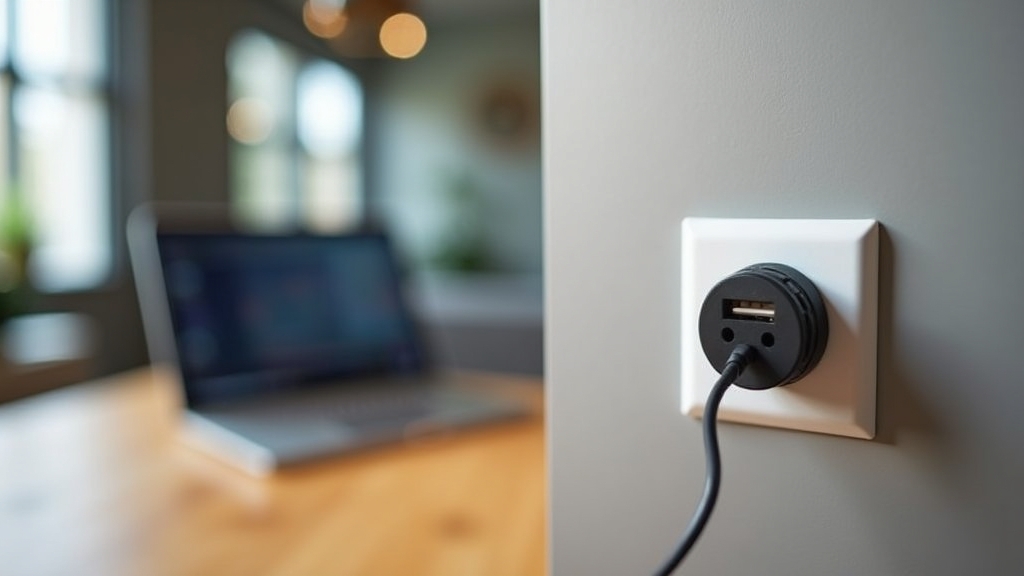
I have seen $5,000 soundproofing jobs fail because the contractor forgot the electrical outlets. Sound travels through air. If air can pass through, sound will too. Small details matter here.
- Acoustic Sealant: Use a non-hardening acoustic caulk around the perimeter of the wall and behind baseboards.
- Putty Pads: Wrap your electrical boxes in intumescent putty pads. This prevents the 'hollow' box from acting as a megaphone through the wall.
- Door Gaskets: Most noise 'through the wall' is actually coming through the gap under the office door. Install a solid-core door and a drop-down seal.
Detailed Cost Comparison
Costs are based on a standard 10x8 (80 sq. ft.) shared wall. These are realistic estimates for materials and basic labor.
| Method | Material Cost | Labor (Pro) | Effectiveness |
|---|---|---|---|
| Double Drywall + Green Glue | $250 - $400 | $500 - $800 | High (Best Value) |
| Mass Loaded Vinyl (MLV) | $150 - $300 | $400 - $600 | High |
| Rockwool Acoustic Panels | $200 - $500 | DIY ($0) | Low to Moderate |
| Sealing & Putty Pads | $50 - $100 | $150 | Essential (Supplemental) |
Final Recommendation Based on Situation
If you own the home: Go with the Double Drywall + Green Glue method. It is a permanent fix that increases property value and provides the quietest environment for a professional home office. It is worth doing right the first time.
If you are a renter: Focus on high-density Rockwool panels and heavy 'soundproof' curtains. While they won't block all sound, they are portable and require minimal wall damage.
The 'Secret' Budget Fix: If you can't afford a full renovation, seal the perimeter with acoustic caulk and install a heavy floor-to-ceiling bookshelf filled with books against the shared wall. The irregular surface and mass of the books provide a surprising amount of diffusion and absorption.