Deep Cleaning Your Kitchen Exhaust System
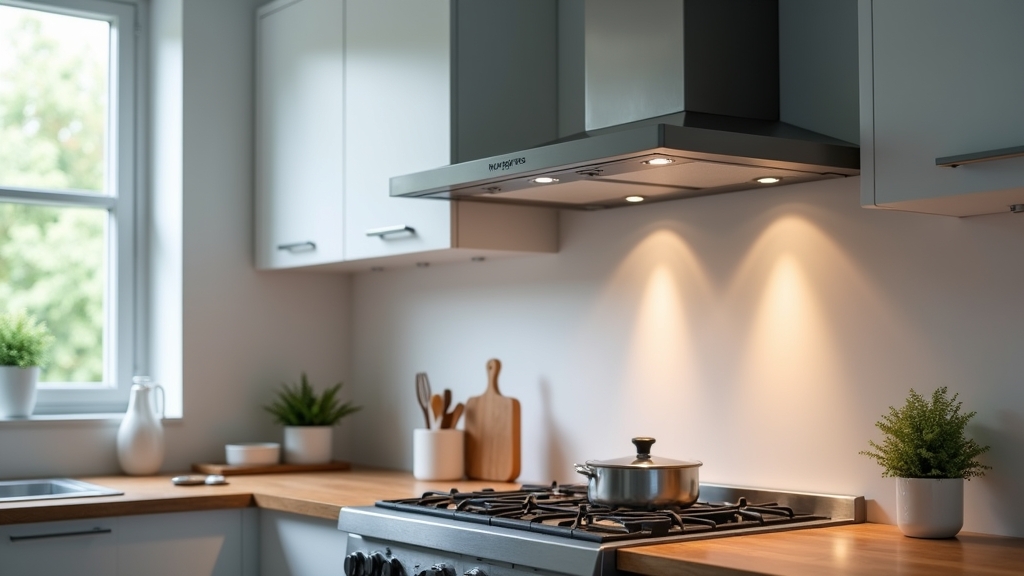
In most homes, the kitchen range hood is the unsung hero of the culinary space. It quietly pulls away steam, odors, and airborne grease, but over time, that efficiency drops as the mesh filters become saturated. From experience, many people wait until they see grease dripping back onto the stovetop before they think about maintenance. What I have found is that a clogged filter isn't just a nuisance; it’s a fire hazard and a major reason why your kitchen might smell like last night’s fish long after the meal is over.
The goal of this guide is to move beyond a simple wipe-down. We are going to look at the mechanics of breakdown—how to dissolve polymerized grease that has hardened over months—and how to restore your exhaust system to its original performance. By following these steps, you can ensure your kitchen stays fresh and your appliances last longer.
Tools and Materials Needed
One thing many people overlook is that you don't need industrial-strength chemicals to get professional results. In fact, some of the most effective degreasers are already in your pantry. To get started, gather the following:
- A large sink or a heat-resistant plastic bin (large enough to submerge the filters completely).
- Extremely hot water (boiling or near-boiling is most effective).
- Concentrated liquid dish soap with grease-cutting properties.
- Baking soda (sodium bicarbonate).
- A non-abrasive scrub brush or an old toothbrush.
- Microfiber cloths or soft sponges.
- Protective gloves to shield your hands from hot water and concentrated grime.
Preparation Steps
Before you dive into the cleaning process, take a moment to prep your workspace. A common situation is starting the soak only to realize you have no space to scrub the filters once they are wet. Clear your sink and countertop area.
Ensure Your Safety
Make sure the stove is completely cool and the exhaust fan is turned off. If your range hood has built-in lighting that has been on recently, let the bulbs cool down as well. What works best is to lay a towel down on the counter next to the sink so you have a safe, non-slip place to set the filters as you transition them between soaking and scrubbing.
Filter Removal
Most range hood filters are held in place by a small metal latch or a sliding tab. Carefully release the latch while supporting the filter with your other hand. In my experience, filters that haven't been cleaned in a long time can be quite sticky. If the filter feels stuck, do not force it with a screwdriver or metal tool, as this can bend the delicate aluminum frame. Instead, apply a small amount of heat or a gentle wiggle until the grease seal breaks.
Detailed Step-by-Step Instructions
The real issue usually is that grease doesn't just sit on the surface; it weaves into the layers of the mesh. A simple spray-and-wipe will never reach the center of the filter. Here is how to achieve a deep clean.
The Power Soak
- Fill your basin: Fill your sink or bin with the hottest water available. The heat is essential for softening the solidified oils.
- Add the cleaning agents: Pour in a generous amount of liquid dish soap and about half a cup of baking soda. Swish the water around until it is bubbly and the powder is dissolved.
- Submerge the filters: Place the greasy filters into the water. Ensure they are completely covered. If your sink isn't deep enough to cover them, you will need to flip them halfway through the process.
- Wait patiently: Let them soak for at least 20 to 30 minutes. As the water cools slightly, the grease will begin to lift and float to the surface.
Mechanical Scrubbing
After the soak, the grease should be soft and malleable. Using your scrub brush, gently work in circular motions over the mesh. Over the years, I have learned that using a metal scouring pad is a mistake; it can fray the aluminum mesh and create sharp edges. Stick to nylon bristles. Pay extra attention to the corners and the edges of the frame where grease likes to hide.
Rinsing and Drying
Rinse the filters thoroughly with hot running water. You want to ensure all the soap residue and lifted grease are washed away. If the water doesn't run through the mesh freely, repeat the soak. Once clean, shake off the excess water and let them air dry completely on a towel. Replacing wet filters can lead to odors or even mold growth inside the ductwork.
Common Mistakes: Lessons Learned
In my experience, the most frequent error is putting aluminum filters in the dishwasher. While some manufacturers claim they are dishwasher safe, the harsh detergents and high heat often cause the aluminum to oxidize, turning it a dull, spotted gray and making it more brittle over time. It’s always safer to hand wash.
Another common mistake is neglecting the interior of the hood itself. While the filters catch most of the mess, the interior housing and the fan blades also accumulate a film. Use a damp cloth dipped in your soapy solution to wipe the interior surfaces, being careful to avoid the motor and electrical components.
Tips for Best Results
To keep your kitchen running smoothly, the key thing to remember is consistency. If you cook daily, especially with oils or high heat, aim to clean your filters once a month. For those who cook less frequently, once every three months is usually sufficient.
If you find that your filters have a stubborn "yellow" tint that won't come off, it might be polymerized oil that has effectively turned into a plastic-like coating. In these cases, a second soak with a slightly higher concentration of baking soda can help break those bonds.
Troubleshooting Common Issues
The Fan is Still Loud After Cleaning
If you have cleaned the filters but the fan still makes a straining or grinding noise, the real issue usually is grease buildup on the fan blades themselves. This causes an imbalance. Carefully wipe the blades with a degreaser, ensuring you don't bend them. If the noise persists, the motor bearings may be reaching the end of their lifespan.
Lingering Odors
If the kitchen still smells like grease after a deep clean, check the charcoal filters. If your range hood recirculates air instead of venting outside, it uses charcoal filters in addition to the mesh ones. These cannot be cleaned; they must be replaced every 3 to 6 months to remain effective.